

Specialized Outpatient Rehab in Orange County for Veterans, First Responders, and Airline Professionals
Recovery from addiction extends far beyond simply putting down substances. Veterans, first responders, and airline professionals face unique challenges that traditional outpatient rehab programs often overlook.
At Asana Recovery in Costa Mesa, the Helping Heroes Program provides specialized outpatient treatment in Orange County that honors your service while addressing the trauma, stress, and substance use issues that can arise from high-pressure careers.
Drawing from over two decades of experience in addiction treatment and recovery support, we understand that lasting sobriety requires more than willpower—it demands a complete toolkit of practical skills, emotional resilience, and community connections. Our evidence-based Helping Heroes Program combines clinical excellence with peer-driven support to create a recovery path that is flexible, specialized, and deeply supportive of both individuals and their families.
Whether you’re a veteran struggling with PTSD, a first responder dealing with burnout and addiction, or an airline professional seeking support for anxiety and substance use, our outpatient rehab in Orange County offers the flexibility, expertise, and peer connection you need to heal while maintaining your professional and family commitments.
The demand for specialized outpatient treatment in Orange County has grown in recent years, particularly among veterans and first responders. According to national studies, veterans are twice as likely to struggle with PTSD and substance use disorders as civilians. First responders—including law enforcement, firefighters, and EMTs—often face repeated exposure to trauma, high-pressure decision-making, and the chronic stress of protecting others.
For airline professionals, irregular schedules, travel demands, and high-stakes responsibilities compound stress and put individuals at greater risk of anxiety, depression, and addiction. Traditional outpatient rehab models don’t always account for the specific challenges faced by these groups.
"We designed the Helping Heroes Program to provide veterans and first responders in Orange County with outpatient treatment that truly fits their lives. These individuals deserve care that acknowledges their sacrifices and helps them—and their families—heal in meaningful ways."
Mark Shandrow, CEO of Asana Recovery
The Helping Heroes Program was built from the ground up to deliver Orange County outpatient rehab services designed around service-driven professions. Our comprehensive approach addresses every aspect of recovery.
Flexible scheduling and therapy approaches that accommodate demanding professional duties while ensuring consistent, high-quality care. Our outpatient rehab in Orange County works around your shift schedules, deployments, and professional obligations.
Evidence-based interventions that directly address PTSD, service-related trauma, depression, anxiety, and substance use disorders. Our specialized approach recognizes the unique nature of trauma experienced by those who serve.
Facilitated group sessions with fellow veterans, first responders, and airline professionals who understand the pressures of these professions, creating connection and trust that accelerates healing.
Dedicated support for spouses, children, and loved ones, recognizing that trauma and addiction impact entire families. Our outpatient treatment programs in Orange County include comprehensive family therapy and education.
Incorporation of mindfulness, stress management, physical health, and resilience practices to strengthen long-term recovery beyond traditional therapy approaches.
Our clinicians, trauma specialists, and peer mentors bring both professional expertise and lived experience, ensuring you receive care rooted in respect, empathy, and clinical excellence.
The Helping Heroes Program provides specialized outpatient treatment in Orange County for those who dedicate their lives to serving others.
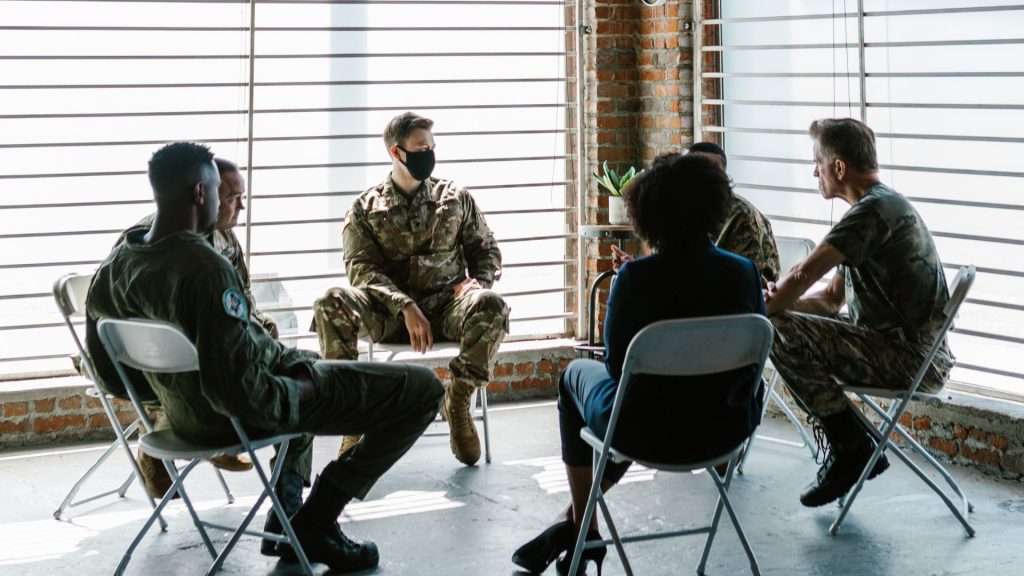
Specialized veteran outpatient rehab in Orange County addressing combat trauma, PTSD, transition challenges, and substance use disorders. We honor your service with care designed specifically for you.
Support for law enforcement, firefighters, EMTs, and paramedics dealing with repeated trauma exposure, high-stress decision-making, and the unique pressures of protecting communities.
Treatment for pilots, flight attendants, and aviation personnel managing irregular schedules, travel demands, high-stakes responsibilities, and related stress, anxiety, and addiction issues.
Comprehensive family support services recognizing that recovery involves loved ones. We provide resources and therapy to help entire families heal together.
We are committed to providing a comfortable and effective place for clients to get clean and begin their journey in recovery. Your recovery is our number ONE priority at Asana Recovery. Call us today.
Saving lives. Supporting families. Strengthening communities.
Our outpatient treatment center in Costa Mesa provides a comprehensive approach to recovery that addresses every aspect of your journey.
Outpatient treatment programs in Orange County provide a practical solution for individuals who cannot step away entirely from their professional duties, family responsibilities, or community commitments. Unlike residential treatment, the Helping Heroes Program outpatient approach allows you to:

Our Costa Mesa outpatient treatment center makes recovery accessible and sustainable for those who serve our communities and country through the specialized Helping Heroes Program.
The Helping Heroes Program operates as part of Asana Recovery’s comprehensive continuum of care, ensuring seamless integration with other treatment services as needed. This integrated approach recognizes that life skills development and recovery occur most effectively within the context of comprehensive addiction treatment that addresses all aspects of healing.
Many participants in the Helping Heroes Program simultaneously receive services through our outpatient rehab Orange County programs. This combination allows individuals to address ongoing addiction treatment needs while developing practical skills for independent living. The integration ensures that therapeutic insights translate into real-world applications while practical challenges inform ongoing treatment goals.
Our Intensive Outpatient Program (IOP) Orange County provides structured clinical treatment that complements the Helping Heroes Program for participants requiring more intensive support. The IOP format allows individuals to maintain employment or educational commitments while receiving comprehensive addiction treatment and specialized care.
The Helping Heroes Program is specifically designed for veterans, first responders, and airline professionals. Unlike traditional outpatient rehab programs, we offer trauma-informed care that addresses service-related PTSD, peer support groups with others from similar professions, flexible scheduling around shift work and professional duties, and family-focused resources. Our clinicians have specialized training in treating the unique challenges faced by those in high-stress service professions.
Treatment duration in the Helping Heroes Program varies based on individual needs, but most clients participate in our Orange County outpatient rehab program for 8-12 weeks initially. Some may need longer-term support, while others transition to continuing care services. We create personalized treatment plans that adapt to your progress and circumstances, ensuring you receive the appropriate level of care for sustainable recovery.
Yes, absolutely. One of the primary benefits of the Helping Heroes Program outpatient rehab in Orange County is the ability to maintain your employment and professional responsibilities. We offer flexible scheduling options including evening and weekend sessions to accommodate shift work, deployment schedules, and other career obligations. This allows you to receive quality addiction treatment in Costa Mesa without having to take extended time away from work.
Yes, Asana Recovery works with most major insurance providers and can help veterans navigate VA benefits for addiction treatment. Our admissions team will verify your coverage and explain your benefits before you begin the Helping Heroes Program. We’re committed to making outpatient treatment programs in Orange County accessible and affordable. Call us at (949) 763-3440 to discuss your specific insurance or benefits situation.
Our Helping Heroes Program outpatient treatment center in Costa Mesa treats all types of substance use disorders, including alcohol addiction, opioid dependence, prescription medication misuse, stimulant abuse, and polysubstance use. We also address co-occurring mental health conditions such as PTSD, depression, anxiety, and trauma-related disorders that commonly affect veterans and first responders. Treatment is individualized to address your specific situation.
Session frequency in the Helping Heroes Program depends on your treatment plan and level of care needed. Initially, most clients attend 3-5 sessions per week, including individual therapy, group counseling, and specialized treatment activities. As you progress in recovery, the frequency typically decreases. Our flexible outpatient rehab in Orange County allows us to create schedules that fit your life while ensuring you receive comprehensive care.
Yes, family participation is a core component of the Helping Heroes Program. We offer dedicated family therapy sessions, educational workshops for loved ones, and support resources for spouses and children. We recognize that addiction and trauma impact entire families, and healing is most effective when family members are engaged in the recovery process. Family involvement is encouraged but not required in the Helping Heroes Program.
Recovery doesn’t end when you complete the initial Helping Heroes Program. We provide comprehensive continuing care planning, including alumni support groups, ongoing counseling options, relapse prevention strategies, and connections to community resources. Many clients transition to lower-intensity outpatient services or participate in our aftercare programs to maintain long-term recovery. We stay connected to support your continued success after the Helping Heroes Program.
For some substances, medical detox is recommended before beginning the Helping Heroes Program outpatient treatment in Orange County. Asana Recovery offers detox services and can assess whether you need this level of care first. If detox is necessary, we’ll coordinate this phase of treatment to ensure a safe transition into our Helping Heroes Program. Our clinical team will evaluate your specific situation during the initial assessment.
Getting started with the Helping Heroes Program is simple. Call us at (949) 763-3440 for a confidential consultation. We’ll discuss your situation, answer your questions about the Helping Heroes Program, verify insurance benefits, and schedule an initial assessment. There’s no obligation, and all conversations are completely confidential. Our admissions team understands the unique concerns of veterans, first responders, and airline professionals, and we’re here to help you take the first step toward recovery through the Helping Heroes Program.
Asana Recovery is a premier addiction treatment center located in Costa Mesa, California. The center specializes in outpatient rehab, detox, and continuing care services in Orange County, offering individualized treatment that combines evidence-based clinical methods with holistic wellness practices.
Through innovative programs like the Helping Heroes Program, Asana Recovery continues to redefine what effective outpatient treatment in Orange County looks like—compassionate, specialized, and designed to foster long-term recovery for those who have dedicated their lives to serving others.
You’ve spent your career serving others. Now it’s time to get the specialized care you deserve. Our Helping Heroes Program offers outpatient rehab in Orange County designed specifically for veterans, first responders, and airline professionals.



You could save up to 100% of your treatment using your Insurance.
By submitting this form, I agree to Asana Recovery's Privacy Policy and consent to receive calls, texts, and emails about insurance benefits, treatment options, admissions, and related services. I authorize Asana Recovery to use and disclose my PHI for these communications, including by text and email, and understand these methods may not be fully secure. Msg/data rates may apply. Msg frequency may vary. Consent is not required for treatment. Reply STOP to opt out.
Free, confidential, and no obligation. Get your insurance verified by our admissions team.
Asana Recovery
We firmly believe that the internet should be available and accessible to anyone, and are committed to providing a website that is accessible to the widest possible audience, regardless of circumstance and ability.
To fulfill this, we aim to adhere as strictly as possible to the World Wide Web Consortium’s (W3C) Web Content Accessibility Guidelines 2.1 (WCAG 2.1) at the AA level. These guidelines explain how to make web content accessible to people with a wide array of disabilities. Complying with those guidelines helps us ensure that the website is accessible to all people: blind people, people with motor impairments, visual impairment, cognitive disabilities, and more.
This website utilizes various technologies that are meant to make it as accessible as possible at all times. We utilize an accessibility interface that allows persons with specific disabilities to adjust the website’s UI (user interface) and design it to their personal needs.
Additionally, the website utilizes an AI-based application that runs in the background and optimizes its accessibility level constantly. This application remediates the website’s HTML, adapts Its functionality and behavior for screen-readers used by the blind users, and for keyboard functions used by individuals with motor impairments.
If you’ve found a malfunction or have ideas for improvement, we’ll be happy to hear from you. You can reach out to the website’s operators by using the following email
Our website implements the ARIA attributes (Accessible Rich Internet Applications) technique, alongside various different behavioral changes, to ensure blind users visiting with screen-readers are able to read, comprehend, and enjoy the website’s functions. As soon as a user with a screen-reader enters your site, they immediately receive a prompt to enter the Screen-Reader Profile so they can browse and operate your site effectively. Here’s how our website covers some of the most important screen-reader requirements, alongside console screenshots of code examples:
Screen-reader optimization: we run a background process that learns the website’s components from top to bottom, to ensure ongoing compliance even when updating the website. In this process, we provide screen-readers with meaningful data using the ARIA set of attributes. For example, we provide accurate form labels; descriptions for actionable icons (social media icons, search icons, cart icons, etc.); validation guidance for form inputs; element roles such as buttons, menus, modal dialogues (popups), and others. Additionally, the background process scans all the website’s images and provides an accurate and meaningful image-object-recognition-based description as an ALT (alternate text) tag for images that are not described. It will also extract texts that are embedded within the image, using an OCR (optical character recognition) technology. To turn on screen-reader adjustments at any time, users need only to press the Alt+1 keyboard combination. Screen-reader users also get automatic announcements to turn the Screen-reader mode on as soon as they enter the website.
These adjustments are compatible with all popular screen readers, including JAWS and NVDA.
Keyboard navigation optimization: The background process also adjusts the website’s HTML, and adds various behaviors using JavaScript code to make the website operable by the keyboard. This includes the ability to navigate the website using the Tab and Shift+Tab keys, operate dropdowns with the arrow keys, close them with Esc, trigger buttons and links using the Enter key, navigate between radio and checkbox elements using the arrow keys, and fill them in with the Spacebar or Enter key.Additionally, keyboard users will find quick-navigation and content-skip menus, available at any time by clicking Alt+1, or as the first elements of the site while navigating with the keyboard. The background process also handles triggered popups by moving the keyboard focus towards them as soon as they appear, and not allow the focus drift outside it.
Users can also use shortcuts such as “M” (menus), “H” (headings), “F” (forms), “B” (buttons), and “G” (graphics) to jump to specific elements.
We aim to support the widest array of browsers and assistive technologies as possible, so our users can choose the best fitting tools for them, with as few limitations as possible. Therefore, we have worked very hard to be able to support all major systems that comprise over 95% of the user market share including Google Chrome, Mozilla Firefox, Apple Safari, Opera and Microsoft Edge, JAWS and NVDA (screen readers).
Despite our very best efforts to allow anybody to adjust the website to their needs. There may still be pages or sections that are not fully accessible, are in the process of becoming accessible, or are lacking an adequate technological solution to make them accessible. Still, we are continually improving our accessibility, adding, updating and improving its options and features, and developing and adopting new technologies. All this is meant to reach the optimal level of accessibility, following technological advancements. For any assistance, please reach out to