
Dialectical Behavior Therapy (DBT) is a core part of treatment at Asana Recovery. This evidence-based therapy helps you manage intense emotions, tolerate distress, and build healthier relationships — skills that are essential for recovery from addiction and conditions like depression, anxiety, and PTSD. Delivered by our licensed clinical team at our Fountain Valley outpatient center, DBT is integrated across our outpatient programs (PHP, IOP, Virtual IOP).

DBT is an evidence-based therapy designed to help individuals manage intense emotions and improve coping mechanisms.
Originally developed by Dr. Marsha Linehan to treat borderline personality disorder, DBT has proven effective for addiction recovery and co-occurring mental health conditions including anxiety, depression, and PTSD.
At Asana Recovery, DBT centers on four core skill areas:
DBT sessions at Asana Recovery are led by licensed therapists who personalize treatment to each individual’s needs. Through a combination of individual therapy, group skills training, and skills coaching, you receive comprehensive support to apply DBT principles in everyday life.
Our DBT program includes:
Call for Help Today:
DBT strengthens addiction treatment by building four essential skill sets: mindfulness, emotion regulation, distress tolerance, and interpersonal effectiveness. Together, these help you manage triggers, cope with stress without substances, regulate difficult emotions, and build healthier relationships. For clients managing both a substance use disorder and a mental health condition, DBT is a core part of our integrated dual diagnosis approach — reducing relapse risk and supporting lasting, sustainable change.

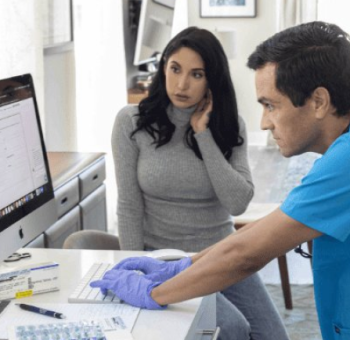
If you are struggling with drugs or alcohol right now, that addiction is life-threatening. Detox helps you get clean and safe. You can do this two ways: a social approach, where you quit and move through withdrawal, or a medication assisted treatment program. Our team coordinates medically supervised detox through trusted partner facilities. We pick the right approach based on the substance, how much you use, and your health. Detox happens at a partner facility, where you are monitored and cared for as you move through withdrawal safely. Then you move straight into our outpatient programs.
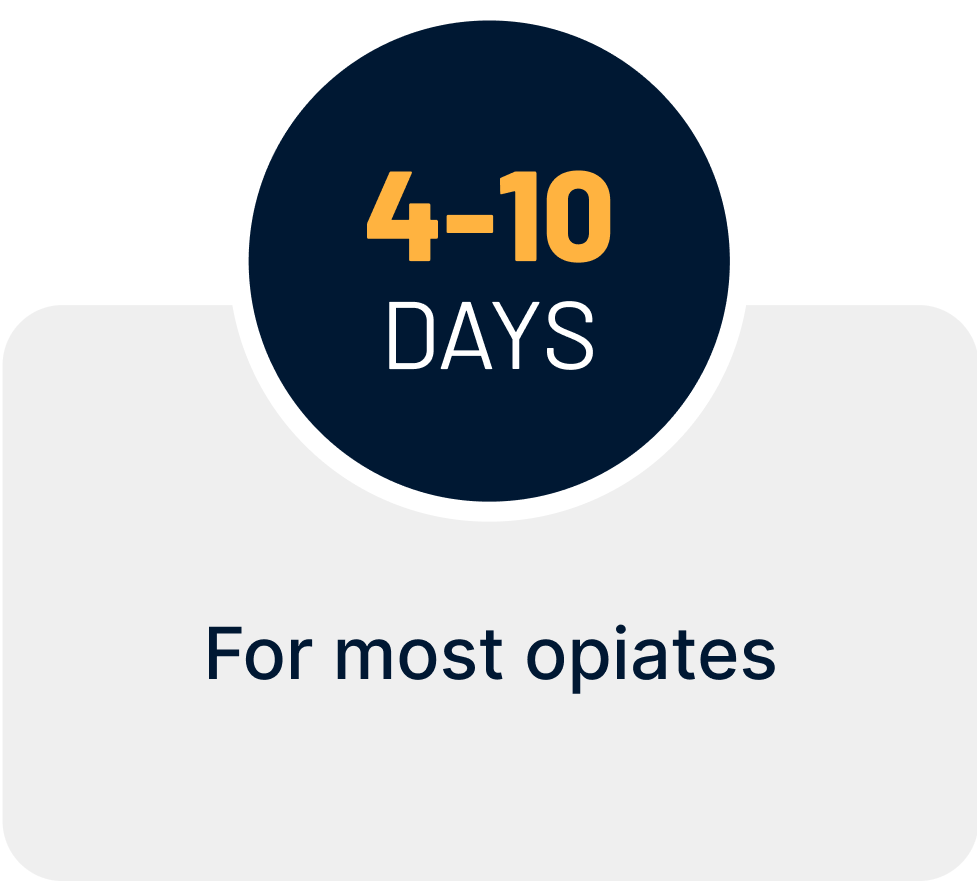
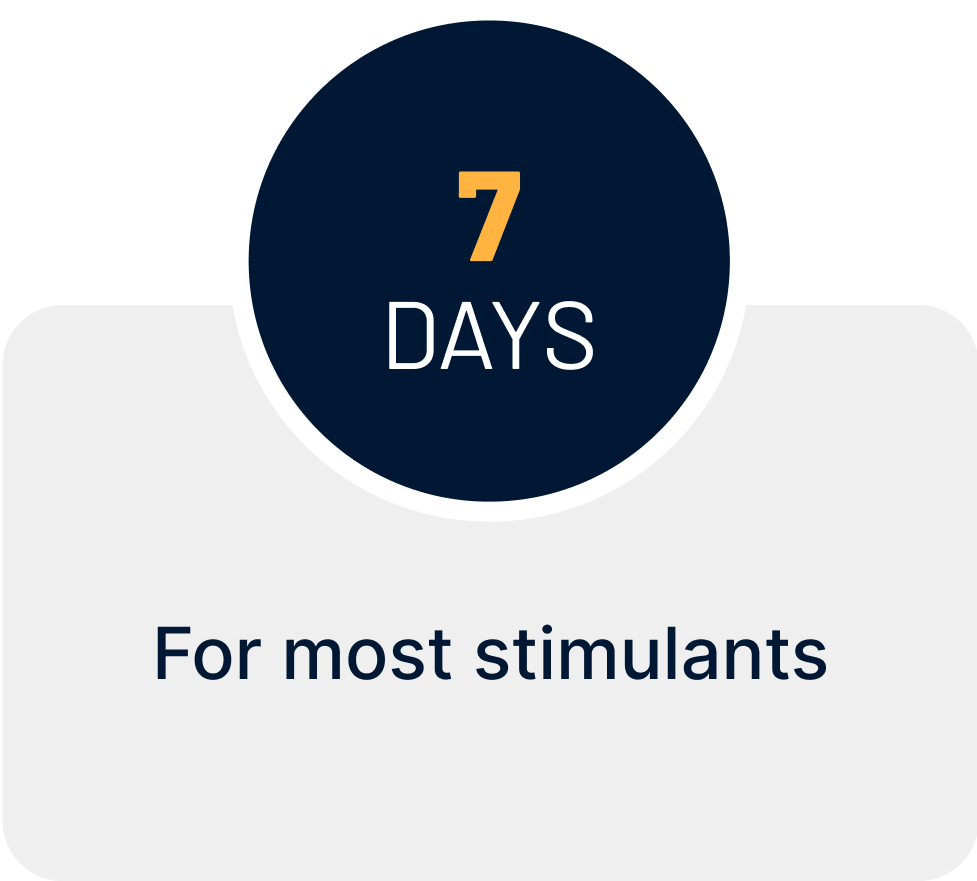
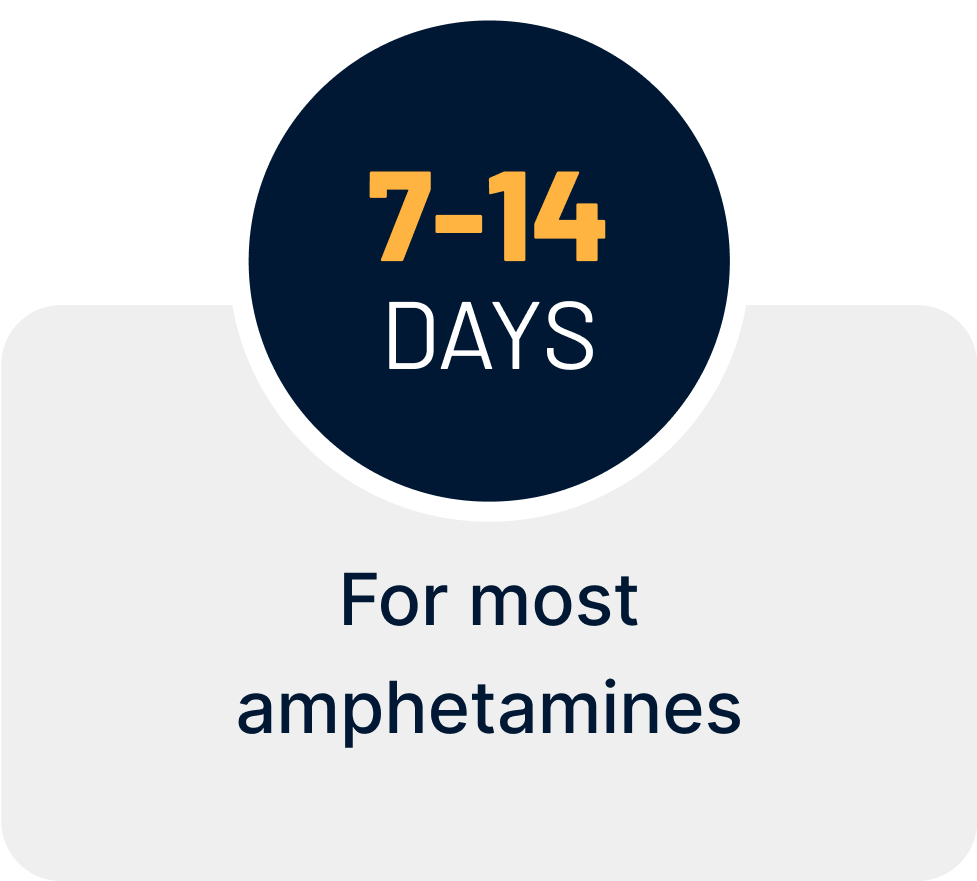
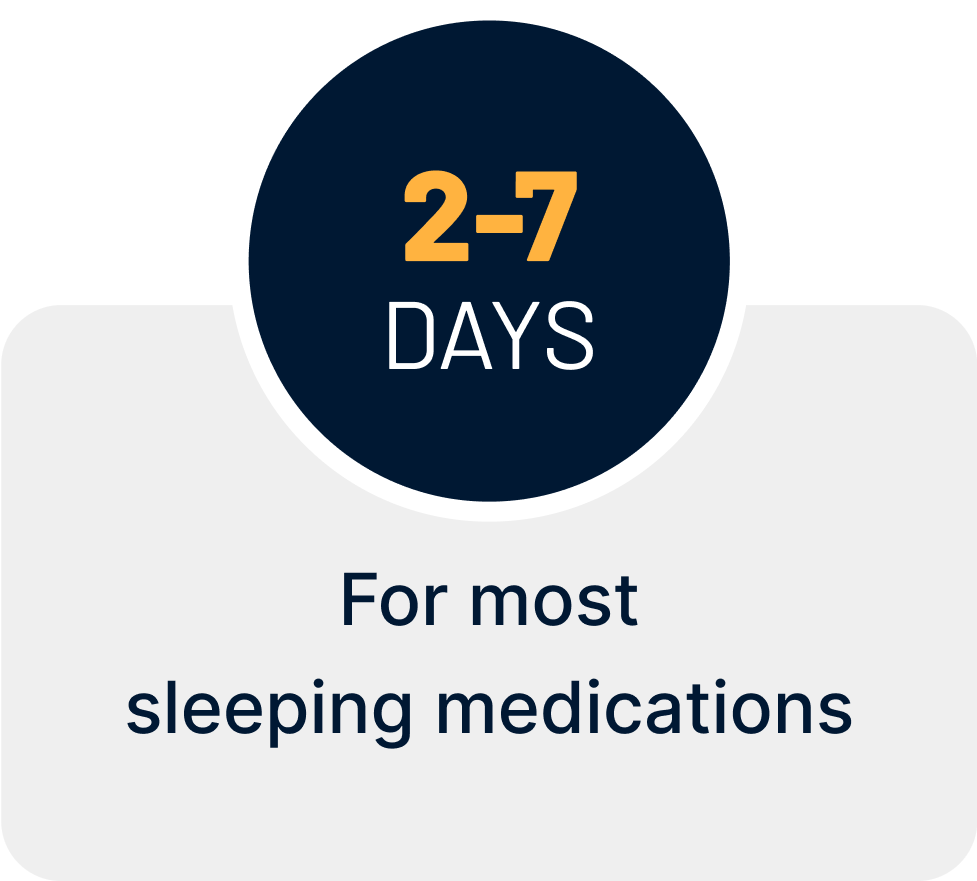
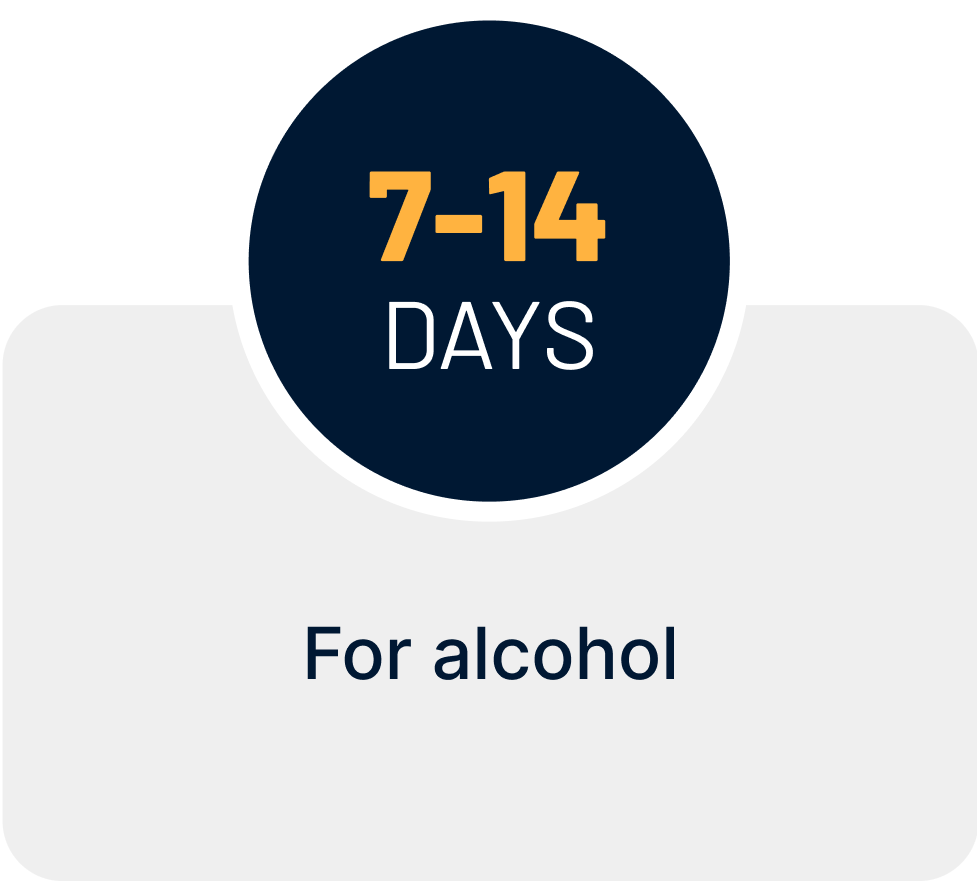
In addition, if you’re addicted to a benzodiazepine, you may be asked to go onto a tapering schedule. This can significantly extend the detox period, because you will sometimes spend several weeks on detox instead of the standard 7-14 days.
Some clients need a higher level of care before outpatient treatment. For them, our team coordinates residential placement through trusted partners in Orange County. These programs offer small, structured settings with personalized care. They treat addiction and mental health together, using proven therapies plus holistic healing. Once residential care is done, clients move smoothly into our outpatient programs. There, our team uses CBT, DBT, group therapy, and family therapy. We add holistic options like art therapy, yoga, and mindfulness. Our whole-person approach helps you build recovery skills while getting close support from our team.
Research shows that about half of people with substance use disorders also have a mental health condition. This high overlap calls for an integrated approach, since each condition affects the other. When mental health goes untreated, substance abuse often gets worse. And substance use can worsen mental health. Many people start using to self-medicate depression, anxiety, or trauma. Yet studies show only 8.3 percent of adults with both conditions get integrated care. The best approach is to treat both at once, with the same clinical team. This leads to better outcomes, fewer relapses, and stronger long-term recovery.

Taking care of your physical health and nutrition during treatment is key to recovery. Poor nutrition and health problems can lead people to drop out and raise relapse risk. Better physical health does the opposite. It boosts motivation and quality of life during treatment.
Substance use often leads to poor nutrition, damaged organs, weak immunity, and bad eating habits. These problems harm both body and mind. They affect vital organs and the nervous system. Different substances do different damage. Opioids affect digestion. Stimulants reduce appetite. Alcohol can cause severe nutrient loss.
Treatment at Asana Recovery includes a nutrition check, balanced meals, and health monitoring. This supports healing and helps you stay in recovery for the long term.

Taking care of your physical health and nutrition during treatment is key to recovery. Poor nutrition and health problems can lead people to drop out and raise relapse risk. Better physical health does the opposite. It boosts motivation and quality of life during treatment.
Substance use often leads to poor nutrition, damaged organs, weak immunity, and bad eating habits. These problems harm both body and mind. They affect vital organs and the nervous system. Different substances do different damage. Opioids affect digestion. Stimulants reduce appetite. Alcohol can cause severe nutrient loss.
Treatment at Asana Recovery includes a nutrition check, balanced meals, and health monitoring. This supports healing and helps you stay in recovery for the long term.
A mental health condition usually means you need long-term care to stay in recovery. We believe you should always have someone to talk to when things get hard. You will have bad days. You may be more open to relapse. So you need ongoing mental health care and counseling. We help with all of this, including support groups in your area. Every part of dual diagnosis treatment must fit your specific needs, both when you start and as you progress. We take that seriously.


A Partial Hospitalization Program (PHP) is an intensive outpatient option. It bridges the gap between inpatient and standard outpatient care. PHP usually runs 5 to 7 days a week, with sessions of 4 to 6 hours a day. That is at least 20 hours of treatment each week. During PHP, you get individual therapy, group therapy, medication management, and psychiatric care, while going home each evening. This lets you keep up with daily life while you get strong support. PHP fits people who finished inpatient care, need more than standard outpatient, or have a stable home but need intensive care.
Intensive Outpatient Program (IOP) is a structured treatment option. It bridges the gap between inpatient and standard outpatient care. IOP usually offers 9 to 19 hours of treatment a week. It lets you keep up with work, school, or family. You get care through several methods, including individual counseling, group therapy, family therapy, and education sessions. IOP treats substance use, mental health, or both, for people who do not need 24-hour care or medical detox.

Start your recovery journey with us at Asana Recovery, where we prioritize your well-being and provide a welcoming environment for you to heal.
By submitting this form, I agree to Asana Recovery's Privacy Policy and consent to receive calls, texts, and emails about insurance benefits, treatment options, admissions, and related services. I authorize Asana Recovery to use and disclose my PHI for these communications, including by text and email, and understand these methods may not be fully secure. Msg/data rates may apply. Msg frequency may vary. Consent is not required for treatment. Reply STOP to opt out.
Dialectical Behavior Therapy (DBT) is an evidence-based form of psychotherapy developed by Dr. Marsha Linehan in the 1980s. It grew out of Cognitive Behavioral Therapy (CBT) to help people who experience emotions very intensely and struggle with self-destructive behaviors — including substance use.
The word “dialectical” refers to balancing two things that seem opposite: acceptance and change. DBT helps you accept yourself and your current circumstances while actively working toward a healthier life. This balance is especially powerful in addiction recovery, where guilt and shame often coexist with the genuine desire to change.
DBT builds skills in four core areas — mindfulness, distress tolerance, emotion regulation, and interpersonal effectiveness — through a combination of individual therapy and group skills training. Originally created for borderline personality disorder, DBT is now widely used for substance use disorders, depression, anxiety, PTSD, and co-occurring conditions.
Addiction is often driven by intense emotions and the urge to escape them. DBT works by giving you concrete, practical skills to manage those emotions and the situations that trigger substance use — so you can respond differently.
A key DBT concept for addiction is “dialectical abstinence” — a full commitment to sobriety paired with a compassionate, non-judgmental response if relapse occurs. Setbacks are treated as problems to solve and learn from, not as failures. This approach reduces the shame that so often fuels the cycle of relapse, helping you recommit and keep moving forward.
Through mindfulness and distress tolerance skills, you learn to recognize cravings and high-risk situations as they arise — and to ride them out without acting on them. Instead of reacting automatically, you build a pause between trigger and response where healthier choices become possible.
Addiction damages relationships, and unhealthy relationships can fuel substance use. DBT’s interpersonal effectiveness skills teach you to communicate needs, set boundaries, and navigate conflict — including situations where someone pressures you to use. Rebuilding a healthy support network is a core part of lasting recovery.
At Asana Recovery, DBT is delivered through four integrated components that work together:

DBT is one of the most effective evidence-based therapies for addiction, particularly for people whose substance use is tied to intense emotions. Its benefits include:
DBT is especially valuable for dual diagnosis — when a substance use disorder occurs alongside a mental health condition. Because DBT was built to address intense emotions and self-destructive behavior, it works well across a range of co-occurring conditions:
At Asana Recovery, co-occurring conditions are treated concurrently by the same clinical team — the approach research consistently shows produces the best outcomes.
DBT at Asana Recovery is delivered through our outpatient programs by licensed clinicians, and integrated with the rest of your treatment plan:
Your DBT treatment begins with a clinical assessment to identify any co-occurring conditions and tailor the program to your needs. You’ll work through individual therapy and group skills training, building the four core DBT skill sets and practicing them in real situations.
DBT works alongside our other evidence-based and holistic offerings — including CBT, group therapy, family therapy, and mindfulness practices — so treatment addresses the full picture, not just the substance use.
DBT’s focus on emotion regulation and distress tolerance makes it especially effective for trauma-related conditions, including military-related PTSD. Asana Recovery offers specialized support for veterans, first responders, and other populations who benefit from a trauma-informed approach.
If you or a loved one is struggling with addiction, a mental health condition, or both, DBT can give you the skills to build a life worth living. Our licensed clinical team delivers DBT through outpatient programs (PHP, IOP, Virtual IOP) at our Fountain Valley center, serving all of Orange County. Call (949) 763-3440 to speak with our admissions team, or verify your insurance online — no cost, no obligation.

DBT gives you practical skills to navigate the intense emotions that often drive addiction. Through emotion regulation, distress tolerance, and mindfulness, you learn to identify triggers, pause before reacting, and choose healthier responses. Instead of using substances to escape difficult feelings, you build the ability to sit with them and move through them — a foundation for lasting recovery.
DBT grew out of Cognitive Behavioral Therapy (CBT) and shares its focus on changing unhelpful thoughts and behaviors. The key difference is DBT’s emphasis on acceptance alongside change, and its dedicated skills in distress tolerance and interpersonal effectiveness. CBT is often the right fit for depression and anxiety; DBT is especially effective for intense emotions, self-destructive behavior, and co-occurring conditions. At Asana Recovery, many clients benefit from both.
DBT mindfulness centers on observing your thoughts and emotions without judgment, describing your experience to build self-awareness, and focusing fully on one thing at a time. These practices help you interrupt automatic reactions, reduce cravings, and stay grounded during high-risk moments — making mindfulness one of the most important skills for recovery.
Yes. DBT is highly effective for dual diagnosis, including depression, anxiety, PTSD, and borderline personality disorder occurring alongside addiction. Its integrated approach addresses the emotional dysregulation that often underlies both conditions. At Asana Recovery, co-occurring conditions are treated concurrently by the same clinical team.
DBT-S (Dialectical Behavior Therapy for Substance Use Disorders) is a version of DBT adapted specifically for addiction. It emphasizes dialectical abstinence — full commitment to sobriety paired with a compassionate response to setbacks — along with relapse-prevention strategies tailored to substance use. It combines traditional DBT skills with addiction-specific tools.
Yes. DBT skills training and individual therapy can be delivered effectively via secure video. Through our Virtual IOP program, you can access DBT and other evidence-based therapies remotely — a strong option if work, school, family, or transportation make in-person attendance difficult.
DBT is typically a longer-term, skills-based therapy, and the timeline depends on your individual situation and level of care. At Asana Recovery, DBT is integrated into your overall treatment plan, which our clinical team designs around your specific goals and progress. The skills you build are designed to last well beyond formal treatment.

Free, confidential, and no obligation. Get your insurance verified by our admissions team.
Asana Recovery
We firmly believe that the internet should be available and accessible to anyone, and are committed to providing a website that is accessible to the widest possible audience, regardless of circumstance and ability.
To fulfill this, we aim to adhere as strictly as possible to the World Wide Web Consortium’s (W3C) Web Content Accessibility Guidelines 2.1 (WCAG 2.1) at the AA level. These guidelines explain how to make web content accessible to people with a wide array of disabilities. Complying with those guidelines helps us ensure that the website is accessible to all people: blind people, people with motor impairments, visual impairment, cognitive disabilities, and more.
This website utilizes various technologies that are meant to make it as accessible as possible at all times. We utilize an accessibility interface that allows persons with specific disabilities to adjust the website’s UI (user interface) and design it to their personal needs.
Additionally, the website utilizes an AI-based application that runs in the background and optimizes its accessibility level constantly. This application remediates the website’s HTML, adapts Its functionality and behavior for screen-readers used by the blind users, and for keyboard functions used by individuals with motor impairments.
If you’ve found a malfunction or have ideas for improvement, we’ll be happy to hear from you. You can reach out to the website’s operators by using the following email
Our website implements the ARIA attributes (Accessible Rich Internet Applications) technique, alongside various different behavioral changes, to ensure blind users visiting with screen-readers are able to read, comprehend, and enjoy the website’s functions. As soon as a user with a screen-reader enters your site, they immediately receive a prompt to enter the Screen-Reader Profile so they can browse and operate your site effectively. Here’s how our website covers some of the most important screen-reader requirements, alongside console screenshots of code examples:
Screen-reader optimization: we run a background process that learns the website’s components from top to bottom, to ensure ongoing compliance even when updating the website. In this process, we provide screen-readers with meaningful data using the ARIA set of attributes. For example, we provide accurate form labels; descriptions for actionable icons (social media icons, search icons, cart icons, etc.); validation guidance for form inputs; element roles such as buttons, menus, modal dialogues (popups), and others. Additionally, the background process scans all the website’s images and provides an accurate and meaningful image-object-recognition-based description as an ALT (alternate text) tag for images that are not described. It will also extract texts that are embedded within the image, using an OCR (optical character recognition) technology. To turn on screen-reader adjustments at any time, users need only to press the Alt+1 keyboard combination. Screen-reader users also get automatic announcements to turn the Screen-reader mode on as soon as they enter the website.
These adjustments are compatible with all popular screen readers, including JAWS and NVDA.
Keyboard navigation optimization: The background process also adjusts the website’s HTML, and adds various behaviors using JavaScript code to make the website operable by the keyboard. This includes the ability to navigate the website using the Tab and Shift+Tab keys, operate dropdowns with the arrow keys, close them with Esc, trigger buttons and links using the Enter key, navigate between radio and checkbox elements using the arrow keys, and fill them in with the Spacebar or Enter key.Additionally, keyboard users will find quick-navigation and content-skip menus, available at any time by clicking Alt+1, or as the first elements of the site while navigating with the keyboard. The background process also handles triggered popups by moving the keyboard focus towards them as soon as they appear, and not allow the focus drift outside it.
Users can also use shortcuts such as “M” (menus), “H” (headings), “F” (forms), “B” (buttons), and “G” (graphics) to jump to specific elements.
We aim to support the widest array of browsers and assistive technologies as possible, so our users can choose the best fitting tools for them, with as few limitations as possible. Therefore, we have worked very hard to be able to support all major systems that comprise over 95% of the user market share including Google Chrome, Mozilla Firefox, Apple Safari, Opera and Microsoft Edge, JAWS and NVDA (screen readers).
Despite our very best efforts to allow anybody to adjust the website to their needs. There may still be pages or sections that are not fully accessible, are in the process of becoming accessible, or are lacking an adequate technological solution to make them accessible. Still, we are continually improving our accessibility, adding, updating and improving its options and features, and developing and adopting new technologies. All this is meant to reach the optimal level of accessibility, following technological advancements. For any assistance, please reach out to