

Individual counseling is a core component of every outpatient program at Asana Recovery — when clients enroll in our Outpatient (OP), Intensive Outpatient (IOP), Partial Hospitalization (PHP), or Virtual IOP for California Residents, they receive consistent one-on-one therapy with a licensed clinician alongside group programming, psychiatric medication management, and family or couples therapy when relevant. Our individual counseling approach is led clinically by Sheida Shavalian, LMFT, our Clinical Director and a Licensed Marriage and Family Therapist with over a decade of experience in mental health and substance use treatment.
Clients work with the same licensed therapist throughout their treatment, building the therapeutic relationship and trust that research shows are foundational to lasting recovery. Individual counseling at Asana Recovery is delivered in person at our Fountain Valley outpatient center or via secure telehealth through Virtual IOP for California Residents. Named one of Newsweek’s Best Addiction Treatment Centers in California for four consecutive years (2022-2025).

Research from the American Psychological Association (APA) consistently demonstrates that evidence-based individual psychotherapy — including Cognitive Behavioral Therapy (CBT), comprehensive Dialectical Behavior Therapy (DBT), and trauma-focused approaches — produces meaningful and lasting improvements for clients with mental health conditions, substance use disorders, and co-occurring conditions.
For clients with substance use disorders, individual counseling significantly reduces relapse rates and enhances long-term recovery outcomes — especially when delivered as part of an integrated outpatient program combining therapy, group support, and psychiatric care. Research from the Substance Abuse and Mental Health Services Administration (SAMHSA) shows that approximately half of people with substance use disorders also have co-occurring mental health conditions, making integrated individual counseling that addresses both essential rather than optional.
Engaging in individual counseling empowers clients to gain deeper insights into their behaviors and thought patterns, develop personalized coping strategies for stress and emotional triggers, and build the resilience that supports lasting recovery and wellness.
In immediate crisis or experiencing thoughts of suicide?
Call or text 988 (Suicide & Crisis Lifeline) — available 24/7, free, confidential.
Call 911 if there is an immediate medical emergency.
At Asana Recovery, individual counseling sessions are integrated into your overall outpatient treatment plan and designed to:
Call for Help Today:

If you are struggling with drugs or alcohol right now, that addiction is life-threatening. Detox helps you get clean and safe. You can do this two ways: a social approach, where you quit and move through withdrawal, or a medication assisted treatment program. Our team coordinates medically supervised detox through trusted partner facilities. We pick the right approach based on the substance, how much you use, and your health. Detox happens at a partner facility, where you are monitored and cared for as you move through withdrawal safely. Then you move straight into our outpatient programs.
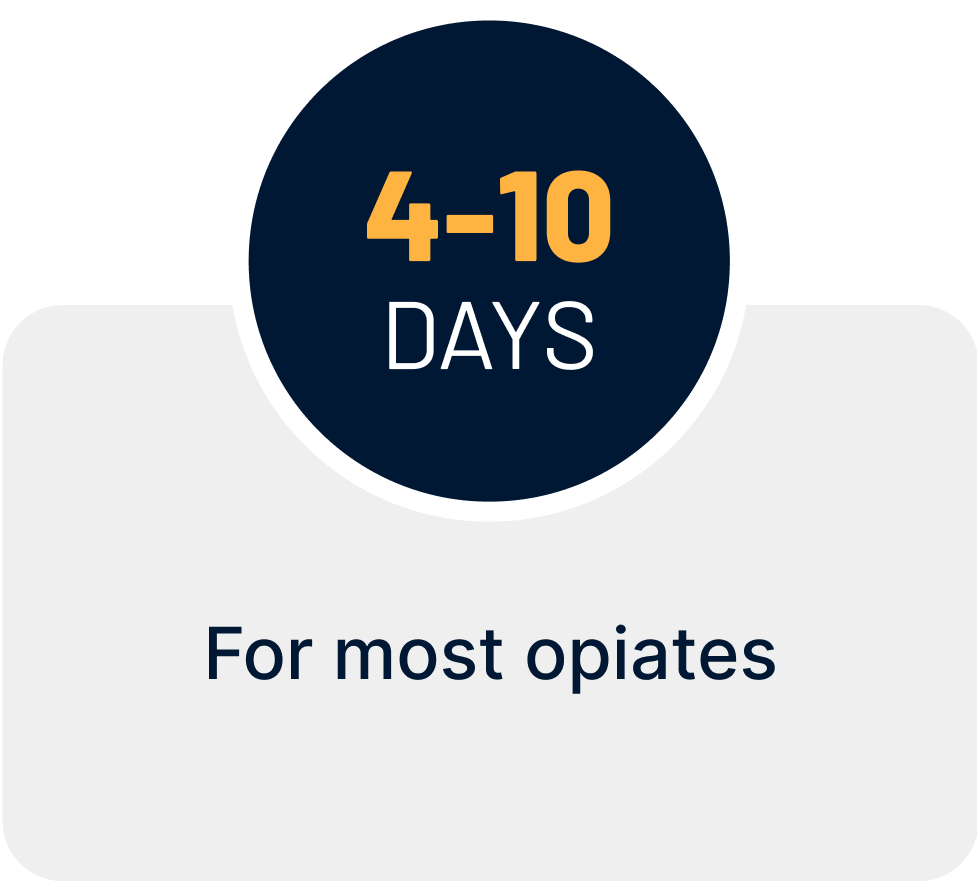
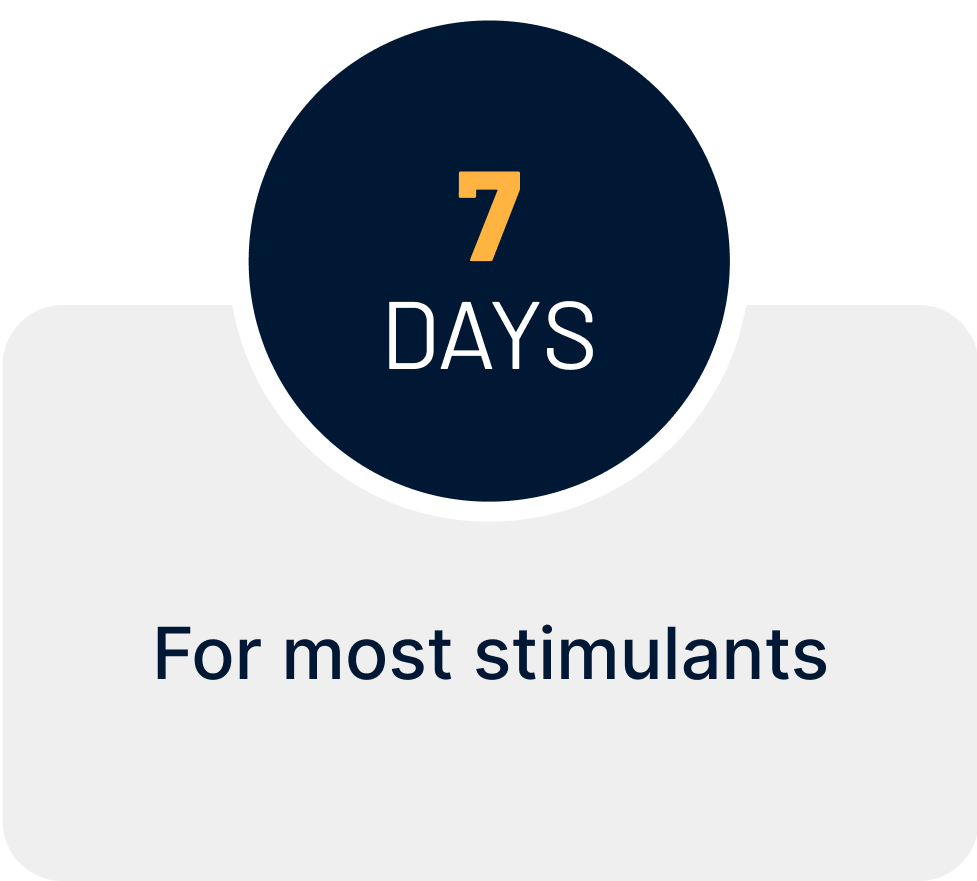
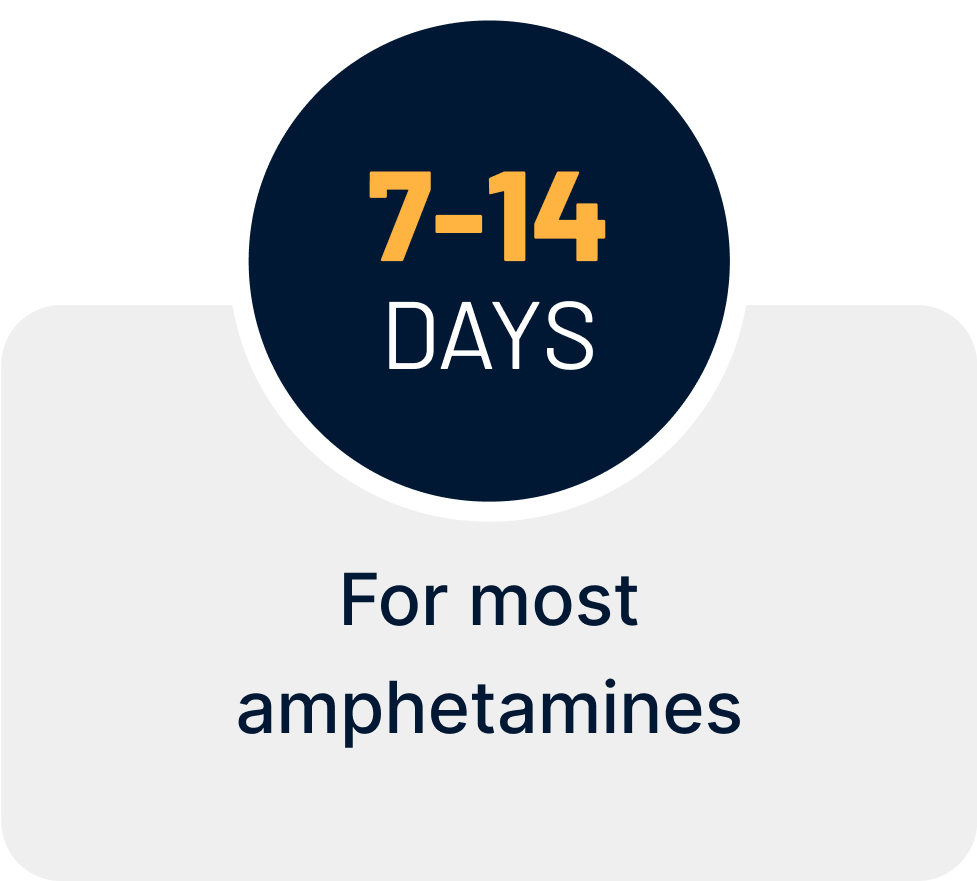
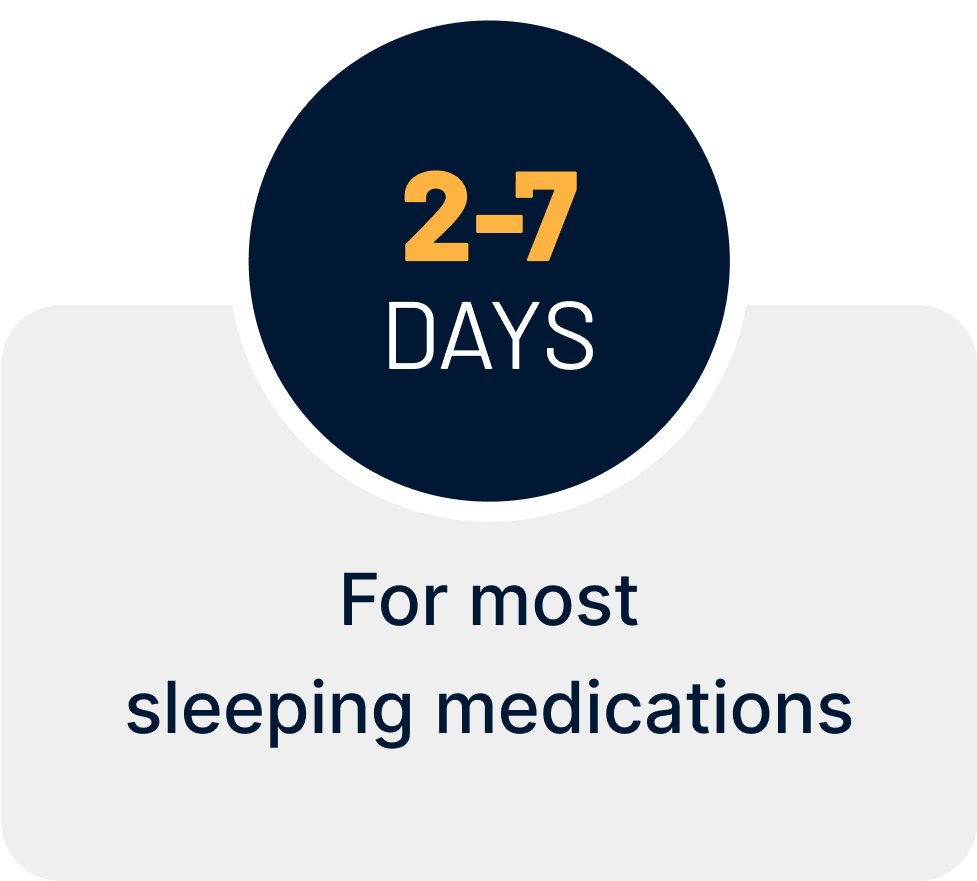
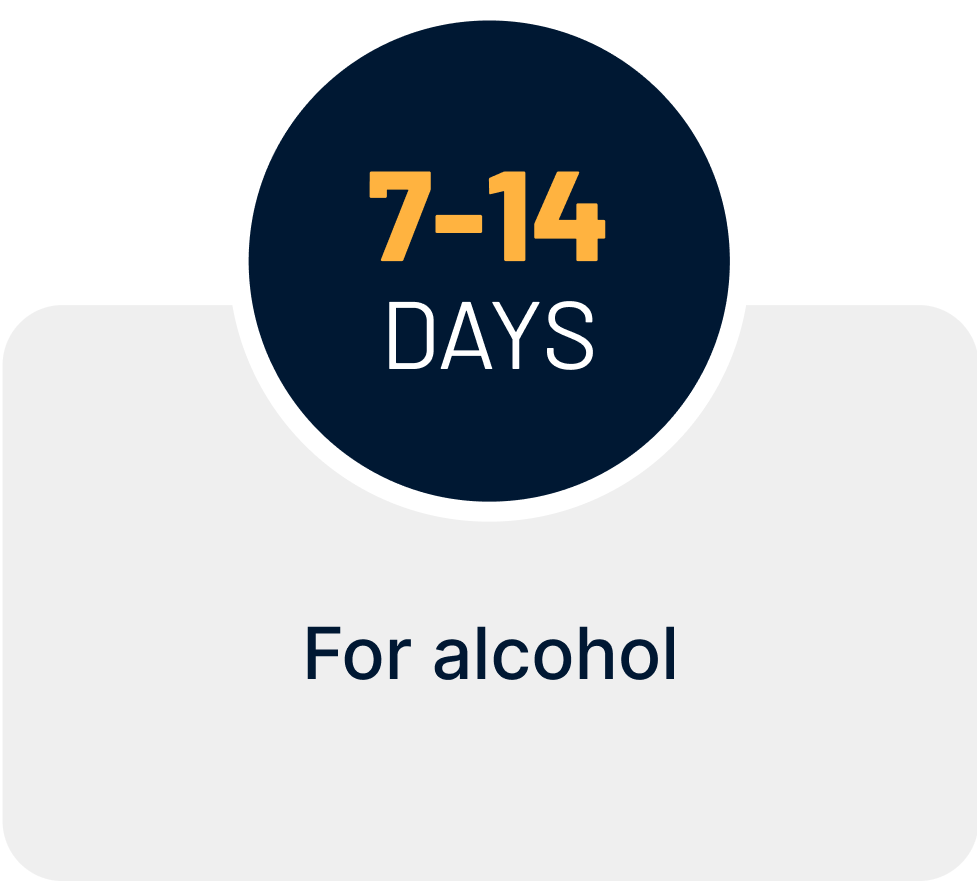
In addition, if you’re addicted to a benzodiazepine, you may be asked to go onto a tapering schedule. This can significantly extend the detox period, because you will sometimes spend several weeks on detox instead of the standard 7-14 days.
Some clients need a higher level of care before outpatient treatment. For them, our team coordinates residential placement through trusted partners in Orange County. These programs offer small, structured settings with personalized care. They treat addiction and mental health together, using proven therapies plus holistic healing. Once residential care is done, clients move smoothly into our outpatient programs. There, our team uses CBT, DBT, group therapy, and family therapy. We add holistic options like art therapy, yoga, and mindfulness. Our whole-person approach helps you build recovery skills while getting close support from our team.
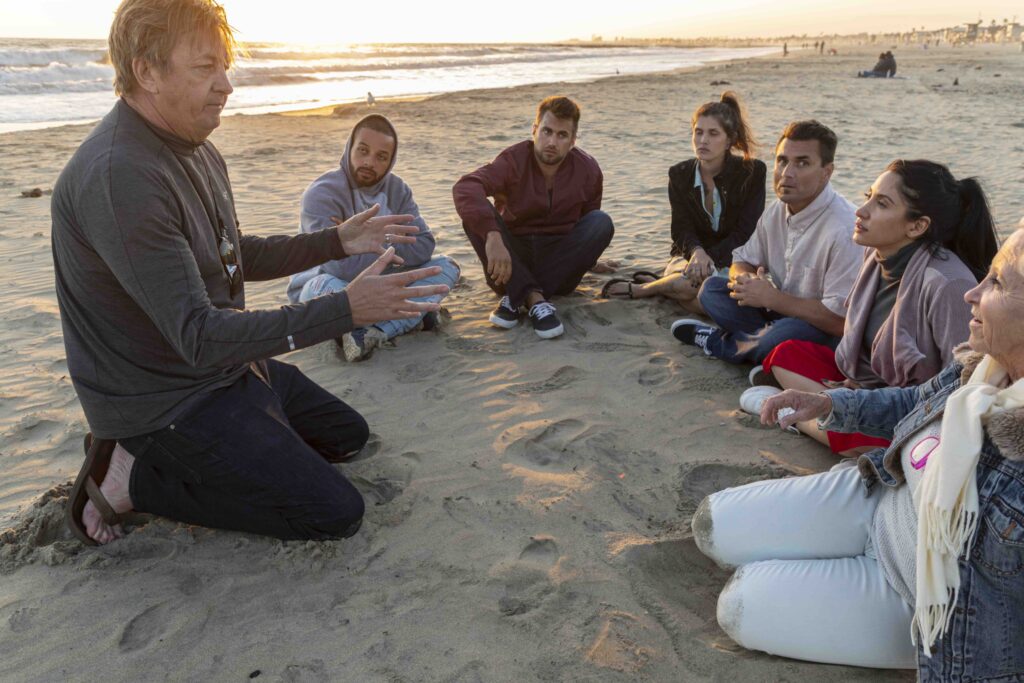
Research shows that about half of people with substance use disorders also have a mental health condition. This high overlap calls for an integrated approach, since each condition affects the other. When mental health goes untreated, substance abuse often gets worse. And substance use can worsen mental health. Many people start using to self-medicate depression, anxiety, or trauma. Yet studies show only 8.3 percent of adults with both conditions get integrated care. The best approach is to treat both at once, with the same clinical team. This leads to better outcomes, fewer relapses, and stronger long-term recovery.

Taking care of your physical health and nutrition during treatment is key to recovery. Poor nutrition and health problems can lead people to drop out and raise relapse risk. Better physical health does the opposite. It boosts motivation and quality of life during treatment.
Substance use often leads to poor nutrition, damaged organs, weak immunity, and bad eating habits. These problems harm both body and mind. They affect vital organs and the nervous system. Different substances do different damage. Opioids affect digestion. Stimulants reduce appetite. Alcohol can cause severe nutrient loss.
Treatment at Asana Recovery includes a nutrition check, balanced meals, and health monitoring. This supports healing and helps you stay in recovery for the long term.

Taking care of your physical health and nutrition during treatment is key to recovery. Poor nutrition and health problems can lead people to drop out and raise relapse risk. Better physical health does the opposite. It boosts motivation and quality of life during treatment.
Substance use often leads to poor nutrition, damaged organs, weak immunity, and bad eating habits. These problems harm both body and mind. They affect vital organs and the nervous system. Different substances do different damage. Opioids affect digestion. Stimulants reduce appetite. Alcohol can cause severe nutrient loss.
Treatment at Asana Recovery includes a nutrition check, balanced meals, and health monitoring. This supports healing and helps you stay in recovery for the long term.
A mental health condition usually means you need long-term care to stay in recovery. We believe you should always have someone to talk to when things get hard. You will have bad days. You may be more open to relapse. So you need ongoing mental health care and counseling. We help with all of this, including support groups in your area. Every part of dual diagnosis treatment must fit your specific needs, both when you start and as you progress. We take that seriously.


A Partial Hospitalization Program (PHP) is an intensive outpatient option. It bridges the gap between inpatient and standard outpatient care. PHP usually runs 5 to 7 days a week, with sessions of 4 to 6 hours a day. That is at least 20 hours of treatment each week. During PHP, you get individual therapy, group therapy, medication management, and psychiatric care, while going home each evening. This lets you keep up with daily life while you get strong support. PHP fits people who finished inpatient care, need more than standard outpatient, or have a stable home but need intensive care.
Intensive Outpatient Program (IOP) is a structured treatment option. It bridges the gap between inpatient and standard outpatient care. IOP usually offers 9 to 19 hours of treatment a week. It lets you keep up with work, school, or family. You get care through several methods, including individual counseling, group therapy, family therapy, and education sessions. IOP treats substance use, mental health, or both, for people who do not need 24-hour care or medical detox.

Start your recovery journey with us at Asana Recovery, where we prioritize your well-being and provide a welcoming environment for you to heal.
By submitting this form, I agree to Asana Recovery's Privacy Policy and consent to receive calls, texts, and emails about insurance benefits, treatment options, admissions, and related services. I authorize Asana Recovery to use and disclose my PHI for these communications, including by text and email, and understand these methods may not be fully secure. Msg/data rates may apply. Msg frequency may vary. Consent is not required for treatment. Reply STOP to opt out.
Individual counseling, also known as one-on-one therapy or psychotherapy, is a collaborative process between a client and a trained licensed therapist. It focuses on addressing personal challenges, enhancing self-awareness, processing difficult experiences, and fostering emotional well-being. Unlike group therapy, individual counseling provides a private setting where clients can openly discuss concerns without group dynamics — making it especially valuable for sensitive topics like trauma, family-of-origin issues, and the deeply personal aspects of substance use and mental health recovery.
At Asana Recovery, individual counseling is delivered as a core component of our outpatient programs by licensed clinicians (LMFTs, LCSWs, LPCCs, and other licensed professionals) under the clinical leadership of Sheida Shavalian, LMFT. Each client works with the same therapist throughout treatment, building consistency that supports deeper therapeutic work.
Individual counseling at Asana Recovery addresses a wide range of mental health, substance use, and co-occurring conditions:
Many clients seek individual counseling for both substance use and mental health conditions simultaneously. Our integrated dual diagnosis treatment approach addresses both conditions concurrently — through the same clinical team, with individual counseling sessions that work on both dimensions in coordination with psychiatric medication management.
Our licensed clinicians draw from multiple evidence-based therapeutic approaches, tailoring the modality to each client’s specific needs:
One of the key advantages of individual counseling is the assurance of confidentiality. Clients can share thoughts and feelings freely, knowing conversations remain private (with the standard exceptions required by California law and clinical ethics). This level of trust creates a comfortable environment where clients feel safe exploring difficult experiences, vulnerabilities, and growth areas.
In individual therapy, the focus is entirely on you. Therapists dedicate their time and expertise to understanding your specific needs, goals, and circumstances. This personalized attention ensures the therapeutic approach is uniquely suited to your situation — not a one-size-fits-all program.
Individual counseling helps clients develop tools to manage stress, anxiety, depression, and other emotional challenges effectively. Through evidence-based techniques like mindfulness, comprehensive DBT skills, and cognitive-behavioral strategies, clients gain deeper understanding of their emotions and learn to regulate them constructively.
Some topics — trauma, family-of-origin issues, deeply personal relationship challenges — are better explored individually than in group settings. Individual counseling provides the depth and privacy these topics require, complementing the peer-support benefits of group therapy.
By gaining insights into your own behaviors, thought patterns, and emotional responses, you often see improvements in relationships with partners, family, friends, and colleagues. Better self-awareness fosters healthier interactions and communication patterns.
Individual counseling at Asana Recovery is integrated into your broader outpatient treatment plan — working in coordination with group therapy, psychiatric medication management, family therapy, couples therapy, and case management programs like Career Development and Academic Pathways. This integration ensures comprehensive recovery rather than siloed mental health support.
Asana Recovery offers individual counseling in two formats:
In-person sessions take place at our primary outpatient treatment center at 18101 Magnolia St, Fountain Valley, CA 92708 (Orange County). In-person therapy provides a tangible environment where therapists can observe non-verbal cues, foster deeper connections through physical presence, and create a therapeutic atmosphere conducive to open dialogue.
For clients across California who cannot attend in person — whether due to commute distance, scheduling constraints, or other circumstances — our Virtual IOP for California Residents delivers full IOP programming including individual counseling via secure telehealth. Sessions are conducted with the same evidence-based clinical care as in-person, with the convenience of accessing therapy from your own home anywhere in California.
Many clients combine both formats over the course of treatment — starting with in-person care during higher levels of intensity (PHP or IOP) and transitioning to virtual sessions for continued therapy as they step down to standard outpatient or aftercare.

Asana Recovery has provided outpatient individual counseling as a core component of our addiction and mental health treatment programs since 2017. As a 4x Newsweek-recognized Best Addiction Treatment Center in California (2022-2025), Joint Commission Accredited with Zero Requirements for Improvement, LegitScript Certified, and an NAATP Member, our clinical care reflects sustained excellence.
Our Clinical Director Sheida Shavalian is a Licensed Marriage and Family Therapist with over a decade of clinical experience in mental health and substance use treatment. USC-trained with advanced specialization in psychoanalytic, psychodynamic, and cognitive behavioral therapies, Sheida brings deep expertise in individual counseling that informs every clinician on our team. This means clients access therapy grounded in multiple evidence-based traditions, not just a single therapeutic approach.
Unlike treatment centers where clients are passed between rotating therapists, Asana Recovery prioritizes consistency. You work with the same licensed clinician throughout your individual counseling — building the therapeutic relationship and trust that research consistently shows are foundational to lasting recovery and meaningful clinical work.
Your individual therapist isn’t working in isolation. They coordinate directly with your psychiatric provider (medication management overseen by Medical Director Dr. Joseph DeSanto, M.D.), your group therapy facilitators, family therapists, and specialty program case managers (Career Development, Academic Pathways) — ensuring every aspect of your outpatient care works together coherently.
Our licensed clinicians are trained in multiple evidence-based modalities — CBT, comprehensive DBT (all four core skill modules), EMDR, trauma-informed care, motivational interviewing, psychodynamic, and mindfulness-based approaches — and tailor the approach to each client’s specific clinical needs rather than applying a single template.
Individual counseling at Asana Recovery is delivered within four outpatient program levels:
For clients who need a higher level of care than outpatient (medically supervised detox or residential treatment), Asana Recovery coordinates placement through trusted partner facilities. Once stabilized, clients transition into our outpatient programs where individual counseling continues with one of our licensed clinicians.
Asana Recovery serves clients throughout Orange County, including Costa Mesa, Huntington Beach, Newport Beach, Irvine, Anaheim, and Santa Ana — with our primary outpatient center in Fountain Valley. Sober living options are available at our Costa Mesa locations (Madison Avenue, Johnson Avenue, Center Street) and Huntington Beach (Indian Wells Circle). For clients in broader Orange County or Los Angeles County, individual counseling is accessible via in-person treatment at our Fountain Valley center or Virtual IOP statewide.
Asana Recovery is in-network with major PPO insurance providers including Anthem Blue Cross, Aetna, Cigna, ComPsych, TriCare, and Tri-West. Most other PPO plans are accepted on an out-of-network basis.
Most clients pay little to nothing out of pocket once benefits are verified — coverage for outpatient mental health and substance use treatment, including individual counseling as part of an outpatient treatment program, is a federal requirement under the Mental Health Parity Act and the Affordable Care Act.
Free, confidential insurance verification is typically completed within the hour. Call (949) 763-3440 or verify your insurance online.
At Asana Recovery, we understand that every client’s journey is unique. Whether you’re in Orange County, Los Angeles County, San Diego County, or anywhere in California via Virtual IOP, our licensed clinicians provide tailored individual counseling within structured outpatient programs that address substance use, mental health conditions, co-occurring dual diagnosis, and the relational and life challenges that often accompany recovery.
We specialize in addressing anxiety, depression, trauma, substance use disorders, dual diagnosis, relationship challenges, career transitions (via our Career Development program), academic transitions (via our Academic Pathways program), and the personal growth that recovery makes possible. With both in-person and virtual options across our outpatient programs, we make individual counseling accessible to fit your schedule and preferences.
Don’t wait to take the next step. Contact us today to learn about our outpatient programs and discover how Asana Recovery can support your recovery journey with confidence and clinical excellence.

Clients at Asana Recovery seek individual counseling for a wide range of reasons within our outpatient programs. The most common reasons include substance use disorders (alcohol, opioids, stimulants, benzodiazepines, and polysubstance use), mental health conditions (anxiety, depression, PTSD, bipolar disorder, ADHD, OCD, personality disorders), and dual diagnosis — when substance use and mental health conditions occur together.
Many clients also seek individual counseling to process trauma (using evidence-based approaches like EMDR), navigate major life transitions (career changes, relationship transitions, loss), address relationship and family-of-origin patterns that influence substance use or mental health, and pursue personal growth and emotional regulation. Within Asana’s outpatient programs, individual counseling is delivered alongside group therapy, psychiatric medication management, and specialty programming as clinically appropriate.
Individual counseling at Asana Recovery is delivered as a core component of structured outpatient addiction and mental health treatment programs — not as a standalone fee-for-service therapy practice. This integration means clients receive individual therapy alongside group therapy, psychiatric medication management (overseen by Medical Director Dr. Joseph DeSanto, M.D.), family or couples therapy when relevant, and specialty case management programs like Career Development and Academic Pathways. Compared to seeing a private practice therapist alone, this integrated approach is particularly effective for clients with substance use disorders, dual diagnosis, or mental health conditions requiring more intensive structure than weekly hourly therapy can provide.
Our licensed clinicians draw from multiple evidence-based therapeutic approaches, tailored to each client’s specific needs:
Therapists often combine these methods with practical tools like journaling, between-session skills practice, and communication skills training.
Stress is a common reason clients seek individual counseling, and therapy provides a structured environment to address its root causes. Counselors work with clients to identify stressors — whether they stem from work, relationships, financial concerns, recovery-related challenges, or unresolved trauma. Through sessions, clients learn evidence-based coping strategies including mindfulness practices, cognitive reframing, distress tolerance skills from comprehensive DBT, and personalized relaxation techniques.
Therapy also fosters emotional resilience by equipping clients with tools to handle future challenges. For clients in addiction recovery, effective stress management is particularly critical because unmanaged stress is a leading relapse trigger.
The benefits of individual counseling extend far beyond the treatment period. Over time, clients experience enhanced self-awareness, improved emotional regulation, stronger interpersonal relationships, and lifelong tools for managing stress, anxiety, depression, and other challenges. Therapy fosters resilience and supports lasting recovery from substance use disorders by reinforcing coping strategies and helping clients build sustainable support systems.
Another long-term advantage is relapse prevention — for clients recovering from substance use disorders, depression, anxiety, or other conditions, continued individual counseling (often available in our Standard Outpatient and aftercare programming) helps maintain progress and address challenges before they escalate.
Individual counseling and group therapy each offer distinct benefits and are both core components of Asana Recovery’s outpatient programs. Individual therapy focuses on personalized, one-on-one sessions with a licensed clinician, allowing in-depth exploration of personal issues, trauma, and sensitive topics. This approach provides privacy and a tailored treatment plan that evolves with the client’s progress.
Group therapy at Asana Recovery brings clients together around shared experiences (addiction recovery, mental health challenges, dual diagnosis), fostering community, peer support, and the validation that comes from connecting with others on similar journeys. Most clients benefit from BOTH approaches simultaneously — Asana’s outpatient programs deliver group therapy and individual counseling as complementary components of treatment, not alternatives.
Yes. Career transitions can be both exciting and overwhelming, and individual counseling at Asana Recovery addresses both the emotional impact (anxiety, self-doubt, identity shifts) and the practical strategy of career change during recovery. For clients navigating career transitions as part of their recovery journey, individual counseling is often paired with our Career Development program — a specialty case management service that provides resume building, job search strategy, interview coaching, recovery-first scheduling, employer partnerships, and post-placement support.
Career Development is included in all outpatient programs at no additional cost and works closely with each client’s individual therapist to ensure the emotional and practical aspects of career transitions are addressed together.
Yes. The Mental Health Parity and Addiction Equity Act and the Affordable Care Act require insurance to cover outpatient mental health and substance use treatment — including individual counseling delivered as part of an outpatient program — at parity with medical/surgical benefits. Asana Recovery is in-network with Anthem Blue Cross, Aetna, Cigna, ComPsych, TriCare, and Tri-West. Most other PPO plans are accepted on an out-of-network basis. Free, confidential insurance verification is typically completed within the hour at (949) 763-3440.

Free, confidential, and no obligation. Get your insurance verified by our admissions team.
Asana Recovery
We firmly believe that the internet should be available and accessible to anyone, and are committed to providing a website that is accessible to the widest possible audience, regardless of circumstance and ability.
To fulfill this, we aim to adhere as strictly as possible to the World Wide Web Consortium’s (W3C) Web Content Accessibility Guidelines 2.1 (WCAG 2.1) at the AA level. These guidelines explain how to make web content accessible to people with a wide array of disabilities. Complying with those guidelines helps us ensure that the website is accessible to all people: blind people, people with motor impairments, visual impairment, cognitive disabilities, and more.
This website utilizes various technologies that are meant to make it as accessible as possible at all times. We utilize an accessibility interface that allows persons with specific disabilities to adjust the website’s UI (user interface) and design it to their personal needs.
Additionally, the website utilizes an AI-based application that runs in the background and optimizes its accessibility level constantly. This application remediates the website’s HTML, adapts Its functionality and behavior for screen-readers used by the blind users, and for keyboard functions used by individuals with motor impairments.
If you’ve found a malfunction or have ideas for improvement, we’ll be happy to hear from you. You can reach out to the website’s operators by using the following email
Our website implements the ARIA attributes (Accessible Rich Internet Applications) technique, alongside various different behavioral changes, to ensure blind users visiting with screen-readers are able to read, comprehend, and enjoy the website’s functions. As soon as a user with a screen-reader enters your site, they immediately receive a prompt to enter the Screen-Reader Profile so they can browse and operate your site effectively. Here’s how our website covers some of the most important screen-reader requirements, alongside console screenshots of code examples:
Screen-reader optimization: we run a background process that learns the website’s components from top to bottom, to ensure ongoing compliance even when updating the website. In this process, we provide screen-readers with meaningful data using the ARIA set of attributes. For example, we provide accurate form labels; descriptions for actionable icons (social media icons, search icons, cart icons, etc.); validation guidance for form inputs; element roles such as buttons, menus, modal dialogues (popups), and others. Additionally, the background process scans all the website’s images and provides an accurate and meaningful image-object-recognition-based description as an ALT (alternate text) tag for images that are not described. It will also extract texts that are embedded within the image, using an OCR (optical character recognition) technology. To turn on screen-reader adjustments at any time, users need only to press the Alt+1 keyboard combination. Screen-reader users also get automatic announcements to turn the Screen-reader mode on as soon as they enter the website.
These adjustments are compatible with all popular screen readers, including JAWS and NVDA.
Keyboard navigation optimization: The background process also adjusts the website’s HTML, and adds various behaviors using JavaScript code to make the website operable by the keyboard. This includes the ability to navigate the website using the Tab and Shift+Tab keys, operate dropdowns with the arrow keys, close them with Esc, trigger buttons and links using the Enter key, navigate between radio and checkbox elements using the arrow keys, and fill them in with the Spacebar or Enter key.Additionally, keyboard users will find quick-navigation and content-skip menus, available at any time by clicking Alt+1, or as the first elements of the site while navigating with the keyboard. The background process also handles triggered popups by moving the keyboard focus towards them as soon as they appear, and not allow the focus drift outside it.
Users can also use shortcuts such as “M” (menus), “H” (headings), “F” (forms), “B” (buttons), and “G” (graphics) to jump to specific elements.
We aim to support the widest array of browsers and assistive technologies as possible, so our users can choose the best fitting tools for them, with as few limitations as possible. Therefore, we have worked very hard to be able to support all major systems that comprise over 95% of the user market share including Google Chrome, Mozilla Firefox, Apple Safari, Opera and Microsoft Edge, JAWS and NVDA (screen readers).
Despite our very best efforts to allow anybody to adjust the website to their needs. There may still be pages or sections that are not fully accessible, are in the process of becoming accessible, or are lacking an adequate technological solution to make them accessible. Still, we are continually improving our accessibility, adding, updating and improving its options and features, and developing and adopting new technologies. All this is meant to reach the optimal level of accessibility, following technological advancements. For any assistance, please reach out to