

Asana Recovery’s Intensive Outpatient Program (IOP) gives adults structured care with built-in flexibility. You get therapy, counseling, and skill-building while you keep up with work, school, and family.

Many adults need expert addiction and mental health care without stepping away from work, school, or family. That is exactly who our IOP is built for.
Steady treatment is what makes recovery last. Addiction and mental health challenges do not go away overnight. They need the structure, support, and tools that an IOP provides.
Through weekly therapy, group support, and a personal care plan, our IOP helps you build coping skills, grow stronger, and lower relapse risk while you stay engaged in daily life.
An IOP is a structured form of addiction and mental health care without overnight stays. You attend therapy several days a week while living at home.
IOP sits between standard outpatient therapy and Partial Hospitalization (PHP). It is more intensive than weekly counseling, but more flexible than residential or PHP care. That makes it a good fit for working people, parents, and students.
Our IOP offers 9 to 12 hours of care a week. That is usually 3 to 4 hours a day, across 3 to 4 days. Sessions include individual counseling, group therapy, family therapy, and education. We use proven methods like CBT, DBT, and Motivational Interviewing.
We treat adults recovering from alcohol, opioid, fentanyl, meth, prescription drug, and benzodiazepine use. We also treat mental health conditions like depression, anxiety, PTSD, ADHD, and personality disorders, through integrated dual diagnosis care.
Call for Help Today:
Taking an active part in our IOP makes recovery stronger. Through therapy, skill-building, and peer support, you learn your triggers and build coping skills. This gives you a real-world foundation that keeps you sober after treatment.

If you are struggling with drugs or alcohol right now, that addiction is life-threatening. Detox helps you get clean and safe. You can do this two ways: a social approach, where you quit and move through withdrawal, or a medication assisted treatment program. Our team coordinates medically supervised detox through trusted partner facilities. We pick the right approach based on the substance, how much you use, and your health. Detox happens at a partner facility, where you are monitored and cared for as you move through withdrawal safely. Then you move straight into our outpatient programs.
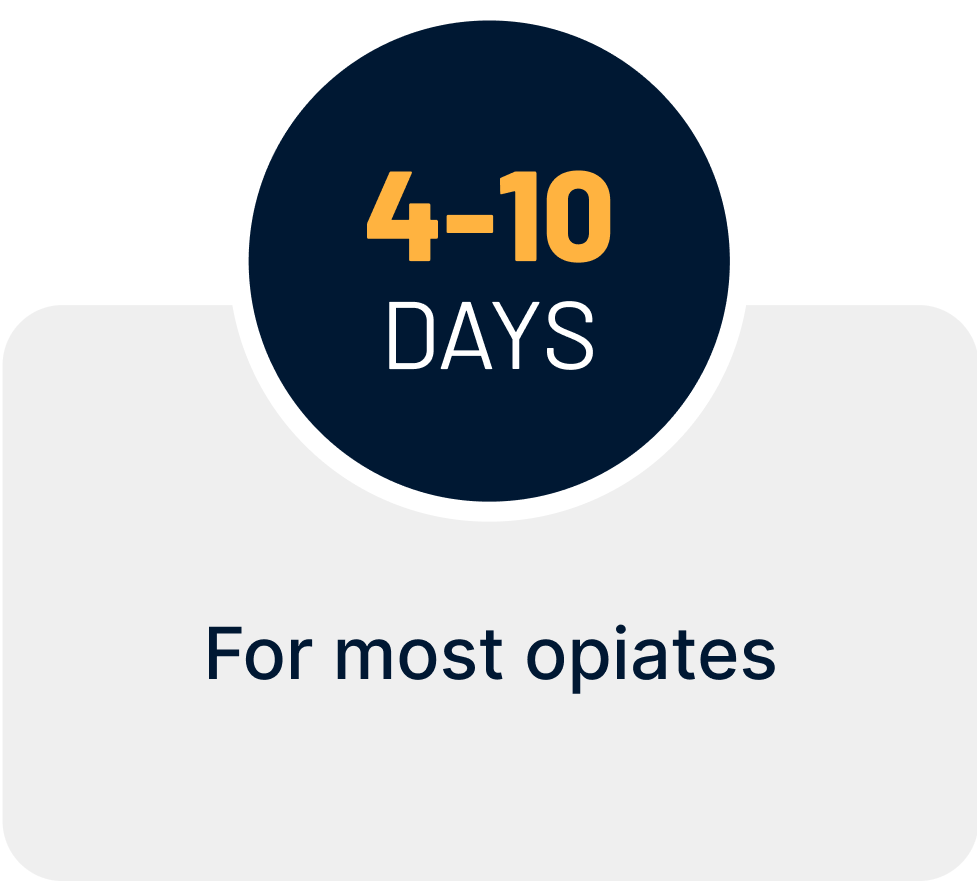
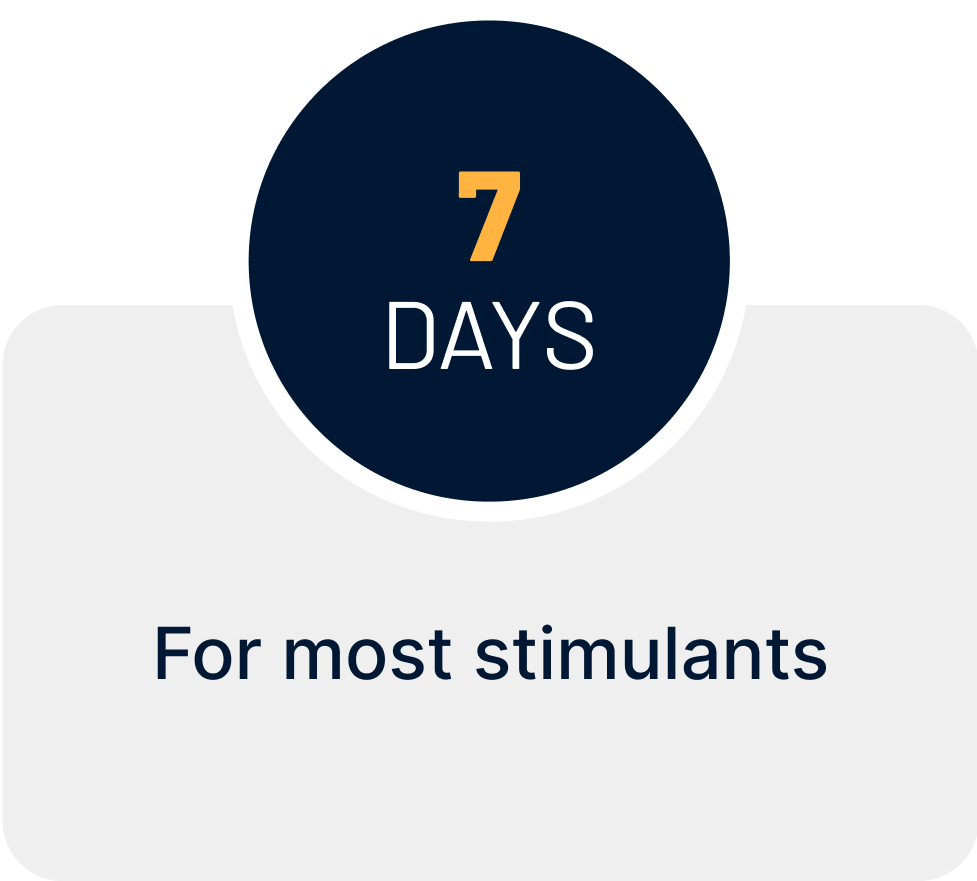
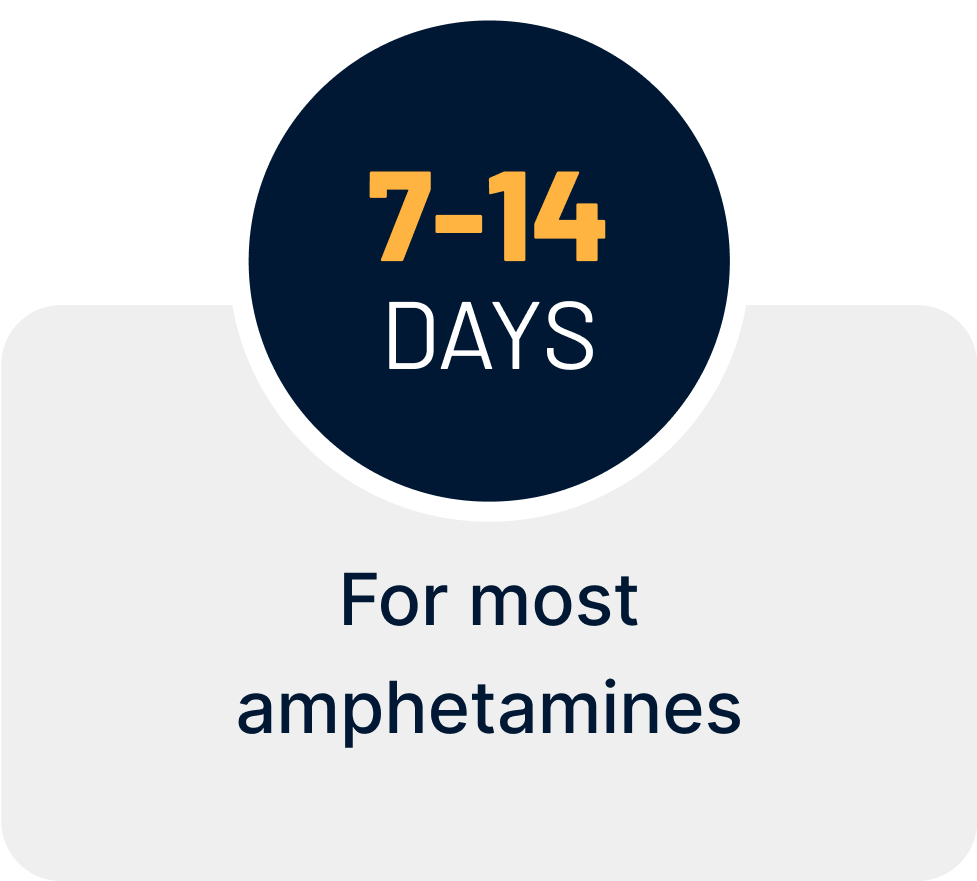
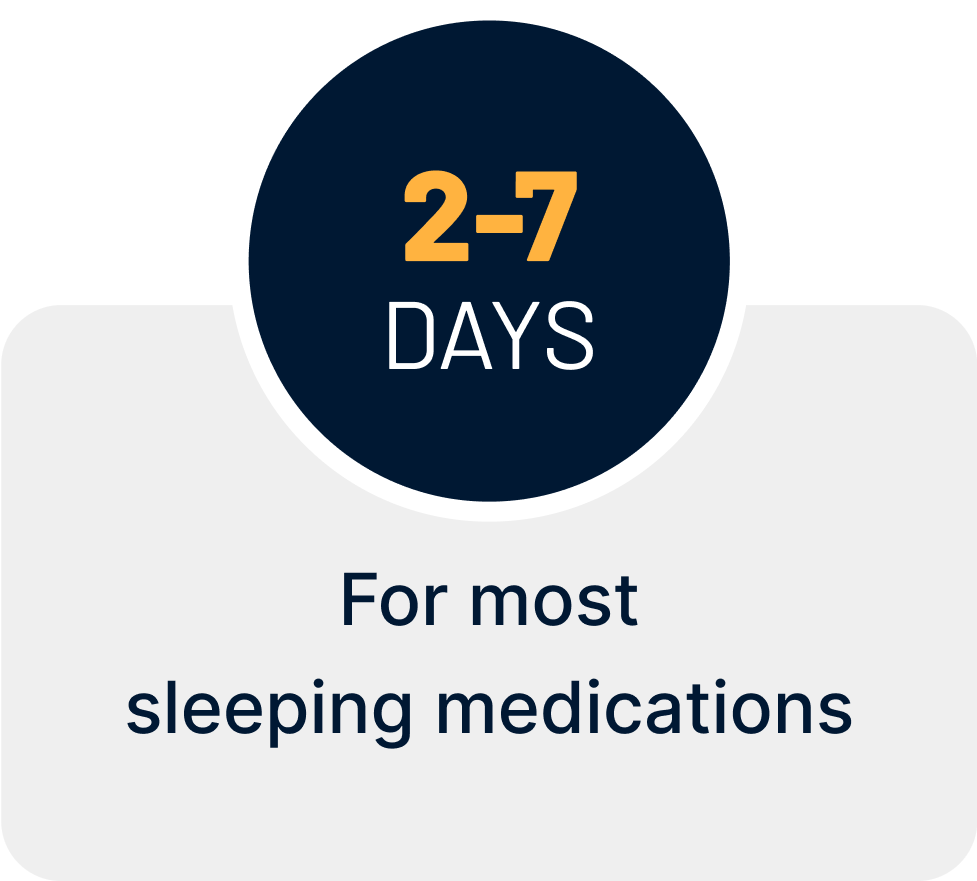
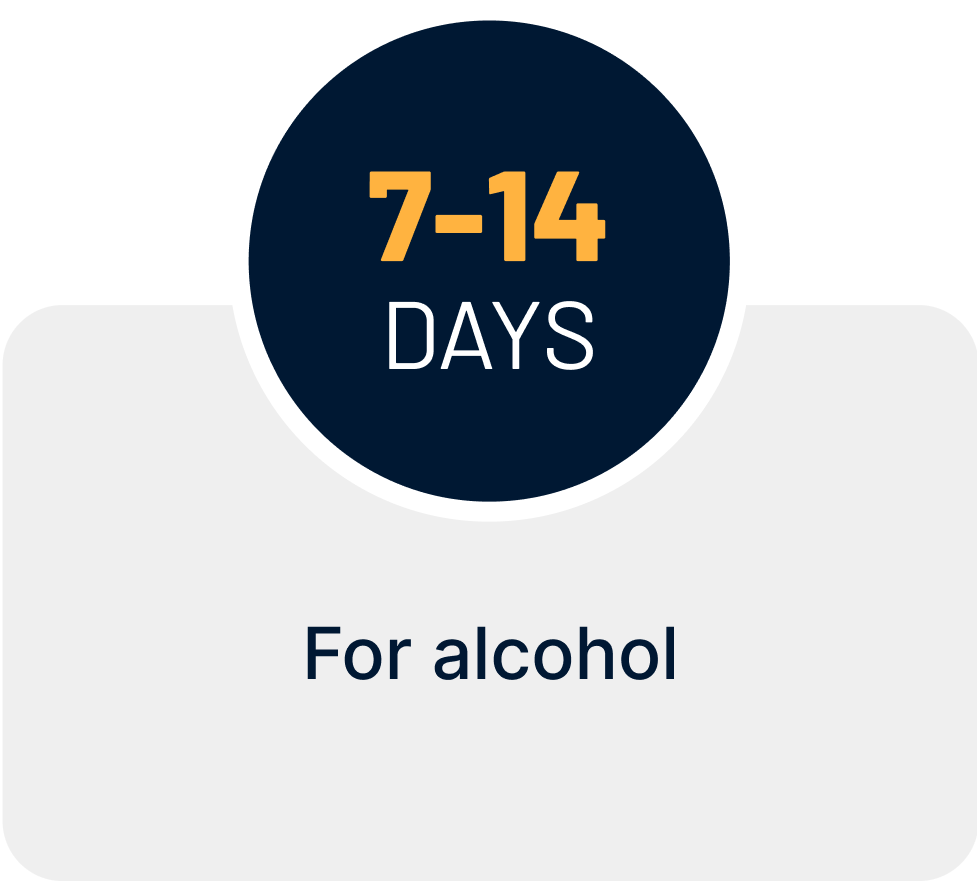
In addition, if you’re addicted to a benzodiazepine, you may be asked to go onto a tapering schedule. This can significantly extend the detox period, because you will sometimes spend several weeks on detox instead of the standard 7-14 days.
Some clients need a higher level of care before outpatient treatment. For them, our team coordinates residential placement through trusted partners in Orange County. These programs offer small, structured settings with personalized care. They treat addiction and mental health together, using proven therapies plus holistic healing. Once residential care is done, clients move smoothly into our outpatient programs. There, our team uses CBT, DBT, group therapy, and family therapy. We add holistic options like art therapy, yoga, and mindfulness. Our whole-person approach helps you build recovery skills while getting close support from our team.
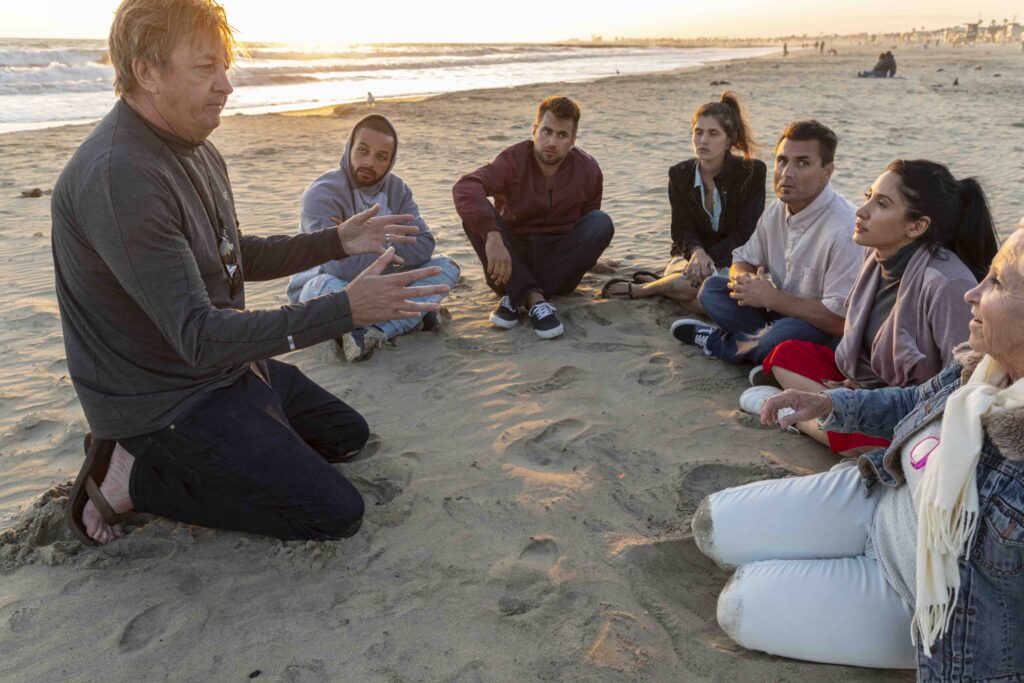
Research shows that about half of people with substance use disorders also have a mental health condition. This high overlap calls for an integrated approach, since each condition affects the other. When mental health goes untreated, substance abuse often gets worse. And substance use can worsen mental health. Many people start using to self-medicate depression, anxiety, or trauma. Yet studies show only 8.3 percent of adults with both conditions get integrated care. The best approach is to treat both at once, with the same clinical team. This leads to better outcomes, fewer relapses, and stronger long-term recovery.

Taking care of your physical health and nutrition during treatment is key to recovery. Poor nutrition and health problems can lead people to drop out and raise relapse risk. Better physical health does the opposite. It boosts motivation and quality of life during treatment.
Substance use often leads to poor nutrition, damaged organs, weak immunity, and bad eating habits. These problems harm both body and mind. They affect vital organs and the nervous system. Different substances do different damage. Opioids affect digestion. Stimulants reduce appetite. Alcohol can cause severe nutrient loss.
Treatment at Asana Recovery includes a nutrition check, balanced meals, and health monitoring. This supports healing and helps you stay in recovery for the long term.

Taking care of your physical health and nutrition during treatment is key to recovery. Poor nutrition and health problems can lead people to drop out and raise relapse risk. Better physical health does the opposite. It boosts motivation and quality of life during treatment.
Substance use often leads to poor nutrition, damaged organs, weak immunity, and bad eating habits. These problems harm both body and mind. They affect vital organs and the nervous system. Different substances do different damage. Opioids affect digestion. Stimulants reduce appetite. Alcohol can cause severe nutrient loss.
Treatment at Asana Recovery includes a nutrition check, balanced meals, and health monitoring. This supports healing and helps you stay in recovery for the long term.
A mental health condition usually means you need long-term care to stay in recovery. We believe you should always have someone to talk to when things get hard. You will have bad days. You may be more open to relapse. So you need ongoing mental health care and counseling. We help with all of this, including support groups in your area. Every part of dual diagnosis treatment must fit your specific needs, both when you start and as you progress. We take that seriously.


A Partial Hospitalization Program (PHP) is an intensive outpatient option. It bridges the gap between inpatient and standard outpatient care. PHP usually runs 5 to 7 days a week, with sessions of 4 to 6 hours a day. That is at least 20 hours of treatment each week. During PHP, you get individual therapy, group therapy, medication management, and psychiatric care, while going home each evening. This lets you keep up with daily life while you get strong support. PHP fits people who finished inpatient care, need more than standard outpatient, or have a stable home but need intensive care.
Intensive Outpatient Program (IOP) is a structured treatment option. It bridges the gap between inpatient and standard outpatient care. IOP usually offers 9 to 19 hours of treatment a week. It lets you keep up with work, school, or family. You get care through several methods, including individual counseling, group therapy, family therapy, and education sessions. IOP treats substance use, mental health, or both, for people who do not need 24-hour care or medical detox.

Start your recovery journey with us at Asana Recovery, where we prioritize your well-being and provide a welcoming environment for you to heal.
By submitting this form, I agree to Asana Recovery's Privacy Policy and consent to receive calls, texts, and emails about insurance benefits, treatment options, admissions, and related services. I authorize Asana Recovery to use and disclose my PHI for these communications, including by text and email, and understand these methods may not be fully secure. Msg/data rates may apply. Msg frequency may vary. Consent is not required for treatment. Reply STOP to opt out.
Our IOP is built for adults who need more than weekly therapy but less than 24-hour care. Five profiles fit especially well:
After a higher level of care, IOP gives you the structure and accountability to prevent relapse as you return to daily life.
If you need intensive care but cannot step away from your job, school, or family, our IOP offers day, evening, and Virtual IOP options. This pairs with our Career Development and Academic Pathways support.
If you have struggled to stay sober after past treatment, IOP gives you regular check-ins, peer support, and skill practice. This is the safety net early recovery needs.
If you are managing both a substance use disorder and a mental health condition, like depression, anxiety, PTSD, ADHD, or bipolar disorder, our dual diagnosis-integrated IOP treats both together, not separately.
If addiction or mental health issues are disrupting daily life but have not reached crisis, IOP steps in before things get worse. Earlier help usually means easier recovery.
The choice to enroll should always start with a clinical assessment. Our admissions team does a confidential evaluation to confirm IOP is right for you, or to suggest a better fit if another program would serve you more.
Our IOP gives you structured, intensive care while you keep up with daily life. Here is what to expect:
Sessions run about 3 hours a day, 3 to 4 days a week. We offer morning, afternoon, and evening tracks so treatment fits around work, school, or family.
Virtual IOP is available statewide for people who need fully remote care. Same clinical content, accessible from anywhere in California.
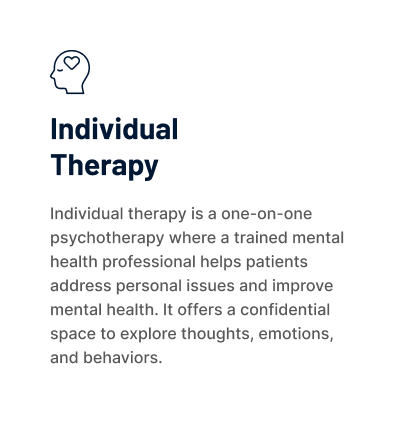
Our IOP blends several proven therapies. Group therapy builds peer support and people skills. Individual counseling addresses your own challenges. Family therapy strengthens your support system and improves communication at home.
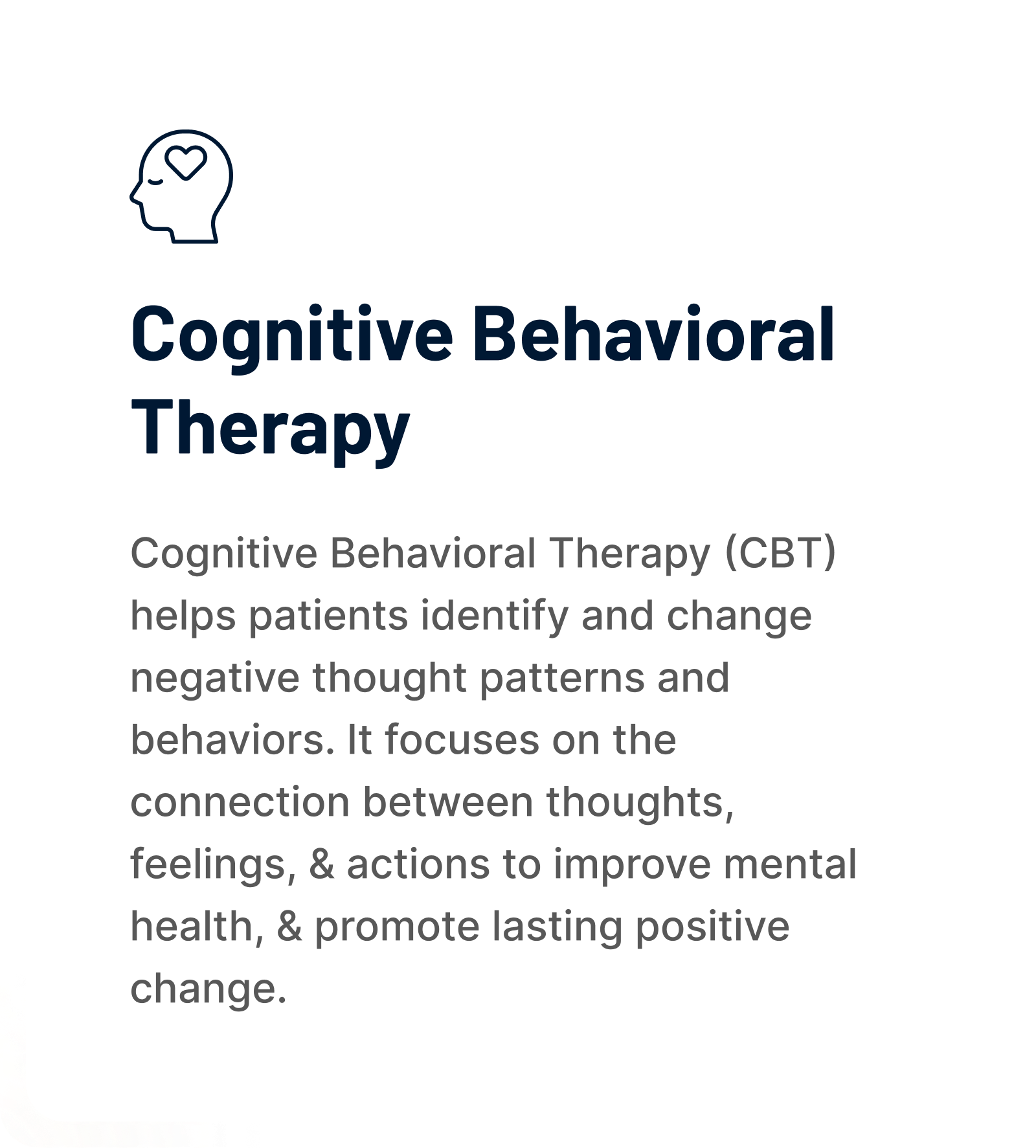
Our methods include Cognitive Behavioral Therapy (CBT), Dialectical Behavior Therapy (DBT), Motivational Interviewing (MI), and trauma-informed approaches like EMDR for people with PTSD or complex trauma.
We also offer education on addiction and recovery, relapse prevention training, life skills, and holistic practices like mindfulness and stress management.
Unlike residential care, IOP keeps you in your real environment. You practice recovery skills in the moments that matter, at work, at home, with family, and in social settings.
Between sessions, you set practical goals, work on them in real life, and report back to your clinical team. This bridge between care and daily life is what makes IOP results last.

Most people finish our IOP in about 90 days, though it varies with your progress and needs. Some step down to standard outpatient therapy sooner. Others do better with more time, especially with dual diagnosis or complex trauma. Your team checks in often and adjusts your plan.
Choosing IOP over residential care offers clear advantages:
You keep up with work, school, and family while getting intensive care. The skills you build apply right away in real life.
Without 24-hour care and housing costs, IOP costs much less than inpatient care. Most major PPO plans cover it. Verify your insurance in 60 seconds with no obligation.
Group therapy connects you with peers who face similar challenges. This shared experience eases isolation and builds accountability.
Skills learned in residential care can feel abstract until you are back home. IOP keeps you in your own world, so coping skills grow where you need them.
How does IOP compare? PHP offers full-day care 5 to 7 days a week, more than IOP. Inpatient and residential care offer round-the-clock support for people who need it. Standard outpatient is lighter than IOP, about 1 to 3 hours a week, for people in stable recovery.
Our admissions team helps you find the right starting level. Many people move between levels as they progress.
Relapse prevention is part of every session. You learn to spot your own triggers, the situations, feelings, and thoughts that often come before use. From there, you build coping skills and a prevention plan. We also help you strengthen your support network: family, peers, sober living, and aftercare.
A few things should guide your choice:
Make sure the facility holds Joint Commission accreditation and a state license. Asana Recovery is Joint Commission-accredited (ID 630705) and licensed by California DHCS (License 300043EP).
If you have both a substance use disorder and a mental health condition, choose a program that treats both at once.
Asana offers tracks for working professionals, students, couples (Couples Wellness), LGBTQ+ clients, veterans, first responders, and airline employees.
Our IOP is reviewed by Sheida Shavalian, LMFT, and overseen by Medical Director Dr. Joseph DeSanto, M.D.
We are in-network with Anthem Blue Cross, Aetna, Cigna, ComPsych, TriCare, and Tri-West. We accept most other PPO plans out-of-network. Verify your benefits with our team.
Yes. IOP is an essential health benefit under the Affordable Care Act, so most plans cover it. Details vary by plan. Our team verifies your benefits at no cost.
Cost depends on program length and services. Without insurance, a standard course often runs $3,000 to $10,000. With insurance, most people pay only their copay or coinsurance. Verify your coverage with our team.
Free, confidential, and no obligation. Get your insurance verified by our admissions team.
Asana Recovery
We firmly believe that the internet should be available and accessible to anyone, and are committed to providing a website that is accessible to the widest possible audience, regardless of circumstance and ability.
To fulfill this, we aim to adhere as strictly as possible to the World Wide Web Consortium’s (W3C) Web Content Accessibility Guidelines 2.1 (WCAG 2.1) at the AA level. These guidelines explain how to make web content accessible to people with a wide array of disabilities. Complying with those guidelines helps us ensure that the website is accessible to all people: blind people, people with motor impairments, visual impairment, cognitive disabilities, and more.
This website utilizes various technologies that are meant to make it as accessible as possible at all times. We utilize an accessibility interface that allows persons with specific disabilities to adjust the website’s UI (user interface) and design it to their personal needs.
Additionally, the website utilizes an AI-based application that runs in the background and optimizes its accessibility level constantly. This application remediates the website’s HTML, adapts Its functionality and behavior for screen-readers used by the blind users, and for keyboard functions used by individuals with motor impairments.
If you’ve found a malfunction or have ideas for improvement, we’ll be happy to hear from you. You can reach out to the website’s operators by using the following email
Our website implements the ARIA attributes (Accessible Rich Internet Applications) technique, alongside various different behavioral changes, to ensure blind users visiting with screen-readers are able to read, comprehend, and enjoy the website’s functions. As soon as a user with a screen-reader enters your site, they immediately receive a prompt to enter the Screen-Reader Profile so they can browse and operate your site effectively. Here’s how our website covers some of the most important screen-reader requirements, alongside console screenshots of code examples:
Screen-reader optimization: we run a background process that learns the website’s components from top to bottom, to ensure ongoing compliance even when updating the website. In this process, we provide screen-readers with meaningful data using the ARIA set of attributes. For example, we provide accurate form labels; descriptions for actionable icons (social media icons, search icons, cart icons, etc.); validation guidance for form inputs; element roles such as buttons, menus, modal dialogues (popups), and others. Additionally, the background process scans all the website’s images and provides an accurate and meaningful image-object-recognition-based description as an ALT (alternate text) tag for images that are not described. It will also extract texts that are embedded within the image, using an OCR (optical character recognition) technology. To turn on screen-reader adjustments at any time, users need only to press the Alt+1 keyboard combination. Screen-reader users also get automatic announcements to turn the Screen-reader mode on as soon as they enter the website.
These adjustments are compatible with all popular screen readers, including JAWS and NVDA.
Keyboard navigation optimization: The background process also adjusts the website’s HTML, and adds various behaviors using JavaScript code to make the website operable by the keyboard. This includes the ability to navigate the website using the Tab and Shift+Tab keys, operate dropdowns with the arrow keys, close them with Esc, trigger buttons and links using the Enter key, navigate between radio and checkbox elements using the arrow keys, and fill them in with the Spacebar or Enter key.Additionally, keyboard users will find quick-navigation and content-skip menus, available at any time by clicking Alt+1, or as the first elements of the site while navigating with the keyboard. The background process also handles triggered popups by moving the keyboard focus towards them as soon as they appear, and not allow the focus drift outside it.
Users can also use shortcuts such as “M” (menus), “H” (headings), “F” (forms), “B” (buttons), and “G” (graphics) to jump to specific elements.
We aim to support the widest array of browsers and assistive technologies as possible, so our users can choose the best fitting tools for them, with as few limitations as possible. Therefore, we have worked very hard to be able to support all major systems that comprise over 95% of the user market share including Google Chrome, Mozilla Firefox, Apple Safari, Opera and Microsoft Edge, JAWS and NVDA (screen readers).
Despite our very best efforts to allow anybody to adjust the website to their needs. There may still be pages or sections that are not fully accessible, are in the process of becoming accessible, or are lacking an adequate technological solution to make them accessible. Still, we are continually improving our accessibility, adding, updating and improving its options and features, and developing and adopting new technologies. All this is meant to reach the optimal level of accessibility, following technological advancements. For any assistance, please reach out to