

At Asana Recovery’s Fountain Valley outpatient center, Medication-Assisted Treatment (MAT) combines FDA-approved medications with counseling and behavioral therapy to support recovery from opioid and alcohol use disorders. Supervised by Medical Director Dr. Joseph DeSanto, M.D., our MAT program addresses both the physical dependence and psychological dimensions of addiction.

Our MAT program effectively addresses substance use disorders (SUDs), including opioid addiction, alcohol dependence, and prescription drug misuse.
The FDA-approved medications we use at Asana Recovery for MAT are Suboxone, Sublocade, and Vivitrol. These medications are specifically designed to:
Benefits of MAT in Addiction Recovery
Medication-Assisted Treatment offers distinct advantages for adults managing opioid use disorder or alcohol use disorder:
At Asana Recovery, we use FDA-approved medications matched to your specific substance use disorder. Here’s how each medication works:
For Opioid Use Disorder:
For Alcohol Use Disorder:
Your prescribing clinician determines which medication matches your specific situation, treatment goals, and medical history during your initial assessment.
Call for Help Today:
At Asana Recovery, Medication-Assisted Treatment combines FDA-approved medications with counseling and behavioral therapy to support sustained recovery. This integrated approach reduces cravings, manages withdrawal symptoms, and normalizes brain chemistry—allowing you to focus on recovery work. Research shows MAT increases treatment retention, reduces overdose risk, and improves long-term outcomes for adults managing opioid and alcohol use disorders.

If you are struggling with drugs or alcohol right now, that addiction is life-threatening. Detox helps you get clean and safe. You can do this two ways: a social approach, where you quit and move through withdrawal, or a medication assisted treatment program. Our team coordinates medically supervised detox through trusted partner facilities. We pick the right approach based on the substance, how much you use, and your health. Detox happens at a partner facility, where you are monitored and cared for as you move through withdrawal safely. Then you move straight into our outpatient programs.
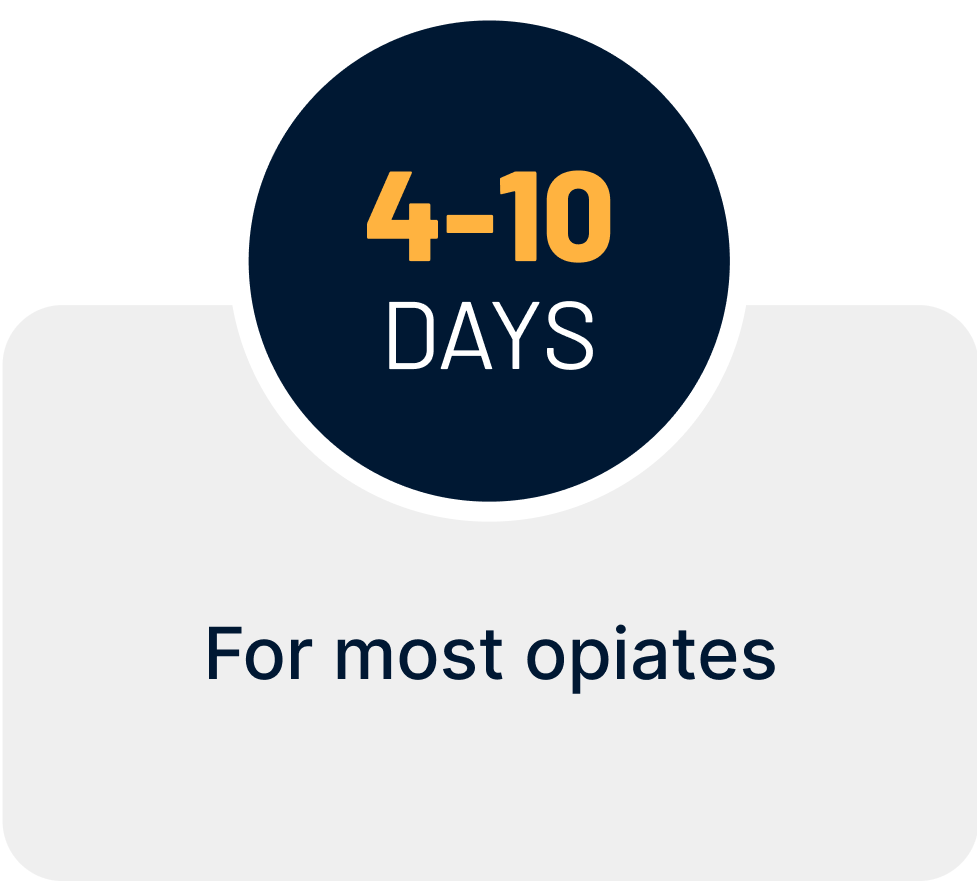
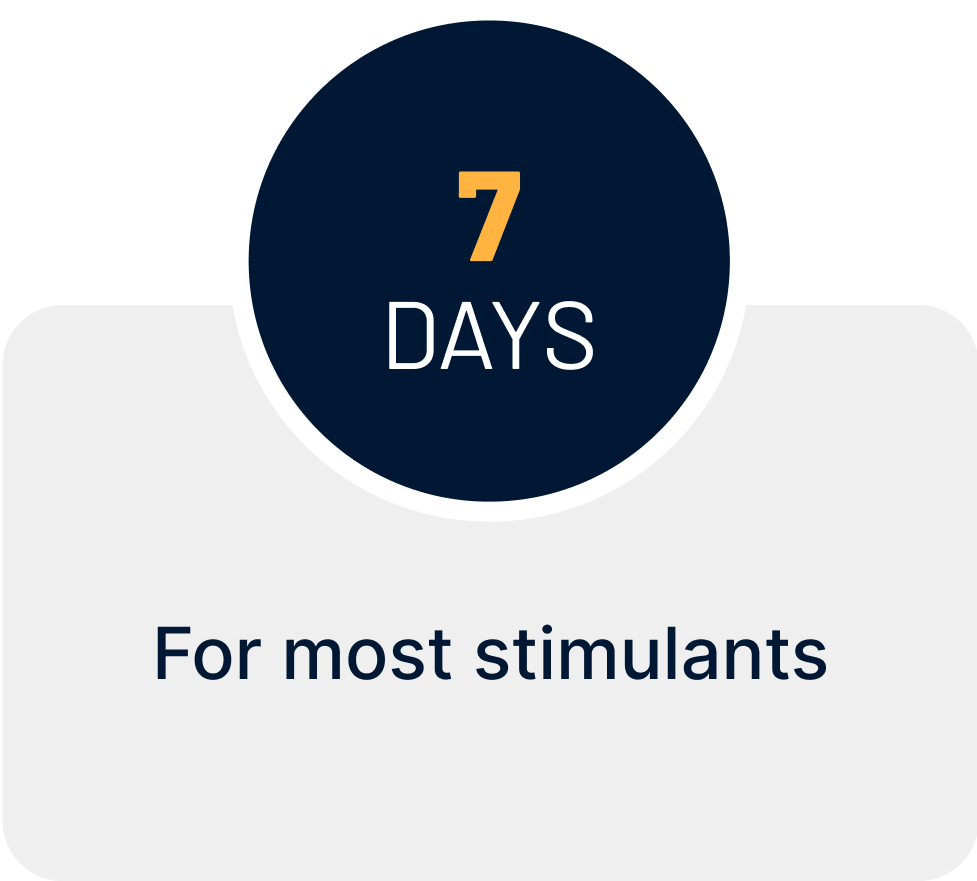
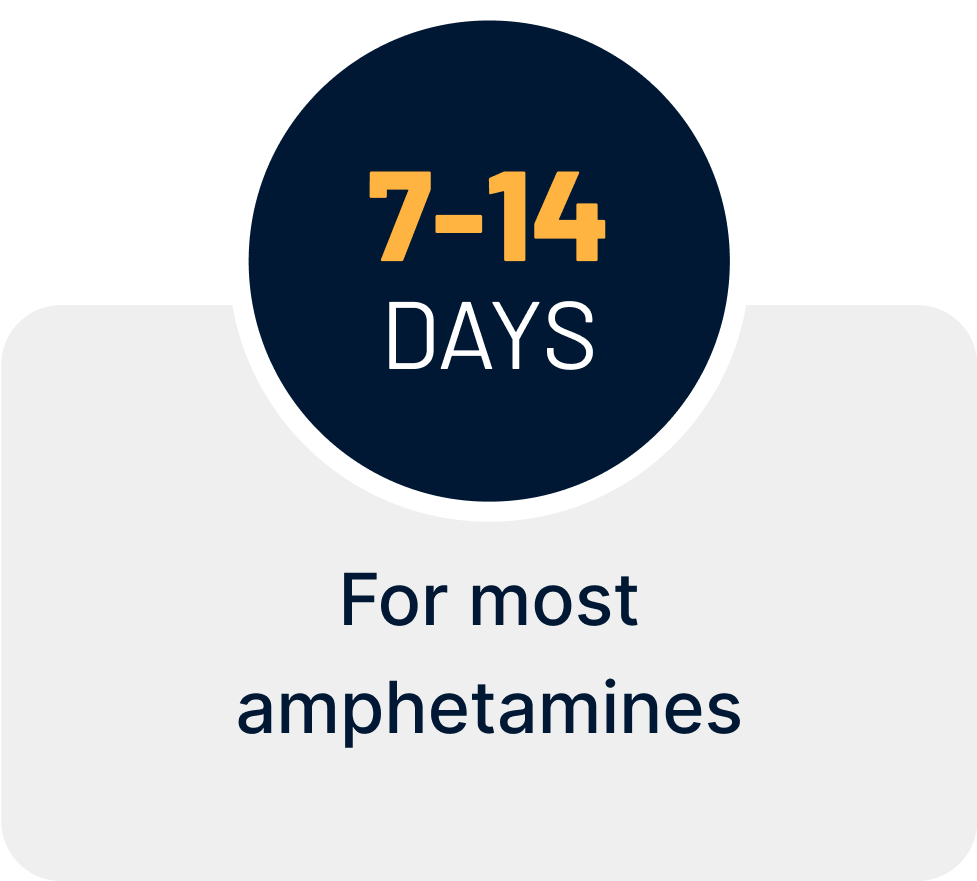
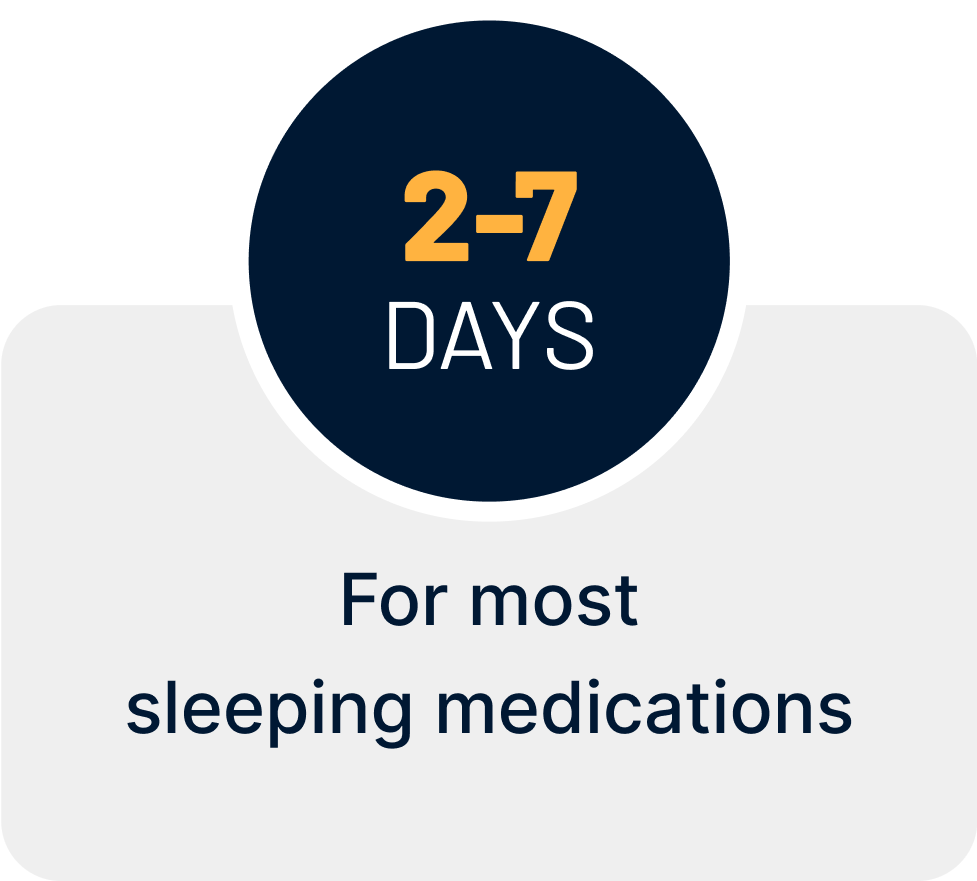
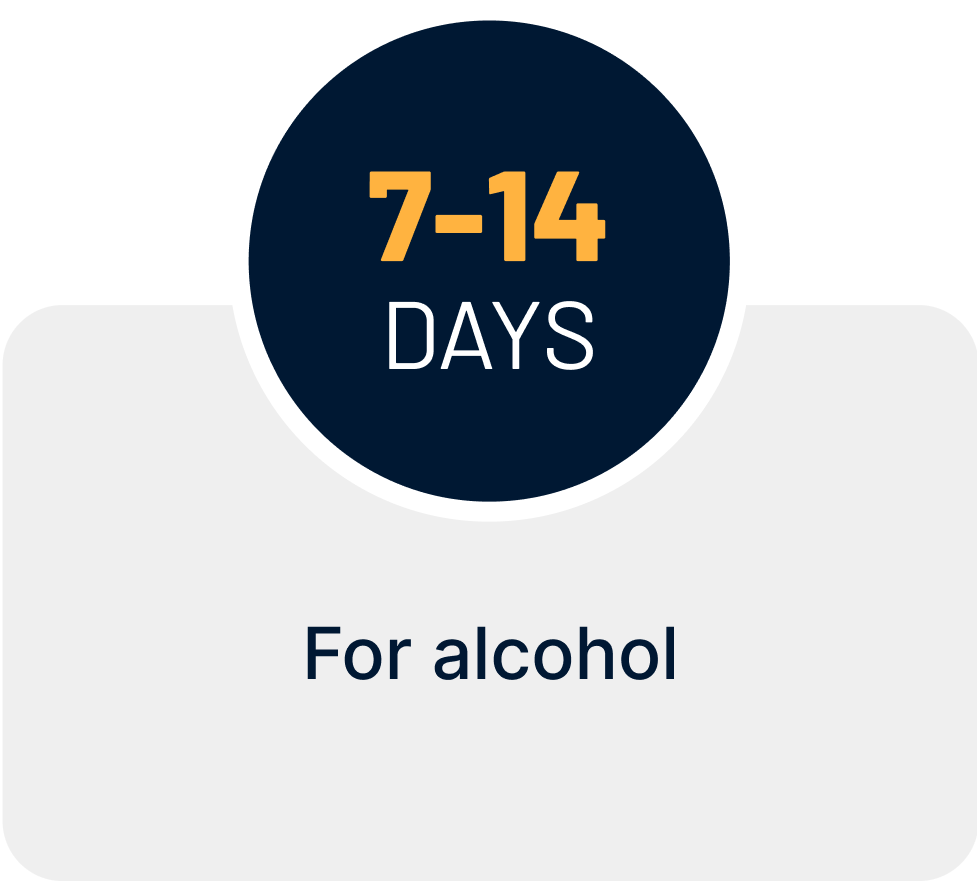
In addition, if you’re addicted to a benzodiazepine, you may be asked to go onto a tapering schedule. This can significantly extend the detox period, because you will sometimes spend several weeks on detox instead of the standard 7-14 days.
Some clients need a higher level of care before outpatient treatment. For them, our team coordinates residential placement through trusted partners in Orange County. These programs offer small, structured settings with personalized care. They treat addiction and mental health together, using proven therapies plus holistic healing. Once residential care is done, clients move smoothly into our outpatient programs. There, our team uses CBT, DBT, group therapy, and family therapy. We add holistic options like art therapy, yoga, and mindfulness. Our whole-person approach helps you build recovery skills while getting close support from our team.

Research shows that about half of people with substance use disorders also have a mental health condition. This high overlap calls for an integrated approach, since each condition affects the other. When mental health goes untreated, substance abuse often gets worse. And substance use can worsen mental health. Many people start using to self-medicate depression, anxiety, or trauma. Yet studies show only 8.3 percent of adults with both conditions get integrated care. The best approach is to treat both at once, with the same clinical team. This leads to better outcomes, fewer relapses, and stronger long-term recovery.

Taking care of your physical health and nutrition during treatment is key to recovery. Poor nutrition and health problems can lead people to drop out and raise relapse risk. Better physical health does the opposite. It boosts motivation and quality of life during treatment.
Substance use often leads to poor nutrition, damaged organs, weak immunity, and bad eating habits. These problems harm both body and mind. They affect vital organs and the nervous system. Different substances do different damage. Opioids affect digestion. Stimulants reduce appetite. Alcohol can cause severe nutrient loss.
Treatment at Asana Recovery includes a nutrition check, balanced meals, and health monitoring. This supports healing and helps you stay in recovery for the long term.

Taking care of your physical health and nutrition during treatment is key to recovery. Poor nutrition and health problems can lead people to drop out and raise relapse risk. Better physical health does the opposite. It boosts motivation and quality of life during treatment.
Substance use often leads to poor nutrition, damaged organs, weak immunity, and bad eating habits. These problems harm both body and mind. They affect vital organs and the nervous system. Different substances do different damage. Opioids affect digestion. Stimulants reduce appetite. Alcohol can cause severe nutrient loss.
Treatment at Asana Recovery includes a nutrition check, balanced meals, and health monitoring. This supports healing and helps you stay in recovery for the long term.
A mental health condition usually means you need long-term care to stay in recovery. We believe you should always have someone to talk to when things get hard. You will have bad days. You may be more open to relapse. So you need ongoing mental health care and counseling. We help with all of this, including support groups in your area. Every part of dual diagnosis treatment must fit your specific needs, both when you start and as you progress. We take that seriously.


A Partial Hospitalization Program (PHP) is an intensive outpatient option. It bridges the gap between inpatient and standard outpatient care. PHP usually runs 5 to 7 days a week, with sessions of 4 to 6 hours a day. That is at least 20 hours of treatment each week. During PHP, you get individual therapy, group therapy, medication management, and psychiatric care, while going home each evening. This lets you keep up with daily life while you get strong support. PHP fits people who finished inpatient care, need more than standard outpatient, or have a stable home but need intensive care.
Intensive Outpatient Program (IOP) is a structured treatment option. It bridges the gap between inpatient and standard outpatient care. IOP usually offers 9 to 19 hours of treatment a week. It lets you keep up with work, school, or family. You get care through several methods, including individual counseling, group therapy, family therapy, and education sessions. IOP treats substance use, mental health, or both, for people who do not need 24-hour care or medical detox.

Start your recovery journey with us at Asana Recovery, where we prioritize your well-being and provide a welcoming environment for you to heal.
By submitting this form, I agree to Asana Recovery's Privacy Policy and consent to receive calls, texts, and emails about insurance benefits, treatment options, admissions, and related services. I authorize Asana Recovery to use and disclose my PHI for these communications, including by text and email, and understand these methods may not be fully secure. Msg/data rates may apply. Msg frequency may vary. Consent is not required for treatment. Reply STOP to opt out.
Medication-Assisted Treatment (MAT) is an evidence-based approach to treating opioid and alcohol use disorders. It combines FDA-approved medications with counseling and behavioral therapy to address both the physical dependence and psychological dimensions of addiction.
MAT is endorsed by the Substance Abuse and Mental Health Services Administration (SAMHSA) as a standard of care for opioid use disorder and alcohol use disorder. Decades of research show that MAT reduces relapse rates, decreases overdose risk, and improves long-term recovery outcomes compared to abstinence-only approaches.
The medications used in MAT manage withdrawal symptoms, reduce cravings, and stabilize brain chemistry disrupted by long-term substance use. This allows you to focus on the therapeutic and behavioral work that drives sustained recovery.
At Asana Recovery, MAT is delivered as part of our outpatient programs (Outpatient, IOP, PHP, and Virtual IOP) under the medical direction of Dr. Joseph DeSanto, M.D., Board Certified in Internal Medicine with a specialty focus in Addiction Medicine.
A common misconception about MAT is that it substitutes one substance for another. This belief misunderstands how MAT medications work.
Suboxone, Sublocade, and Vivitrol — the medications we use at Asana Recovery — are administered at therapeutic doses under medical supervision. They stabilize brain function without producing a “high.” Rather than perpetuating dependency, they create a foundation for recovery by mitigating the physiological barriers (cravings, withdrawal) that derail traditional abstinence-only attempts.
Major medical authorities — SAMHSA, the National Institute on Drug Abuse (NIDA), the American Society of Addiction Medicine (ASAM) — recognize MAT as a legitimate and effective form of recovery, not a substitute addiction.
Medication alone doesn’t treat addiction. MAT is most effective when integrated with counseling and behavioral therapy that addresses the psychological, social, and environmental factors driving substance use.
At Asana Recovery, MAT is combined with evidence-based therapies including Cognitive Behavioral Therapy (CBT), Dialectical Behavior Therapy (DBT), Motivational Interviewing (MI), and EMDR for clients with co-occurring trauma. For clients with dual diagnosis — both a substance use disorder and a co-occurring mental health condition — our integrated clinical team treats both concurrently.
MAT addresses three barriers that derail traditional recovery attempts:
The discomfort of withdrawal often leads people to abandon recovery prematurely. MAT medications ease withdrawal so you can transition through detox (coordinated through our partner facilities) and into outpatient treatment without the debilitating physical toll.
Long after acute withdrawal ends, cravings can persist for months or years. MAT medications reduce craving intensity, freeing mental and emotional bandwidth for the deeper work of recovery.
For opioid use disorder, MAT substantially reduces the risk of fatal overdose. Research from the National Institute on Drug Abuse shows individuals receiving MAT are significantly less likely to die from overdose compared to those who don’t receive medication-assisted treatment.
Our Fountain Valley outpatient center delivers MAT under the supervision of Medical Director Dr. Joseph DeSanto, M.D. Every client begins with a comprehensive clinical assessment to determine whether MAT is the right fit, which medication matches your situation, and how MAT integrates with your therapy and behavioral treatment plan.
MAT is voluntary, never coercive, and always tailored to your specific medical history, treatment goals, and recovery preferences. Our clinical team works with you to monitor progress, adjust dosages, and transition off MAT when clinically appropriate — though for many clients, longer-term maintenance is the recommended path based on research.
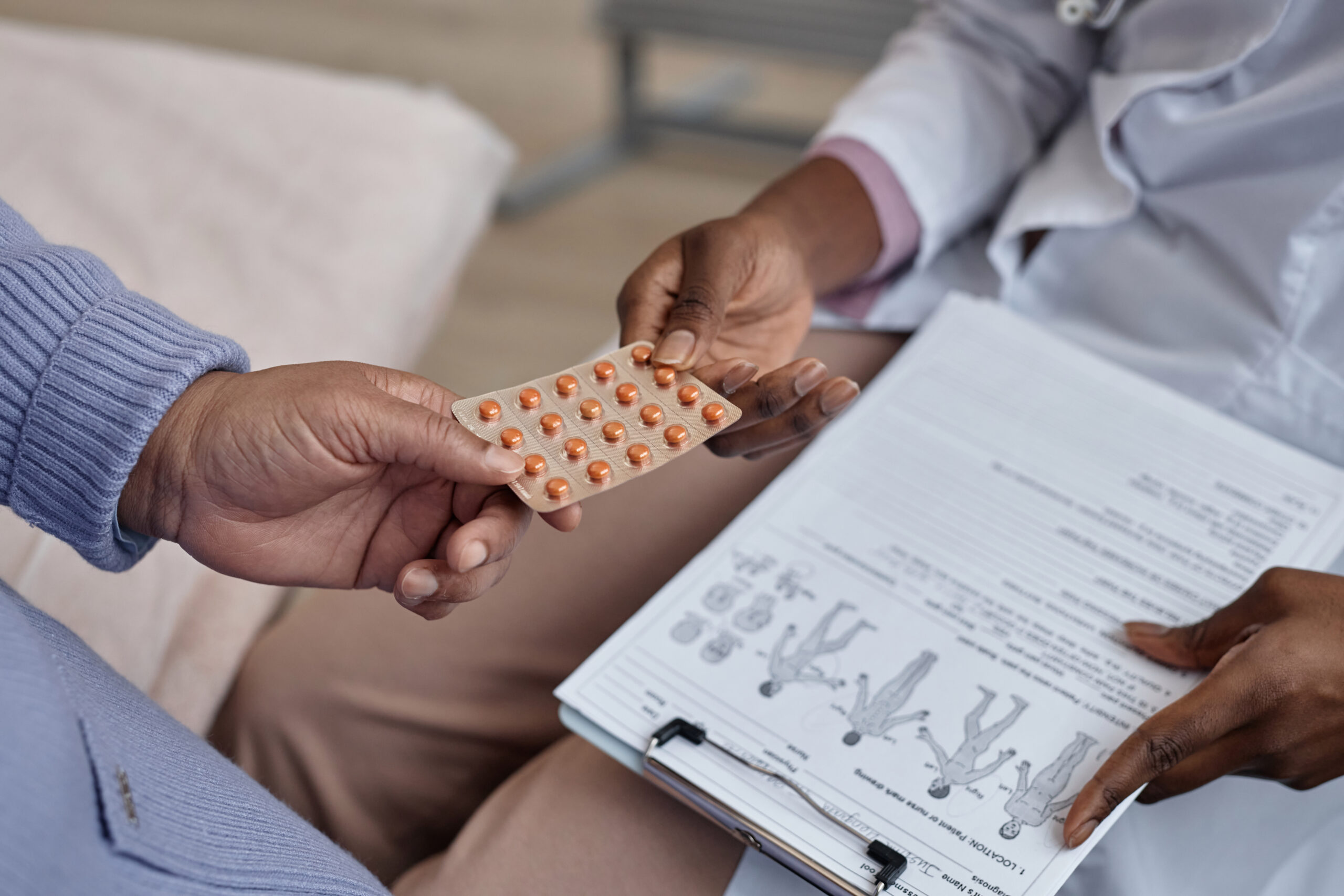
At Asana Recovery, MAT is used to treat two primary conditions: opioid use disorder and alcohol use disorder. For clients with polysubstance use involving other substances, MAT supports recovery from opioids or alcohol while specialized therapy addresses other substance use patterns.
MAT is most extensively researched for opioid use disorder, including dependence on prescription painkillers, heroin, and fentanyl. The medications we use at Asana Recovery — Suboxone, Sublocade, and Vivitrol — work by either partially activating opioid receptors at therapeutic doses (Suboxone, Sublocade) or blocking opioid receptors entirely (Vivitrol).
This approach normalizes brain chemistry that has been disrupted by long-term opioid use, alleviates cravings, and prevents the euphoric effects if a relapse occurs. Research from the National Institute on Drug Abuse shows MAT reduces opioid overdose deaths by approximately 50% and significantly improves treatment retention compared to non-medication approaches.
If you’re dealing with opioid use disorder, our team also coordinates medically supervised detox through trusted partner facilities. You transition directly into our outpatient programs at Fountain Valley once stabilized.
MAT is equally effective for alcohol use disorder. Medications work in different ways:
The right medication depends on your medical history, treatment goals, and your prescribing clinician’s assessment.
Many clients struggle with more than one substance. If you’re managing opioid or alcohol use disorder alongside cocaine, methamphetamine, or benzodiazepine use, MAT addresses the opioid or alcohol component while our integrated therapy approach addresses the behavioral patterns driving other substance use.
No FDA-approved medications currently treat stimulant use disorder (cocaine, methamphetamine) directly, but Cognitive Behavioral Therapy and other evidence-based therapies have strong outcomes for these conditions when delivered as part of comprehensive outpatient treatment.
MAT bridges the gap between the discomfort of early recovery and the long-term work that sustains sobriety. By stabilizing the physical dimension of addiction, MAT creates space for the deeper psychological and behavioral work to take hold.
Early recovery is often abandoned because withdrawal and persistent cravings are physically overwhelming. MAT medications reduce both — allowing you to engage with therapy, build coping skills, and address underlying issues without the constant pull back toward use.
Despite extensive research supporting MAT, stigma persists in some recovery communities. The medical evidence is clear: MAT is recognized by SAMHSA, NIDA, and the American Society of Addiction Medicine as a legitimate and effective form of recovery. At Asana Recovery, we treat MAT as a clinical decision based on your specific situation, not a moral or philosophical question.
No two recovery journeys are identical. Your medication, dosage, treatment length, and therapy integration are tailored to your medical history, substance use pattern, mental health, and personal recovery goals. Treatment plans evolve as you progress.
The duration of MAT varies by individual and depends on factors including which medication you’re prescribed, your response to treatment, your overall recovery progress, and your collaborative decision with the clinical team.
Most clients are on MAT for at least 90 days, with many benefiting from extended maintenance ranging from several months to multiple years. Research consistently shows that longer treatment duration correlates with better outcomes — including reduced overdose risk and lower relapse rates. Tapering off MAT, when clinically appropriate, is done gradually and collaboratively with your prescribing clinician.
The decision to continue, adjust, or end MAT should always be made between you and your medical team — never unilaterally and never based on outside pressure to “be done” with medication.
Most major insurance plans cover MAT as an essential health benefit under the Affordable Care Act and the Mental Health Parity and Addiction Equity Act. This includes private insurance, Medicaid, and Medicare.
Asana Recovery is in-network with Anthem Blue Cross, Blue Cross Blue Shield, Cigna, Aetna, Tri-West VA, Tri-Care, ComPsych, and Provider Network of America. Coverage specifics depend on your plan, deductible, and any pre-authorization requirements.
Our admissions team handles the entire benefits verification process at no cost — verify your insurance online in about 60 seconds, or call (949) 763-3440 to verify by phone.
If you or a loved one is struggling with opioid or alcohol use disorder, Medication-Assisted Treatment may be a foundation for sustainable recovery. Our Fountain Valley outpatient center delivers MAT under the medical direction of Dr. Joseph DeSanto, M.D., integrated with evidence-based therapy and individualized care.
Ready to learn more? Call (949) 763-3440 to speak with our admissions team, or verify your insurance online. No cost, no obligation.
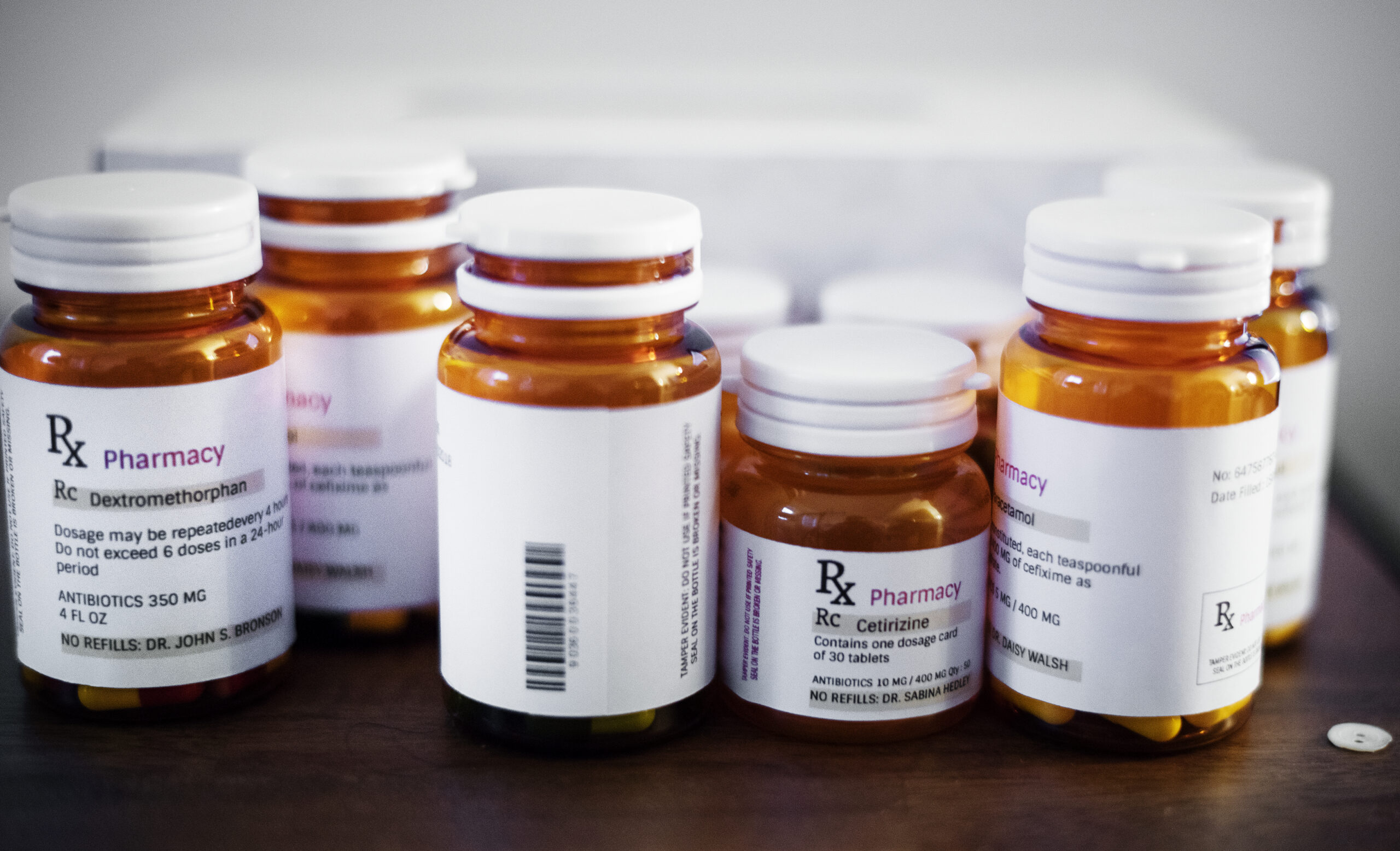
We use three FDA-approved medications: Suboxone (buprenorphine + naloxone), Sublocade (extended-release buprenorphine injection), and Vivitrol (extended-release naltrexone injection). Vivitrol is used for both opioid use disorder and alcohol use disorder. For alcohol use disorder, we may also prescribe acamprosate or disulfiram depending on your clinical situation. We do not dispense methadone — methadone treatment requires a specially licensed Opioid Treatment Program (OTP), which is a different model of care.
No. This is one of the most common misconceptions about MAT, and it misunderstands how the medications work. Suboxone, Sublocade, and Vivitrol are administered at therapeutic doses under medical supervision. They stabilize brain chemistry without producing a “high.” SAMHSA, the National Institute on Drug Abuse, and the American Society of Addiction Medicine all recognize MAT as a legitimate and effective form of recovery — not a substitute addiction.
MAT is appropriate for adults managing opioid use disorder (including dependence on prescription painkillers, heroin, or fentanyl) or alcohol use disorder. It’s especially helpful for people who have struggled with abstinence-only approaches, are at high risk of overdose, or are managing dual diagnosis (a substance use disorder alongside a mental health condition like depression, anxiety, PTSD, or bipolar disorder). Your prescribing clinician determines fit during your initial assessment.
Most clients are on MAT for at least 90 days, with many benefiting from extended maintenance — several months to multiple years. Research shows longer treatment duration correlates with better outcomes, including reduced overdose risk and lower relapse rates. Your prescribing clinician works with you to determine the right duration based on your progress, recovery goals, and medical history. Tapering off MAT, when clinically appropriate, is done gradually and collaboratively.
Yes. For alcohol use disorder, we use Vivitrol (naltrexone), acamprosate, or disulfiram depending on your clinical situation. Vivitrol blocks the pleasurable effects of alcohol, acamprosate helps restore brain chemistry, and disulfiram creates unpleasant reactions when alcohol is consumed. All three are FDA-approved for alcohol use disorder.
Yes. MAT is considered an essential health benefit under the Affordable Care Act and the Mental Health Parity and Addiction Equity Act. Most major insurance plans cover MAT. Asana Recovery is in-network with Anthem Blue Cross, Blue Cross Blue Shield, Cigna, Aetna, Tri-West VA, Tri-Care, ComPsych, and Provider Network of America. Coverage specifics depend on your plan — our admissions team verifies benefits at no cost.
Yes. MAT is integrated directly into our outpatient programs (Outpatient, IOP, PHP, Virtual IOP) at Asana Recovery. You don’t choose between MAT and therapy — they work together. MAT addresses the physiological dimension of addiction while therapy addresses the psychological, behavioral, and social dimensions. The integrated approach produces significantly better outcomes than either alone.
Dual diagnosis treatment is one of our core competencies. If you’re managing a substance use disorder alongside depression, anxiety, PTSD, ADHD, or another mental health condition, MAT integrates with our dual diagnosis program — our clinical team treats both conditions concurrently rather than sequentially. This integrated approach is the standard of care recommended by SAMHSA for co-occurring disorders.
Side effects vary by medication. Suboxone and Sublocade may cause mild side effects including nausea, headache, or constipation, generally easing after the first few weeks. Vivitrol may cause injection-site reactions, nausea, or fatigue. Acamprosate and disulfiram have their own profiles your clinician will explain. All MAT medications are closely monitored, and your prescribing clinician adjusts treatment based on how you respond.
The first step is an admissions call or insurance verification. Call (949) 763-3440 or verify your benefits online in 60 seconds. From there, we schedule a comprehensive clinical assessment to determine whether MAT is the right fit and which medication and treatment plan matches your situation. There’s no cost or obligation to verify your benefits or speak with our admissions team.
Free, confidential, and no obligation. Get your insurance verified by our admissions team.
Asana Recovery
We firmly believe that the internet should be available and accessible to anyone, and are committed to providing a website that is accessible to the widest possible audience, regardless of circumstance and ability.
To fulfill this, we aim to adhere as strictly as possible to the World Wide Web Consortium’s (W3C) Web Content Accessibility Guidelines 2.1 (WCAG 2.1) at the AA level. These guidelines explain how to make web content accessible to people with a wide array of disabilities. Complying with those guidelines helps us ensure that the website is accessible to all people: blind people, people with motor impairments, visual impairment, cognitive disabilities, and more.
This website utilizes various technologies that are meant to make it as accessible as possible at all times. We utilize an accessibility interface that allows persons with specific disabilities to adjust the website’s UI (user interface) and design it to their personal needs.
Additionally, the website utilizes an AI-based application that runs in the background and optimizes its accessibility level constantly. This application remediates the website’s HTML, adapts Its functionality and behavior for screen-readers used by the blind users, and for keyboard functions used by individuals with motor impairments.
If you’ve found a malfunction or have ideas for improvement, we’ll be happy to hear from you. You can reach out to the website’s operators by using the following email
Our website implements the ARIA attributes (Accessible Rich Internet Applications) technique, alongside various different behavioral changes, to ensure blind users visiting with screen-readers are able to read, comprehend, and enjoy the website’s functions. As soon as a user with a screen-reader enters your site, they immediately receive a prompt to enter the Screen-Reader Profile so they can browse and operate your site effectively. Here’s how our website covers some of the most important screen-reader requirements, alongside console screenshots of code examples:
Screen-reader optimization: we run a background process that learns the website’s components from top to bottom, to ensure ongoing compliance even when updating the website. In this process, we provide screen-readers with meaningful data using the ARIA set of attributes. For example, we provide accurate form labels; descriptions for actionable icons (social media icons, search icons, cart icons, etc.); validation guidance for form inputs; element roles such as buttons, menus, modal dialogues (popups), and others. Additionally, the background process scans all the website’s images and provides an accurate and meaningful image-object-recognition-based description as an ALT (alternate text) tag for images that are not described. It will also extract texts that are embedded within the image, using an OCR (optical character recognition) technology. To turn on screen-reader adjustments at any time, users need only to press the Alt+1 keyboard combination. Screen-reader users also get automatic announcements to turn the Screen-reader mode on as soon as they enter the website.
These adjustments are compatible with all popular screen readers, including JAWS and NVDA.
Keyboard navigation optimization: The background process also adjusts the website’s HTML, and adds various behaviors using JavaScript code to make the website operable by the keyboard. This includes the ability to navigate the website using the Tab and Shift+Tab keys, operate dropdowns with the arrow keys, close them with Esc, trigger buttons and links using the Enter key, navigate between radio and checkbox elements using the arrow keys, and fill them in with the Spacebar or Enter key.Additionally, keyboard users will find quick-navigation and content-skip menus, available at any time by clicking Alt+1, or as the first elements of the site while navigating with the keyboard. The background process also handles triggered popups by moving the keyboard focus towards them as soon as they appear, and not allow the focus drift outside it.
Users can also use shortcuts such as “M” (menus), “H” (headings), “F” (forms), “B” (buttons), and “G” (graphics) to jump to specific elements.
We aim to support the widest array of browsers and assistive technologies as possible, so our users can choose the best fitting tools for them, with as few limitations as possible. Therefore, we have worked very hard to be able to support all major systems that comprise over 95% of the user market share including Google Chrome, Mozilla Firefox, Apple Safari, Opera and Microsoft Edge, JAWS and NVDA (screen readers).
Despite our very best efforts to allow anybody to adjust the website to their needs. There may still be pages or sections that are not fully accessible, are in the process of becoming accessible, or are lacking an adequate technological solution to make them accessible. Still, we are continually improving our accessibility, adding, updating and improving its options and features, and developing and adopting new technologies. All this is meant to reach the optimal level of accessibility, following technological advancements. For any assistance, please reach out to