

Our Residential Treatment program offers a safe, supportive, and immersive environment for individuals beginning their journey to recovery. With 24/7 medical and therapeutic support, our program allows patients to focus entirely on healing while building a strong foundation for a life free from addiction.
Many individuals facing significant challenges tend to underestimate the severity of their problem, even when daily life is impacted. With 48.7 million people nationwide struggling with substance abuse as of 2024, seeking residential treatment can be a life-changing step toward recovery.
Residential treatment offers a structured, supportive environment where individuals can focus entirely on healing, away from the triggers and pressures of everyday life. By living on-site, you receive round-the-clock care and a personalized approach to address both the underlying issues and daily barriers to recovery.
This immersive setting fosters a strong community of peers on similar paths, helping each individual build coping mechanisms and resilience. Residential treatment can be the crucial step that transforms the cycle of addiction into a journey toward lasting recovery and personal growth.
Determining whether your addiction is severe enough to require residential treatment is often challenging, as it demands an objective look at your situation—a perspective that’s difficult to maintain while actively battling addiction. Residential treatment provides an immersive, structured approach to recovery by offering round-the-clock care in a safe, supportive environment. Unlike outpatient options, residential treatment removes individuals from their usual environments and potential triggers, allowing them to focus solely on healing.
Residents live on-site, where they receive a personalized mix of therapies, support groups, and skill-building activities designed to address both the symptoms and root causes of addiction. This holistic approach enables individuals to build resilience, establish healthy routines, and develop a network of supportive peers, making residential treatment a pivotal step for those needing intensive, sustained support in their recovery journey.
Call for Help Today:

If you’re currently struggling with drugs or alcohol, that addiction is life threatening. Drug and alcohol detox gets you clean or sober, using either a social approach where you quit and go through withdrawal, or a medication assisted treatment program.
Asana Recovery uses both options, which will be recommended based on the amount of substance you’re using, which substances you’re using, and your mental and physical health.
Detox normally involves staying at our clinic where you can be monitored and given the medical attention to move through withdrawal safely.
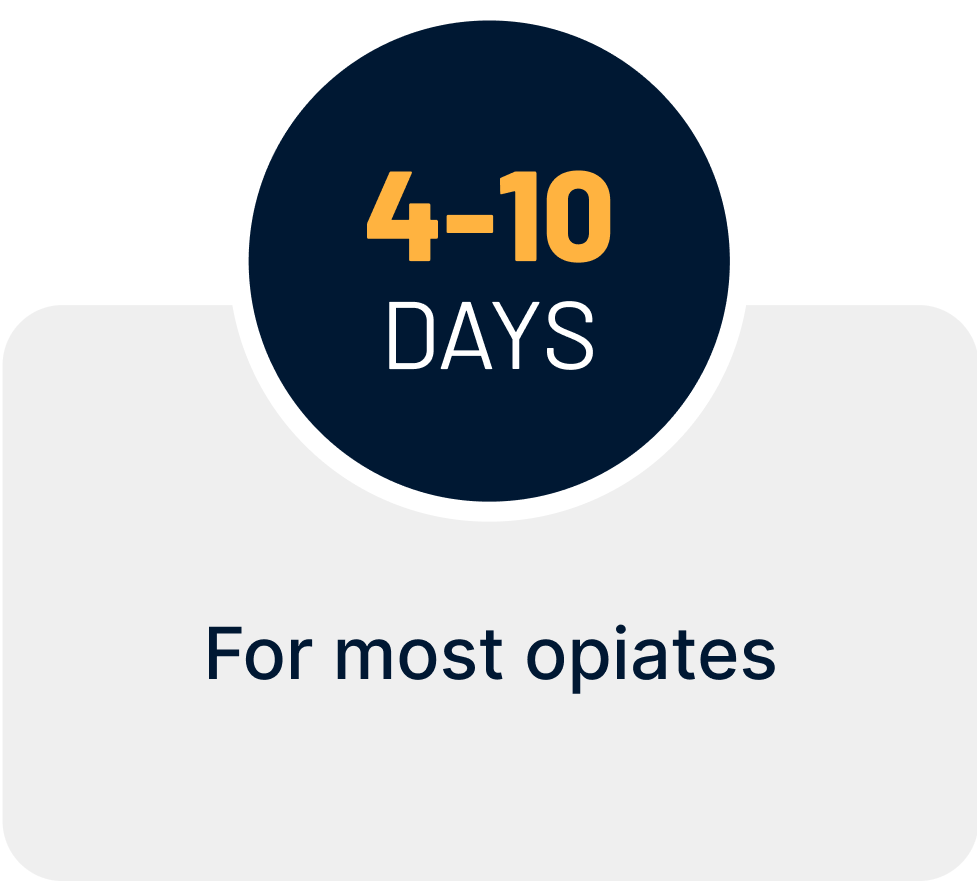
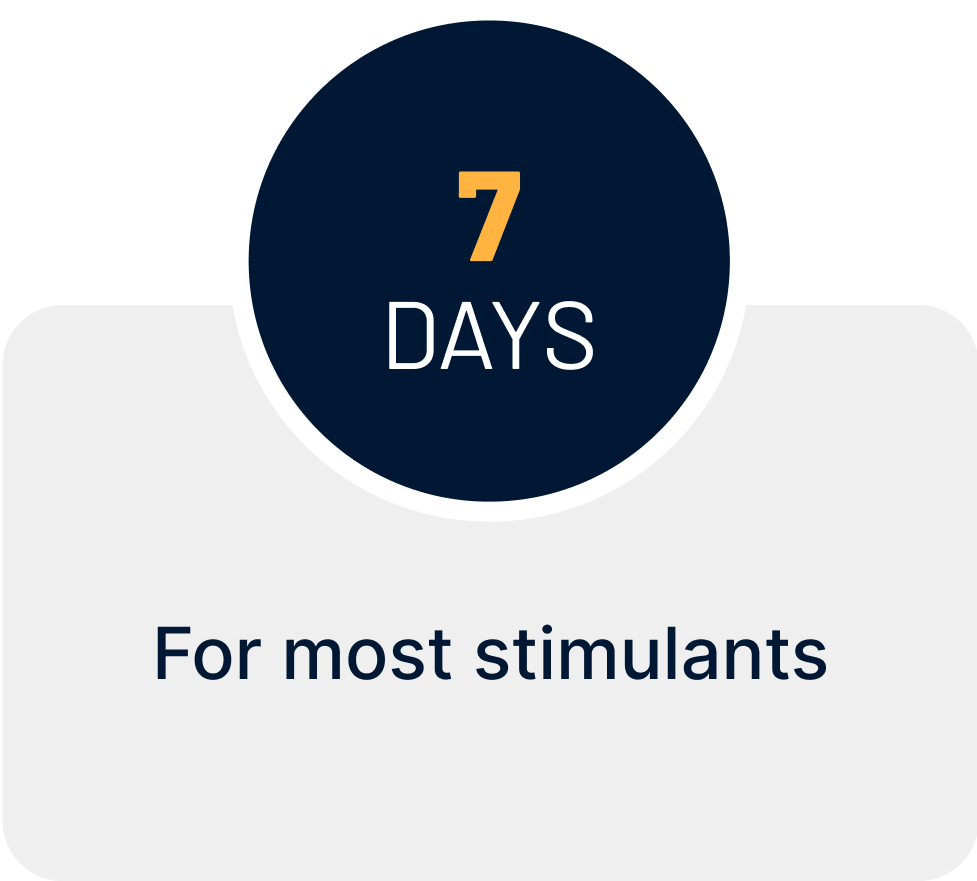
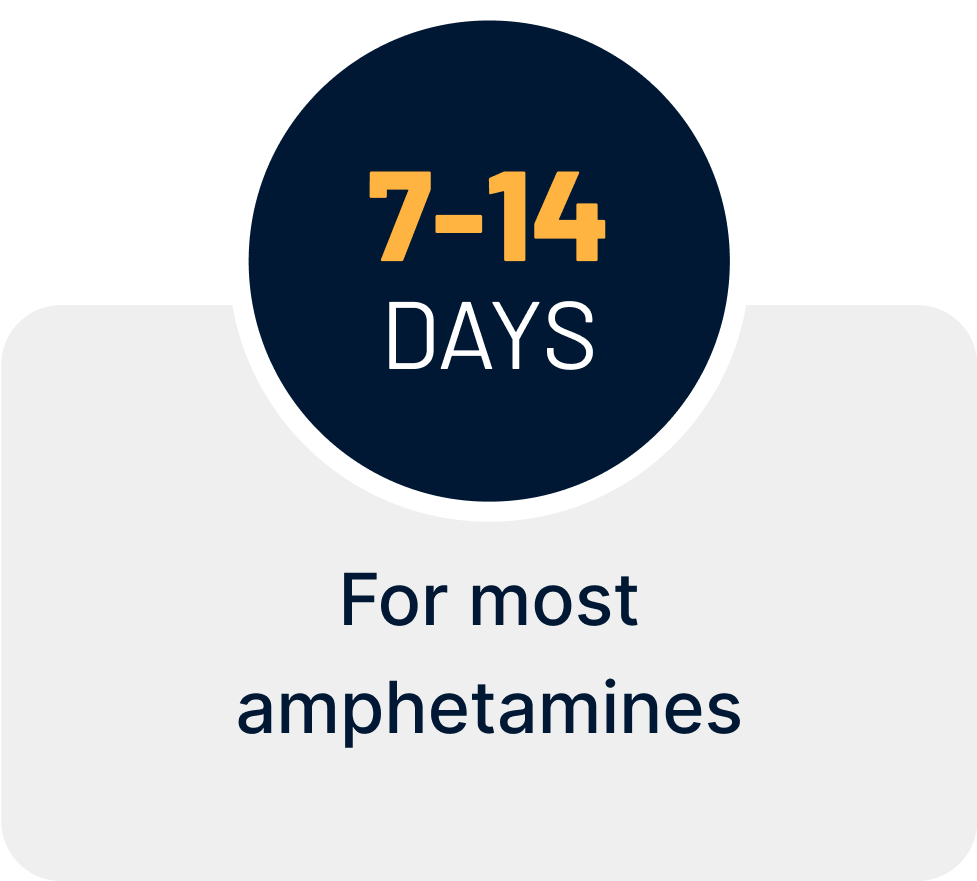
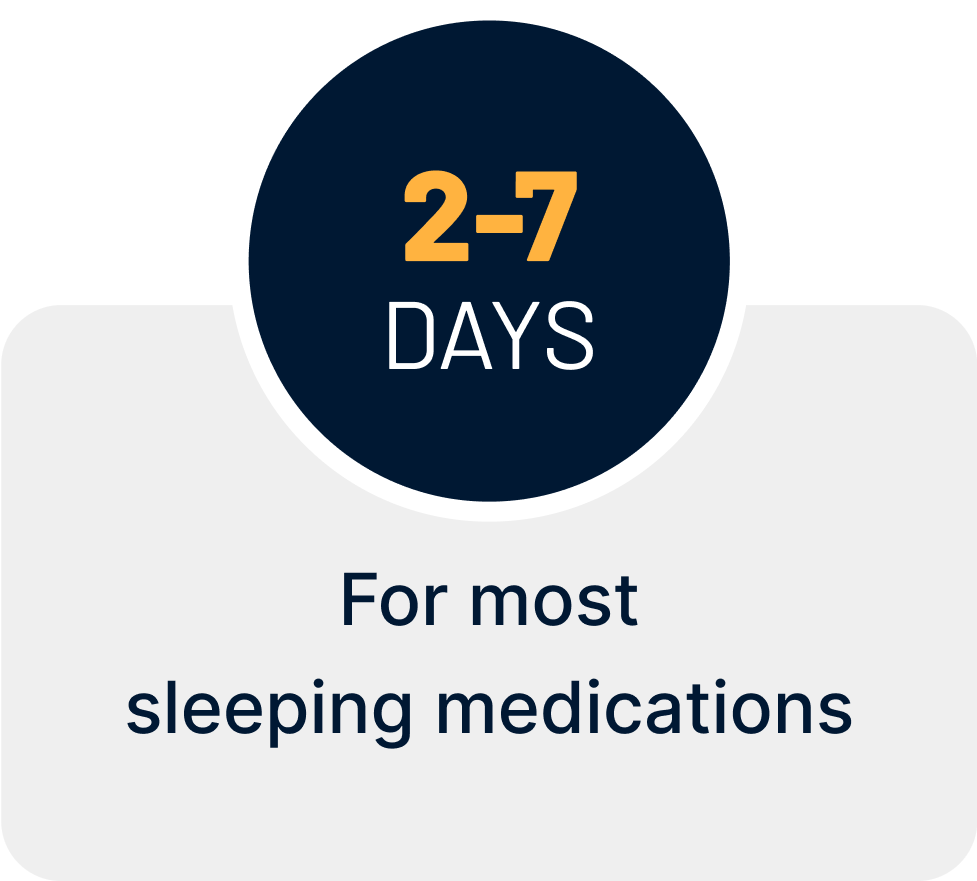
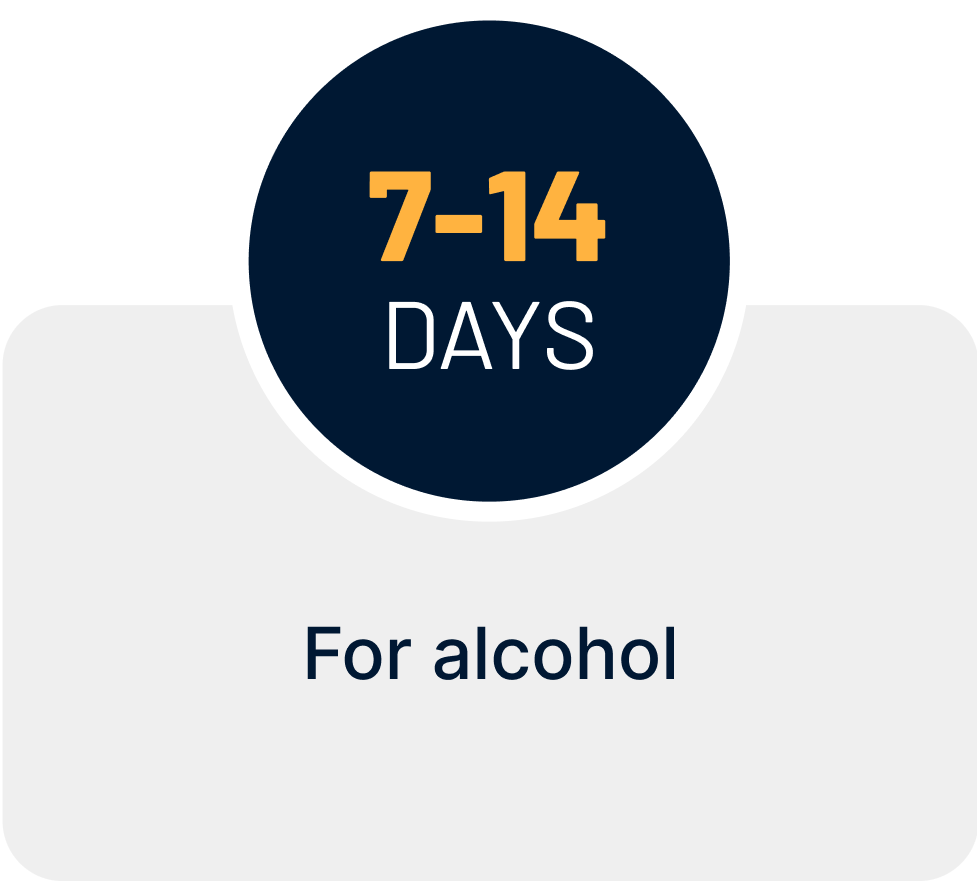
In addition, if you’re addicted to a benzodiazepine, you may be asked to go onto a tapering schedule. This can significantly extend the detox period, because you will sometimes spend several weeks on detox instead of the standard 7-14 days.
Asana Recovery provides intimate residential treatment in Orange County, California, with no more than 6 clients per facility to ensure highly personalized care. Our comprehensive treatment approach combines evidence-based therapies with holistic healing methods to address addiction and co-occurring mental health disorders
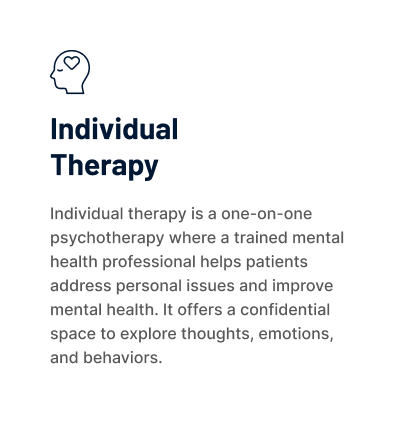
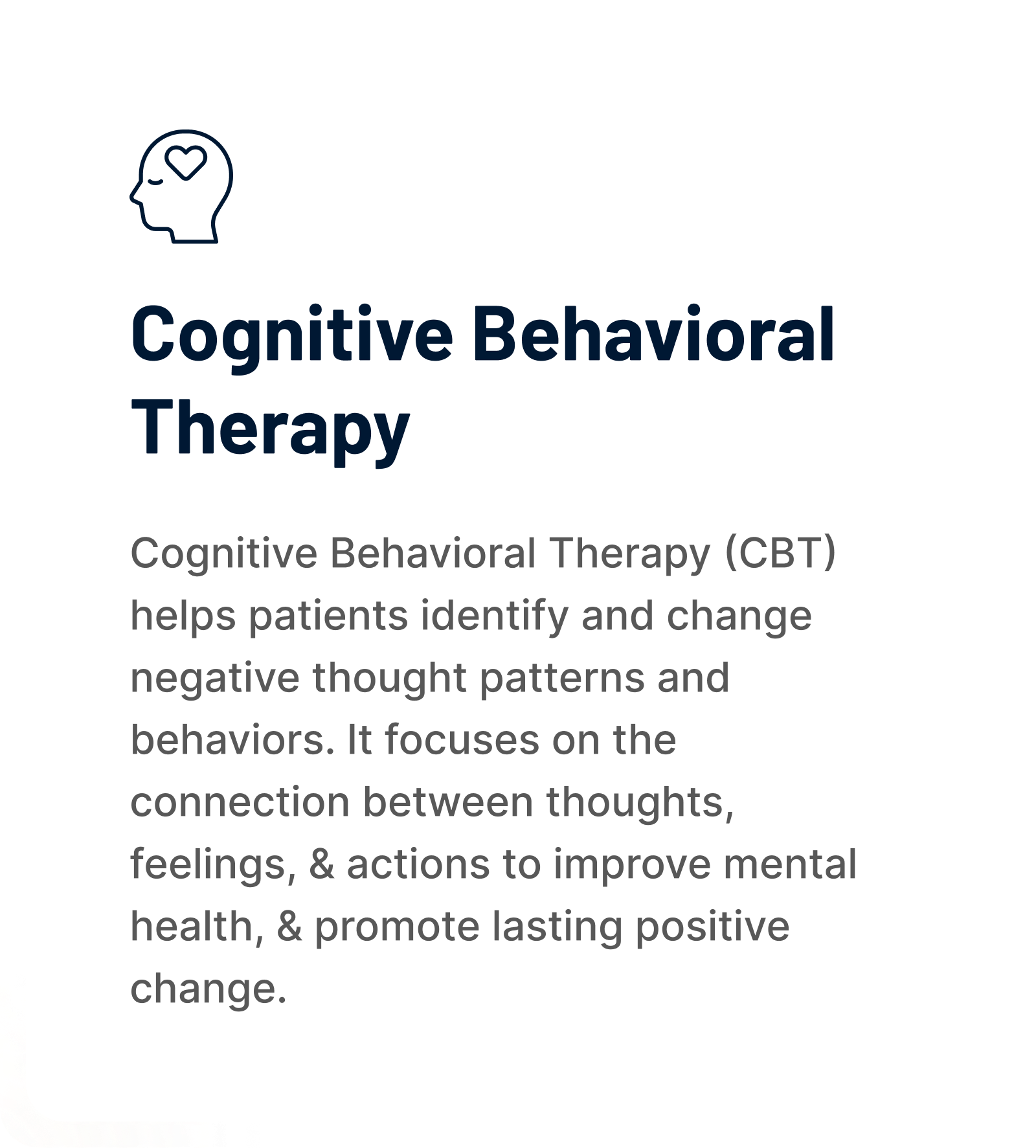
Our program utilizes multiple therapeutic modalities including Cognitive Behavioral Therapy (CBT), Dialectical Behavior Therapy (DBT), group therapy, and family therapy sessions. These core treatments are enhanced by holistic therapies such as art therapy, yoga, mindfulness practices, and recreational activities. Their biological, psychological, and social (BPS) approach creates an integrated healing environment where clients can develop essential recovery skills while receiving individualized attention from the clinical team.

Research shows that approximately 50% of individuals with substance use disorders have co-occurring mental health conditions. This high rate of comorbidity requires an integrated treatment approach, as both conditions significantly impact each other. When mental health issues go untreated, substance abuse typically worsens, and conversely, substance use can exacerbate mental health problems.
Many individuals develop substance use problems while attempting to self-medicate symptoms of depression, anxiety, or trauma. Studies indicate that only 8.3% of adults with co-occurring disorders receive integrated treatment for both conditions
The most effective approach is concurrent treatment of both mental health and addiction by the same clinical team, which leads to better outcomes, reduced relapse rates, and improved long-term recovery success.

Research shows that addressing physical health and nutrition during substance use disorder treatment is crucial for recovery success. Poor nutrition and physical health issues can lead to treatment dropout and increased relapse risk, while improvements in physical health enhance motivation and quality of life during addiction treatment.
Substance use typically leads to nutrient deficiencies, damaged organs, decreased immunity, and poor eating patterns. These issues can threaten both physical and mental health, impacting vital organs and the nervous system. Additionally, different substances affect nutrition and metabolism differently – opioids impact gastrointestinal function, stimulants reduce appetite, and alcohol can cause severe nutritional deficiencies.
Treatment at Asana Recovery includes a nutritional assessment, balanced meals, and physical health monitoring to support healing and maintain long-term recovery.

Research shows that addressing spiritual health during substance use disorder treatment is a significant factor in recovery success. Studies indicate that spirituality can be approached through various pathways, including traditional 12-step programs like AA, secular programs like SMART Recovery, or holistic approaches that integrate mind, body, and spirit connections.
While AA emphasizes spiritual awakening as a key recovery mechanism, SMART Recovery offers a science-based alternative that allows individuals to incorporate their own spiritual beliefs as they see fit. Holistic approaches acknowledge that spiritual wellness, alongside physical and mental health, plays a vital role in comprehensive healing
Studies demonstrate that individuals who engage in spiritual practices during treatment show better outcomes, regardless of their chosen spiritual path. The key is providing options that respect individual beliefs.
A mental health disorder will almost always mean that you need long-term care and treatment to stay in recovery. At Asana Recovery, we understand that you should always have someone to talk to in case things go wrong. Mental health disorders will always mean that you will have bad days, you are more vulnerable to relapse, and you need ongoing mental healthcare and counseling. Asana Recovery can help you on this journey, offering support, ongoing counseling, and help finding local support groups.
Every aspect of dual diagnosis treatment has to be personalized to treat your specific mental health problems, as they impact you when you move into treatment and as you progress through treatment. At Asana Recovery, we take that seriously.


Partial Hospitalization Program (PHP) is an intensive outpatient treatment option that bridges the gap between inpatient care and traditional outpatient services. The program typically operates 5-7 days per week, with sessions lasting 4-6 hours daily, providing a minimum of 20 hours of weekly treatment.
During PHP, patients receive comprehensive care including individual therapy, group therapy, medication management, and psychiatric services while returning home each evening. This allows them to maintain daily responsibilities while receiving structured treatment. The program is ideal for individuals who have completed inpatient care, need more support than traditional outpatient treatment, or have a stable living environment but require intensive therapeutic intervention.
Intensive Outpatient Program (IOP) is a structured treatment option that bridges the gap between inpatient care and traditional outpatient services. The program typically provides 9-19 hours of weekly treatment while allowing clients to maintain their daily responsibilities like work, school, or family obligations.
IOP offers comprehensive care through various therapeutic interventions, including individual counseling, group therapy, family therapy, and psychoeducation sessions. Treatment focuses on substance use disorders, mental health conditions, or co-occurring disorders that don’t require 24-hour supervision or medical detoxification..

Start your recovery journey with us at Asana Recovery, where we prioritize your well-being and provide a welcoming environment for you to heal.
Begin your healing journey today. Fill out the confidential form to find out if your insurance covers you for treatment.
Inpatient addiction treatment, also known as residential treatment, is a comprehensive approach to addiction recovery that offers individuals a structured, immersive environment to focus on their healing journey. This type of treatment requires patients to reside at a rehabilitation facility full-time, typically for a period ranging from 30 days to several months, depending on the individual’s needs and the severity of their addiction.
At its core, inpatient treatment provides 24/7 care and supervision, ensuring that individuals receive constant support throughout their recovery process. This round-the-clock attention is particularly crucial during the initial stages of treatment, especially during detoxification, when withdrawal symptoms can be most challenging and potentially dangerous. The continuous presence of medical professionals and addiction specialists allows for immediate intervention and adjustment of treatment plans as needed, significantly enhancing the safety and effectiveness of the recovery process.
One of the primary benefits of inpatient treatment is the creation of a supportive, controlled environment that minimizes exposure to triggers and distractions that might lead to relapse. By removing individuals from their everyday surroundings, which may include people, places, or situations associated with substance use, inpatient programs provide a safe space for patients to focus entirely on their recovery. This separation from potential triggers is often crucial in breaking the cycle of addiction and establishing a strong foundation for long-term sobriety.
The structured nature of inpatient treatment is another key advantage. Patients follow a carefully designed daily schedule that includes a variety of therapeutic activities, such as individual counseling sessions, group therapy, educational workshops, and holistic treatments like yoga or art therapy. This structured routine not only keeps individuals engaged and focused on their recovery goals but also helps in developing healthy habits and coping mechanisms that are essential for maintaining sobriety after leaving the facility.
Moreover, inpatient treatment fosters a sense of community among patients. Living alongside others who are facing similar challenges creates an atmosphere of mutual understanding and support. This peer support can be incredibly motivating and helps to alleviate feelings of isolation that often accompany addiction. Group therapy sessions and shared activities provide opportunities for individuals to learn from one another’s experiences, share coping strategies, and build a network of support that can extend beyond the treatment period.
Inpatient rehab is a type of addiction treatment where patients reside at a rehabilitation facility 24/7, receiving targeted care and support for their substance use disorder or mental health condition. Inpatient rehab programs are designed to provide a structured environment, removing outside influences and distractions, and offering access to a team of trained addiction treatment professionals. These programs typically include a combination of medical treatment, counseling, and therapy, and may be tailored to meet the individual needs of each patient.
The immersive nature of inpatient rehab allows individuals to focus entirely on their recovery, free from the triggers and stressors of their everyday lives. This comprehensive approach ensures that all aspects of a person’s health—physical, mental, and emotional—are addressed, providing a solid foundation for long-term sobriety. Inpatient rehab programs often incorporate evidence-based therapies, holistic practices, and a supportive community, all of which play a crucial role in the recovery process.
Inpatient treatment offers a comprehensive approach to addiction recovery, providing individuals with a structured and supportive environment to focus on their healing journey. This intensive form of care comes with several key advantages that can significantly impact the success of one’s recovery process, especially for those dealing with drug and alcohol addiction.
One of the primary benefits of inpatient treatment is the provision of safety and round-the-clock supervision. This constant medical care is particularly crucial during the initial stages of recovery, especially during detoxification. The detox process can be physically and emotionally challenging, often accompanied by severe withdrawal symptoms that require careful monitoring. In an inpatient setting, medical professionals are available 24/7 to manage these symptoms, ensure patient comfort, and address any complications that may arise. This level of care not only enhances the safety of the detox process but also provides patients with peace of mind, knowing that help is always at hand.
Another significant advantage of inpatient treatment is the distance it creates from triggers and toxic environments. By removing individuals from their usual surroundings, which may be associated with substance use, inpatient programs provide a crucial buffer against relapse. This separation allows patients to focus entirely on their recovery without the distractions and temptations that might be present in their home environment. The controlled setting of an inpatient facility minimizes exposure to people, places, or situations that could potentially trigger cravings or compromise one’s commitment to sobriety. This break from everyday stressors and triggers is often essential in helping individuals build a strong foundation for long-term recovery.
The supportive community aspect of inpatient treatment plays a vital role in the recovery process. Within the facility, patients are surrounded by peers who are facing similar challenges, creating an atmosphere of mutual understanding and support. This sense of community can be incredibly motivating and helps to alleviate feelings of isolation that often accompany addiction. Group therapy sessions and shared activities provide opportunities for individuals to learn from one another’s experiences, share coping strategies, and build a network of support that can extend beyond the treatment period.
Professional support is another cornerstone of inpatient treatment. Patients have access to a multidisciplinary team of experts, including doctors, nurses, therapists, and counselors, who collaborate to deliver personalized care. This team approach ensures that all aspects of an individual’s health – physical, mental, and emotional – are addressed comprehensively. The intensive therapy provided in inpatient settings, including individual counseling, group sessions, and specialized treatments, allows for deep exploration of the root causes of addiction and the development of effective coping mechanisms.
Inpatient treatment for addiction is a comprehensive and intensive approach to recovery that can be life-changing for many individuals struggling with substance use disorders. While outpatient programs can be effective for some, there are certain circumstances where the structured environment and round-the-clock care of an inpatient facility become necessary.
One of the most common indicators for inpatient care is the presence of severe drug or alcohol addiction or a pattern of repeated relapse. When an individual’s substance use has escalated to a point where it significantly impairs their daily functioning, or if they have made multiple attempts at recovery only to fall back into old patterns, inpatient treatment may provide the level of support and supervision needed to break the cycle.
The controlled environment of an inpatient facility can help individuals focus entirely on their recovery without the distractions and temptations of their usual surroundings.
Another crucial factor that may necessitate inpatient treatment is a toxic or unsupportive home environment. For many individuals struggling with addiction, their living situation may be a significant contributor to their substance use. This could involve living with others who use drugs or alcohol, or being in an environment that is stressful, abusive, or otherwise detrimental to recovery efforts. Inpatient treatment offers a safe haven where individuals can distance themselves from these negative influences and focus on healing in a supportive atmosphere.
The presence of co-occurring mental health conditions is also a strong indicator for inpatient treatment. Many individuals with substance use disorders also struggle with mental health issues such as depression, anxiety, or post-traumatic stress disorder. These dual diagnoses can complicate the recovery process and often require specialized care. Inpatient facilities are equipped to provide integrated treatment that addresses both the addiction and the underlying mental health concerns simultaneously, offering a more comprehensive approach to healing.
Failed outpatient attempts are another sign that inpatient treatment may be necessary. While outpatient programs can be effective for many individuals, some may find that they need a higher level of care to achieve and maintain sobriety. If an individual has participated in outpatient treatment but continues to struggle with substance use, transitioning to an inpatient program can provide the additional structure and support needed to overcome addiction.
It’s important to note that the decision to enter inpatient treatment should be made in consultation with healthcare professionals who can assess an individual’s specific needs and circumstances. Factors such as the severity of addiction, physical health, social support system, and personal responsibilities all play a role in determining the most appropriate level of care.
Inpatient drug rehab provides a structured, supportive environment where individuals can focus entirely on their recovery journey. A typical day in an inpatient facility is carefully designed to maximize therapeutic benefits while ensuring a balanced approach to healing. Here’s what you can expect during your stay:
The day usually begins early, around 7:00 AM, with wake-up and personal hygiene routines. Breakfast follows, often served between 8:00 AM and 9:00 AM, providing a nutritious start to the day. Morning activities might include meditation or light exercise to promote physical and mental well-being.
From mid-morning to lunch, patients engage in individual or group therapy sessions. These could involve cognitive behavioral therapy (CBT), a cornerstone of addiction treatment that helps individuals identify and change negative thought patterns and behaviors associated with substance use. CBT is particularly effective in developing coping strategies and preventing relapse.
After lunch, the afternoon is typically filled with a variety of therapeutic activities. Dialectical behavior therapy (DBT) sessions may be scheduled, focusing on mindfulness, distress tolerance, emotion regulation, and interpersonal effectiveness. DBT is especially beneficial for those struggling with emotional dysregulation alongside addiction.
Motivational interviewing (MI) is another crucial component of inpatient treatment. This client-centered approach helps individuals resolve ambivalence about change and find their internal motivation for recovery. MI sessions are often interspersed throughout the week, reinforcing the individual’s commitment to sobriety.
Many inpatient programs incorporate 12-Step facilitation, introducing patients to the principles of programs like Alcoholics Anonymous or Narcotics Anonymous. These sessions typically occur in the late afternoon or evening, fostering a sense of community and mutual support among residents.
Alternative and holistic therapies play an increasingly important role in comprehensive addiction treatment. Art therapy sessions might be offered, allowing patients to express themselves creatively and process emotions non-verbally. Yoga classes are often scheduled in the late afternoon, promoting physical health and mindfulness. Mindfulness meditation sessions may cap off the day, helping patients cultivate present-moment awareness and stress reduction skills.
For those requiring medical support during withdrawal or to manage cravings, medication-assisted treatment (MAT) is integrated into the daily routine. Medications such as buprenorphine or naltrexone may be administered under close medical supervision, complementing the psychosocial aspects of treatment.
Family therapy sessions are typically scheduled weekly, recognizing the crucial role of family support in long-term recovery. These sessions aim to improve communication, address family dynamics, and educate loved ones about addiction and recovery.
Group therapy remains a cornerstone of inpatient treatment, occurring multiple times throughout the day. These sessions provide peer support, opportunities for shared learning, and practice in interpersonal skills essential for maintaining sobriety.
Evenings in inpatient treatment often include leisure time, allowing patients to relax, reflect, and engage in recreational activities. Some facilities offer educational workshops or guest speakers in the evening hours. The day usually concludes with a group check-in or goal-setting session, followed by quiet time and lights out, typically around 10:00 PM.
This comprehensive approach to inpatient treatment, combining evidence-based therapies, holistic practices, and a structured daily routine, provides individuals with the tools and support needed to build a strong foundation for lasting recovery. The immersive nature of inpatient care allows for intensive focus on healing, free from the distractions and triggers of the outside world, setting the stage for successful long-term sobriety.

The admissions process for inpatient rehab typically begins with a confidential phone assessment or online inquiry. During this initial contact, a recovery expert will evaluate whether inpatient treatment is the most appropriate level of care for the individual. This assessment helps to determine the severity of the substance use disorder and any co-occurring mental health conditions.
Once the need for inpatient rehab is established, the expert will assist in coordinating insurance benefits and scheduling the admission. Patients may be required to provide detailed medical and mental health history, as well as information about their substance use disorder or addiction. This comprehensive evaluation ensures that the treatment plan is tailored to the individual’s specific needs.
The admissions process may also involve a thorough assessment of the patient’s physical and mental health, including a medical evaluation and psychological screening. This step is crucial for developing a personalized treatment plan that addresses all aspects of the patient’s well-being, setting the stage for a successful recovery journey.
Inpatient rehab programs may offer specialized treatment tracks tailored to different demographics and specific needs. These specialized programs ensure that each patient receives the most appropriate care for their unique situation, enhancing the effectiveness of the treatment.
For instance, some inpatient rehab centers provide programs specifically designed for adolescents, adults, or seniors. These age-specific programs address the unique challenges and developmental stages of each group, offering targeted support and therapy.
Additionally, inpatient rehab centers may offer gender-informed programs, where patients are placed with peers based on their gender identity. This approach can create a more comfortable and supportive environment, allowing individuals to focus on their recovery without additional stress.
Specialized inpatient treatment programs may also cater to specific issues such as trauma, anxiety, or depression. These programs often include:
When it comes to addiction treatment, understanding the differences between inpatient and outpatient care is crucial for making an informed decision about the best path to recovery. Outpatient care is an essential component of the continuum of care, offering flexibility for individuals who need treatment but cannot commit to a full-time residential program. This type of care allows patients to attend therapy sessions and receive treatment during scheduled times while continuing to live at home and maintain their daily responsibilities.
The key differences between inpatient and outpatient care lie in their intensity, structure, and living arrangements. Inpatient treatment provides a highly structured environment with 24/7 support and supervision, removing patients from potential triggers and distractions. Patients live at the facility full-time, immersing themselves in the recovery process. Outpatient care, on the other hand, offers more flexibility, with patients attending treatment sessions several times a week while living at home. This option is often suitable for those with milder addictions or as a step-down from inpatient care.
The inpatient addiction treatment cost can vary widely depending on several factors, including the facility’s location, amenities, length of stay, and specific services offered. On average, a 30-day inpatient program can range from $5,000 to $80,000 or more. Luxury facilities or those offering specialized treatments may be on the higher end of this spectrum.
Insurance coverage for addiction treatment has improved significantly in recent years, with many private insurance plans and public programs like Medicaid and Medicare offering some level of coverage for inpatient rehab. The extent of coverage can vary, so it’s essential to verify benefits with your insurance provider. For those without insurance or facing high out-of-pocket costs, many treatment centers offer financial assistance options, such as sliding scale fees, payment plans, or scholarships.
While the cost of inpatient treatment may seem daunting, it’s important to consider the long-term value of investing in recovery. Effective treatment can lead to improved physical and mental health, restored relationships, increased productivity, and overall better quality of life. The costs associated with ongoing addiction, including healthcare expenses, legal issues, and lost productivity, often far outweigh the investment in treatment.
Inpatient drug detoxification is a critical first step in the inpatient treatment process, especially for individuals with severe substance dependencies. The detox process involves safely managing withdrawal symptoms as the body clears itself of drugs or alcohol. This phase is crucial because withdrawal can be not only uncomfortable but also potentially dangerous or life-threatening in some cases.
During inpatient detox, patients receive round-the-clock medical supervision to ensure safety and comfort. Medical professionals can administer medications to alleviate withdrawal symptoms and manage any complications that may arise. The detox process typically lasts 5-7 days but can vary depending on the substance used and the individual’s physical condition.
Safety protocols during detox are rigorous and may include regular monitoring of vital signs, medication management, nutritional support, and psychological care. The controlled environment of an inpatient facility allows for immediate medical intervention if needed, significantly reducing the risks associated with withdrawal.
After completing an inpatient rehab program, ongoing support is crucial for maintaining sobriety and continuing the recovery journey. Aftercare and follow-up treatment provide this essential support, helping individuals transition back to their daily lives while staying committed to their recovery goals.
Aftercare programs may include outpatient treatment sessions, where patients continue to receive therapy and support on a less intensive basis. Support group meetings, such as those offered by Alcoholics Anonymous or Narcotics Anonymous, provide a community of peers who understand the challenges of recovery and offer mutual support.
Individual counseling and family therapy can also play a significant role in aftercare, addressing any ongoing issues and strengthening relationships. Relapse prevention planning is another critical component, equipping individuals with strategies and tools to manage triggers and avoid relapse.
Follow-up treatment may involve regular check-ins with a treatment provider, medication management, and ongoing support from a recovery coach or sponsor. These measures ensure that individuals have the resources and guidance needed to maintain their sobriety and achieve long-term recovery.
By participating in aftercare and follow-up treatment, individuals can build on the progress made during inpatient rehab, fostering a sustainable and fulfilling life in recovery.
Asana Recovery stands out in the field of addiction treatment for its commitment to personalized care and comprehensive approach to recovery. Their treatment philosophy, known as the “Asana Way,” emphasizes tailored treatment plans that address each individual’s unique needs and challenges. This personalized approach ensures that clients receive the most effective combination of therapies and support for their specific situation.
One of Asana Recovery’s key strengths is its small client-to-staff ratio, which allows for more individualized attention and support throughout the treatment process. They offer a wide range of evidence-based therapies alongside holistic approaches, including art therapy, yoga, and mindfulness practices, providing a well-rounded treatment experience that addresses both the physical and psychological aspects of addiction.
Asana Recovery’s expertise in dual-diagnosis treatment is particularly noteworthy. They recognize the complex relationship between substance use disorders and co-occurring mental health conditions, offering integrated treatment that addresses both issues simultaneously for more comprehensive healing.
Located in the heart of Orange County, California, Asana Recovery benefits from its proximity to serene natural environments. The facility’s location offers a peaceful backdrop for recovery, with access to beaches and parks that can play a therapeutic role in the healing process. This setting, combined with Asana’s structured program, creates an ideal environment for individuals to focus on their recovery journey.
Determining whether your insurance plan covers addiction treatment is a crucial step in accessing the care you need. Many health insurance providers offer coverage for inpatient and residential rehab, but understanding the specifics of your plan can help you avoid unexpected costs. Here’s what you need to know.
Unfortunately, insurance providers don’t always approve requests for addiction treatment. Here are some common reasons for denial:
If your insurance denies coverage, appeal the decision. With the help of the rehab facility’s staff, you can often provide additional documentation or negotiate for reconsideration.
For white-collar professionals, taking time off for inpatient treatment can be a significant concern. The Family and Medical Leave Act (FMLA) provides crucial protections that ensure your job security while you focus on recovery.
The FMLA allows eligible employees to take up to 12 weeks of unpaid, job-protected leave for specified medical conditions, including substance use disorders. This means you can attend inpatient rehab without fear of losing your job or health benefits, provided you meet the eligibility criteria:
While FMLA offers valuable protections, it’s not automatic. Here are some situations where FMLA might not apply:
White-collar professionals often face unique pressures that can lead to substance abuse, including long hours, high stress, and demanding work environments. It’s important to know that seeking help doesn’t mean sacrificing your career. By leveraging FMLA and insurance benefits, you can take the necessary steps toward recovery while maintaining your professional responsibilities.
At Asana Recovery, we specialize in helping professionals navigate these complexities. Our admissions team works with you to verify insurance coverage and provide the documentation required for FMLA leave. We also offer discreet services to ensure your privacy throughout the process.
Asana Recovery is committed to providing personalized inpatient treatment for professionals seeking to regain control of their lives. Located in beautiful Orange County, our residential programs combine evidence-based therapies with holistic practices, creating a well-rounded approach to recovery for individuals diagnosed with substance use disorders, including alcohol addiction. Whether you’re verifying insurance, applying for FMLA leave, or looking for a supportive community, Asana Recovery is here to help.
Take the first step today. Contact Asana Recovery to verify your insurance or learn more about how FMLA can protect your career while you focus on recovery. Don’t wait—lasting sobriety is within reach.
Inpatient and residential treatment are often used interchangeably, but there can be slight differences. Inpatient treatment typically refers to a hospital-based setting with more intensive medical care, while residential treatment offers a home-like environment for longer-term stays. Both provide 24/7 care and support.
Inpatient drug rehab centers are effective options for individuals struggling with substance use disorders. To find an inpatient rehab nearby, you can start by consulting your healthcare provider, searching online directories, or contacting your insurance company for in-network facilities. Local addiction support groups and community health centers can also be valuable resources for recommendations.
Relapse during treatment is viewed as part of the recovery process rather than a failure. If a relapse occurs, the treatment team will reassess and adjust the treatment plan as needed, potentially intensifying certain therapies or addressing underlying issues that may have contributed to the relapse.
Many inpatient programs, including Asana Recovery, recognize the importance of family support in the recovery process. Family involvement is often encouraged through family therapy sessions, educational programs, and visitation opportunities, all designed to foster healing and understanding within the family unit.

Asana Recovery is licensed and certified by the State Department of Health Care Services.
© Copyright 2024 Asana Recovery™ | All Rights Reserved | Privacy Policy
Asana Recovery
We firmly believe that the internet should be available and accessible to anyone, and are committed to providing a website that is accessible to the widest possible audience, regardless of circumstance and ability.
To fulfill this, we aim to adhere as strictly as possible to the World Wide Web Consortium’s (W3C) Web Content Accessibility Guidelines 2.1 (WCAG 2.1) at the AA level. These guidelines explain how to make web content accessible to people with a wide array of disabilities. Complying with those guidelines helps us ensure that the website is accessible to all people: blind people, people with motor impairments, visual impairment, cognitive disabilities, and more.
This website utilizes various technologies that are meant to make it as accessible as possible at all times. We utilize an accessibility interface that allows persons with specific disabilities to adjust the website’s UI (user interface) and design it to their personal needs.
Additionally, the website utilizes an AI-based application that runs in the background and optimizes its accessibility level constantly. This application remediates the website’s HTML, adapts Its functionality and behavior for screen-readers used by the blind users, and for keyboard functions used by individuals with motor impairments.
If you’ve found a malfunction or have ideas for improvement, we’ll be happy to hear from you. You can reach out to the website’s operators by using the following email
Our website implements the ARIA attributes (Accessible Rich Internet Applications) technique, alongside various different behavioral changes, to ensure blind users visiting with screen-readers are able to read, comprehend, and enjoy the website’s functions. As soon as a user with a screen-reader enters your site, they immediately receive a prompt to enter the Screen-Reader Profile so they can browse and operate your site effectively. Here’s how our website covers some of the most important screen-reader requirements, alongside console screenshots of code examples:
Screen-reader optimization: we run a background process that learns the website’s components from top to bottom, to ensure ongoing compliance even when updating the website. In this process, we provide screen-readers with meaningful data using the ARIA set of attributes. For example, we provide accurate form labels; descriptions for actionable icons (social media icons, search icons, cart icons, etc.); validation guidance for form inputs; element roles such as buttons, menus, modal dialogues (popups), and others. Additionally, the background process scans all the website’s images and provides an accurate and meaningful image-object-recognition-based description as an ALT (alternate text) tag for images that are not described. It will also extract texts that are embedded within the image, using an OCR (optical character recognition) technology. To turn on screen-reader adjustments at any time, users need only to press the Alt+1 keyboard combination. Screen-reader users also get automatic announcements to turn the Screen-reader mode on as soon as they enter the website.
These adjustments are compatible with all popular screen readers, including JAWS and NVDA.
Keyboard navigation optimization: The background process also adjusts the website’s HTML, and adds various behaviors using JavaScript code to make the website operable by the keyboard. This includes the ability to navigate the website using the Tab and Shift+Tab keys, operate dropdowns with the arrow keys, close them with Esc, trigger buttons and links using the Enter key, navigate between radio and checkbox elements using the arrow keys, and fill them in with the Spacebar or Enter key.Additionally, keyboard users will find quick-navigation and content-skip menus, available at any time by clicking Alt+1, or as the first elements of the site while navigating with the keyboard. The background process also handles triggered popups by moving the keyboard focus towards them as soon as they appear, and not allow the focus drift outside it.
Users can also use shortcuts such as “M” (menus), “H” (headings), “F” (forms), “B” (buttons), and “G” (graphics) to jump to specific elements.
We aim to support the widest array of browsers and assistive technologies as possible, so our users can choose the best fitting tools for them, with as few limitations as possible. Therefore, we have worked very hard to be able to support all major systems that comprise over 95% of the user market share including Google Chrome, Mozilla Firefox, Apple Safari, Opera and Microsoft Edge, JAWS and NVDA (screen readers).
Despite our very best efforts to allow anybody to adjust the website to their needs. There may still be pages or sections that are not fully accessible, are in the process of becoming accessible, or are lacking an adequate technological solution to make them accessible. Still, we are continually improving our accessibility, adding, updating and improving its options and features, and developing and adopting new technologies. All this is meant to reach the optimal level of accessibility, following technological advancements. For any assistance, please reach out to