
Getting sober in your twenties is one of the most courageous decisions you can make—but it also comes with unique challenges. Between college pressures, career building, social expectations, and ongoing brain development, young adults face obstacles in recovery that older adults simply don’t encounter. That’s why age-specific sober living environments make such a critical difference in long-term success.
At Asana Recovery, our young adult sober living homes in Orange County provide structured, supportive housing specifically designed for men and women ages 18-30 who are committed to building a sober life. Located in beautiful Huntington Beach, our recovery residences offer more than just a place to stay—they provide peer community, accountability, life skills development, and the foundation you need to thrive in early adulthood without drugs or alcohol.
Why Young Adults Need Specialized Sober Living
Young adults aren’t just “smaller versions” of older adults—they have fundamentally different developmental needs, social pressures, and recovery challenges. Research from the Substance Abuse and Mental Health Services Administration (SAMHSA) shows that young adults ages 18-25 have the highest rates of substance use disorders, yet only 1.3% receive treatment. Even more concerning, those who do complete treatment face extraordinary relapse risks without proper aftercare support.
The Unique Challenges of Getting Sober Young
Peer Pressure and Social Exclusion When your entire social circle revolves around parties, bars, and substance use, choosing sobriety can feel like choosing isolation. Young adults in recovery often face the painful decision between maintaining sobriety and losing their friend group. Whether it’s turning 21, attending college parties, or just going out on weekends, these situations create intense pressure that can derail recovery without proper support.
Ongoing Brain Development The human brain doesn’t reach full maturity until the mid-twenties, particularly the prefrontal cortex responsible for decision-making, impulse control, and judgment. This neurological reality means young adults naturally struggle more with the very skills most critical for maintaining sobriety. You’re not weak or flawed—your brain is literally still developing the capacity for the executive function needed in recovery.
Identity Formation Your twenties are when you figure out who you are, what you value, and what you want from life. When substance use has been central to your identity, removing it can feel like losing yourself. Young adults in recovery need space to discover who they are sober—to build a new identity based on authentic interests, values, and relationships rather than drug and alcohol use.
Life Transitions Whether you’re starting college, launching a career, navigating romantic relationships, or achieving financial independence, your twenties are packed with major life transitions. Each transition brings stress, uncertainty, and potential triggers. Having a stable, supportive sober living environment during these transitions dramatically improves your chances of staying sober through the challenges.
Stigma and Shame Many young adults feel they’re “too young” to have a drinking or drug problem, leading to shame about seeking help. The stigma of addiction treatment can feel especially heavy when you’re watching peers your age living “normal” lives. Age-specific sober living helps you see that you’re not alone—that thousands of young adults are building successful sober lives.
What Makes Our Young Adult Sober Living Different
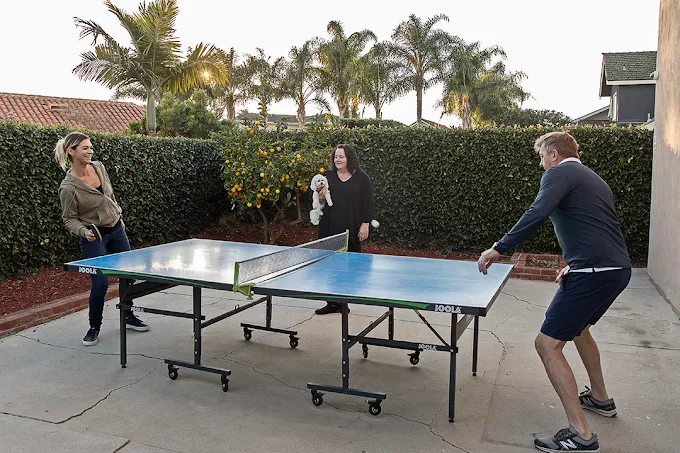
Our Orange County sober living homes aren’t just age-restricted housing—they’re specifically designed around the developmental, social, and practical needs of young adults in recovery.
Age-Appropriate Peer Community (Ages 18-30)
You’ll live with other young adults who understand exactly what you’re going through. Your housemates get the pressure of being sober at 21. They understand navigating college or early career while in recovery. They know what it’s like to rebuild a social life from scratch. This peer community becomes your new “friend group”—people who support your sobriety rather than threaten it.
Unlike sober living facilities that mix all ages, our young adult focus means:
- Shared life stage and generational experiences
- Age-appropriate social activities and recreation
- Peer relationships that feel natural, not forced
- Common ground in technology, culture, and communication styles
- Support from people facing the same life transitions you are
Integration with Treatment Programs
Our young adult sober living seamlessly integrates with Asana Recovery’s full continuum of care. This means you can combine structured housing with our outpatient treatment programs designed specifically for young adults:
Partial Hospitalization Program (PHP) – When you need intensive support (20-30 hours per week of treatment, 5-6 days weekly) while living in a safe, sober environment
Intensive Outpatient Program (IOP) – For step-down care (9-12 hours per week, 3 days weekly) that allows you to start work, school, or other responsibilities while maintaining strong clinical support
Outpatient Therapy – Ongoing individual therapy, group counseling, and support as you transition toward independent living
This integration ensures consistency between your living environment and your clinical care—everything works together toward your recovery goals rather than being separate, disconnected services.
Life Skills Development
Many young adults enter recovery without ever having lived independently or managed adult responsibilities. Our sober living program teaches practical life skills essential for successful independent living:
- Financial management – Budgeting, paying bills on time, building credit, managing rent and utilities
- Time management – Balancing work/school, recovery meetings, treatment, social time, and self-care
- Household responsibilities – Cooking, cleaning, grocery shopping, basic home maintenance
- Employment skills – Resume building, job searching, interviewing, maintaining employment
- Communication skills – Healthy conflict resolution, setting boundaries, asking for help
- Self-care practices – Sleep hygiene, nutrition, exercise, stress management
- Goal setting – Creating realistic plans for education, career, relationships, and personal growth
These aren’t just “life skills classes”—they’re real-world practice in a supportive environment where making mistakes is part of learning rather than a threat to your housing or recovery.
Academic and Career Support
Whether you’re returning to college, starting trade school, launching a career, or figuring out what comes next, our sober living environment supports your educational and vocational goals:
For College Students:
- Flexible schedules that accommodate class times and study needs
- Quiet study spaces and supportive living environment
- Coordination with campus resources and collegiate recovery programs
- Support navigating the college social scene while sober
- Help managing academic stress without turning to substances
For Career Builders:
- Assistance with job searching and application process
- Interview preparation and professional development
- Support maintaining employment while attending treatment
- Work schedules that complement treatment and recovery commitments
- Career counseling to identify long-term professional goals
For Those Exploring Options:
- Time and space to figure out your path without pressure
- Vocational assessment and career exploration resources
- Opportunities to try different jobs or volunteer experiences
- Support as you build the foundation for future success
Structured Freedom
Our sober living homes balance structure with independence—giving you enough accountability to stay safe while providing enough freedom to practice real-world recovery skills.
Structure includes:
- Zero-tolerance policy for drugs and alcohol
- Regular random drug testing
- Required attendance at 12-step or recovery support meetings
- Reasonable curfews that maintain safety while allowing flexibility
- House meetings and check-ins
- Shared household responsibilities
Freedom includes:
- Employment or school attendance during the day
- Social activities and weekend recreation
- Family visits and outside relationships
- Personal space and autonomy
- Technology and phone use
- Opportunity to build your own schedule
This balance prepares you for independent living while keeping you accountable during the vulnerable early months of recovery.
Daily Life in Young Adult Sober Living
A Typical Day
Morning (7:00-9:00 AM) Wake up in your comfortable bedroom (private or shared, based on preference). Share breakfast with housemates. Some mornings you might attend treatment at our nearby Fountain Valley facility. Other mornings you head to work, school, job interviews, or handle personal responsibilities.
Daytime (9:00 AM-5:00 PM) Your day depends on your stage of recovery and personal situation:
- Early Recovery (Weeks 1-4): Attending PHP 5-6 days per week, establishing routines, learning coping skills
- Step-Down Phase (Weeks 5-12): Attending IOP 3 days per week while starting part-time work or school
- Transition Phase (Week 13+): Working full-time or attending school full-time while maintaining weekly therapy and recovery support
Evening (5:00-10:00 PM) Return home to your sober living community. Attend 12-step meetings in the area (Orange County has hundreds of young people’s AA and NA meetings). Connect with housemates—sharing meals, playing games, watching movies, working out, or just hanging out. Participate in house meetings or community activities. Practice the recovery skills you’re learning in treatment.
Weekend Greater flexibility for recreation, family visits, recovery meeting attendance, exercise, and social activities—all within the supportive structure of sober living. Weekend activities might include beach time in Huntington Beach, hiking in Orange County parks, attending young people’s recovery conventions, or participating in sober social events with your house community.
Community and Social Connection
One of the most powerful aspects of young adult sober living is the community you become part of. Unlike the isolation many young adults feel in early recovery, our sober living homes create natural opportunities for connection:
- Built-in friend group of peers who share your commitment to sobriety
- Shared experiences that create deep bonds and lasting friendships
- Accountability partners who understand your struggles and celebrate your wins
- Sober social activities that show you fun doesn’t require substances
- Recovery mentorship from those slightly ahead of you in the journey
- Sense of belonging that replaces the social connection substances once provided
Many young adults find that the friendships formed in sober living become some of the most meaningful relationships of their lives—people who knew them at their most vulnerable and still chose to support them unconditionally.
Who Benefits from Young Adult Sober Living
Post-Treatment Transition
You’ve completed detox and residential treatment. You’ve learned about triggers, developed coping skills, and committed to recovery. But returning directly home—especially if your home environment involves active substance use, enabling relationships, or lack of recovery support—feels too risky. Young adult sober living provides the bridge between intensive treatment and independent living, giving you time to practice your new skills in a supportive environment before facing the full challenges of “real life.”
College Students in Recovery
You want to continue your education, but the college environment is saturated with alcohol and drug culture. Or you left school due to substance use and want to return to finish your degree. Our sober living provides a recovery-focused home base while you attend local community colleges, universities, or online programs. You get the college experience without the substance-soaked dorm culture that threatens sobriety.
Career Starters
You’re ready to enter the workforce or are already employed but need a stable, supportive living situation while building your career. Our sober living allows you to maintain full-time employment while still having recovery support, accountability, and a sober community to come home to after work.
Those with Unstable Home Environments
Your current family situation involves active addiction, codependency, enabling behaviors, or toxic relationships that threaten your sobriety. You love your family, but you’re not ready to live at home without risking relapse. Our sober living gives you a clean slate in a recovery-focused environment while you work on family relationships from a healthier distance.
Previous Relapse After Treatment
You’ve been through treatment before—maybe even multiple times. You stayed sober for a while, but relapsed when you returned to your old environment without adequate support. This time, you’re committed to doing recovery differently by adding the protection of structured sober living while building a stronger foundation.
Out-of-Area Clients
You’re traveling to Orange County specifically for quality addiction treatment and need local recovery housing during your stay. Our sober living coordinates seamlessly with our treatment programs to provide comprehensive care throughout your recovery journey.
Extended Recovery Support
You’ve achieved initial sobriety but want to solidify your recovery foundation by living in a sober community for 6-12+ months. Research shows that longer stays in structured sober living dramatically improve long-term sobriety outcomes, and you’re committed to giving yourself the best possible chance at lasting recovery.
The Science Behind Young Adult Sober Living Success
Research consistently demonstrates that structured sober living dramatically improves recovery outcomes, especially for young adults. Here’s what the evidence shows:
Relapse Prevention Studies indicate that 40-60% of individuals relapse within 30 days after leaving treatment, and up to 85% relapse within the first year. Structured sober living drastically reduces these rates by providing:
- Ongoing accountability through drug testing
- Peer support from others committed to sobriety
- Structure and routine during vulnerable early recovery
- Safe environment free from substance availability
- Continued connection to recovery resources
Improved Life Outcomes Research on recovery residences shows that residents experience:
- Higher employment rates compared to those without sober living support
- Better academic performance and higher college retention rates
- Reduced criminal justice involvement
- Improved mental health and overall wellbeing
- Stronger family relationships and social support networks
Why It Works for Young Adults The developmental stage of young adulthood makes peer influence exceptionally powerful—for better or worse. In active addiction, peer influence drove substance use. In sober living, peer influence supports recovery. When everyone in your living environment is committed to sobriety, choosing not to use becomes the norm rather than the exception.
Our Orange County Location Advantage

Huntington Beach and Orange County offer ideal conditions for young adult recovery:
Massive Recovery Community Orange County has one of the largest recovery communities in California. There are literally hundreds of AA and NA meetings every week, including numerous young people’s meetings specifically for those in their twenties. You’ll find:
- Young people’s conventions and recovery events
- Sober social activities and recreational opportunities
- Recovery mentors and sponsors who understand young adult challenges
- Alumni networks and ongoing support systems
Healthy Lifestyle Options Year-round sunshine, beach access, hiking trails, fitness facilities, and endless outdoor recreation support physical health and mental wellness—both crucial for recovery. The California coast lifestyle naturally promotes health, activity, and wellbeing.
Employment Opportunities Orange County’s diverse economy provides job opportunities across industries, making it easier to find employment that supports your recovery schedule and financial independence. From entry-level positions to career launches, the job market offers options for young adults at every stage.
Educational Access Multiple community colleges, universities, and vocational programs throughout Orange County provide educational opportunities. Whether you’re starting fresh, completing a degree, or exploring career training, the educational resources are here.
Integration with Asana Recovery Treatment
What truly sets our young adult sober living apart is the seamless integration with Asana Recovery’s comprehensive treatment services. Many standalone sober living homes provide housing but limited clinical support. We offer both—creating consistency between where you live and how you heal.
Combined Treatment + Housing Model
Phase 1: Stabilization (Weeks 1-4)
- Treatment: PHP with 20-30 hours per week of intensive therapy
- Housing: Move into sober living, establish routines, build house relationships
- Focus: Safety, stabilization, identifying triggers, learning coping skills
Phase 2: Skill Building (Weeks 5-12)
- Treatment: Step down to IOP with 9-12 hours per week, allowing greater independence
- Housing: Increased privileges, possibly begin part-time work, practice real-world recovery
- Focus: Applying skills, starting employment or education, relapse prevention
Phase 3: Independence (Week 13+)
- Treatment: Aftercare with weekly therapy, alumni group support, ongoing clinical resources
- Housing: Continue in sober living 3-6+ months while building savings, finding permanent housing
- Focus: Long-term planning, community integration, preparing for independent living
This phased approach ensures you’re never taking on more than you’re ready for, while constantly progressing toward greater independence and responsibility.
Dual Diagnosis Support
Many young adults struggle with co-occurring mental health disorders alongside addiction—anxiety, depression, PTSD, ADHD, bipolar disorder, and more. Our integrated model provides coordinated treatment for both substance use and mental health:
- Psychiatric evaluation and medication management
- Individual therapy addressing underlying mental health issues
- Evidence-based treatments like CBT, DBT, and trauma therapy
- Holistic approaches including mindfulness and wellness practices
Housing Options and Amenities
Our Huntington Beach sober living facilities provide comfortable, quality housing designed to feel like home—not an institution.
Bedroom Options:
- Private rooms for those wanting personal space
- Shared rooms with one roommate (popular among those who appreciate built-in accountability)
- Gender-specific housing ensuring safety and comfort
Home Amenities:
- Fully furnished common areas with comfortable seating
- Full kitchen facilities (residents share meal preparation responsibilities)
- Laundry access on-site
- Wi-Fi and utilities included in rent
- Parking available
- Outdoor spaces for relaxation and socializing
- Safe, residential neighborhood setting
Specialized Options:
- Pet-friendly accommodations for those with emotional support animals
- Couples housing for partners in recovery together (explore our couples sober living)
Cost and Affordability
We understand that cost is a major concern for young adults, many of whom are just starting to build financial independence.
Treatment Coverage
If you combine sober living with our outpatient treatment programs (IOP or PHP), most major insurance plans cover the treatment portion of your care:
- Individual therapy sessions
- Group counseling
- Psychiatric services and medication management
- Case management and care coordination
- Dual diagnosis treatment for co-occurring disorders
We accept Anthem, Aetna, Blue Cross Blue Shield, Cigna, and many other major insurance carriers. We verify your benefits upfront and work directly with your insurance company to maximize coverage.
Sober Living Investment
Sober living housing is typically not covered by insurance and requires out-of-pocket investment. However, we offer competitive rates for Orange County recovery housing, with options for different room configurations.
Making It Affordable:
- Many residents work part-time or full-time to cover housing costs (especially during IOP phase, which is only 9-12 hours per week of treatment)
- Family support for the first 2-3 months while getting established
- Payment plans and flexible arrangements available
- The investment in proper sober living is significantly less than the cost of relapse, hospitalization, or repeated treatment
For detailed pricing and payment options, call (949) 763-3440 for a confidential consultation.
House Rules and Expectations
Clear expectations create safety and allow everyone to thrive. Our young adult sober living homes maintain guidelines that protect the community while allowing personal growth:
Non-Negotiable Rules:
- Zero tolerance for drugs and alcohol – No substances on premises or in your system
- Random drug testing – Regular screening maintains accountability and house safety
- Meeting attendance – Required participation in 12-step or recovery support meetings
- Respectful conduct – Treating housemates, staff, and property with respect
- No violence or threats – Physical safety is paramount
Structure and Accountability:
- Curfews – Reasonable curfews that allow freedom while maintaining structure (often graduated based on length of stay and progress)
- House responsibilities – Shared chores like cleaning, cooking, yard work
- House meetings – Regular community meetings to address issues and celebrate progress
- Guest policies – Clear rules about visitors to maintain safety
Consequences:
Violations result in appropriate consequences based on severity:
- Minor infractions: Making amends, completing additional chores, written reflection
- Moderate violations: Loss of privileges, increased restrictions, community service
- Major violations: Probation, mandatory additional treatment, discharge from housing
The goal isn’t punishment—it’s accountability. We want you to succeed, and clear structure helps ensure everyone’s safety and recovery.
Getting Started with Our Young Adult Sober Living
Starting your journey in our Orange County young adult sober living is straightforward:
Step 1: Free Confidential Consultation
Call (949) 763-3440 to speak with our admissions team. We’ll discuss:
- Your substance use history and recovery needs
- What you’re looking for in sober living
- Whether our young adult program is right for you
- Your treatment needs (if combining with our PHP/IOP programs)
- Timeline and availability
Step 2: Insurance Verification (If Applicable)
If you’re interested in combining sober living with our outpatient treatment programs, we verify your insurance benefits within hours and explain your coverage in clear, understandable terms.
Step 3: Housing Placement
We discuss your preferences:
- Private vs. shared bedroom
- Any special needs or accommodations
- Timeline for move-in
- Coordination with any current treatment programs
Step 4: Move-In
We handle logistics to make your transition smooth, whether you’re coming from:
- Residential treatment facility
- Another state or city
- Your family home
- Another living situation
Step 5: Orientation
Upon arrival, you’ll:
- Meet house managers and staff
- Receive complete orientation to house rules and expectations
- Meet your housemates and get settled
- Review your individualized treatment and recovery plan
- Get connected to local resources and recovery meetings
Step 6: Ongoing Support
Throughout your stay, our team provides continuous support:
- Regular check-ins with house managers
- Coordination between housing and clinical care
- Connection to community resources
- Family involvement as appropriate
- Preparation for next steps as you approach transition
Life After Sober Living: Building Your Future
Our goal isn’t just to provide temporary housing—it’s to prepare you for thriving in long-term independent living and recovery. During your time in young adult sober living, you develop:
Sober Support Network The relationships you build—housemates, 12-step contacts, treatment peers, recovery mentors—become your ongoing support system. These connections continue long after you leave sober living, providing encouragement during challenges and celebration during successes.
Recovery Routines Daily habits and practices that maintain sobriety become second nature:
- Morning routines that start your day with intention
- Regular meeting attendance
- Healthy coping strategies for stress
- Self-care practices that support wellbeing
- Time management that balances responsibilities
Life Skills Practical abilities that allow you to live independently:
- Managing finances and meeting obligations
- Maintaining employment or educational pursuits
- Healthy communication in relationships
- Problem-solving and conflict resolution
- Self-advocacy and asking for help when needed
Relapse Prevention Tools Concrete strategies for handling triggers and high-risk situations:
- Recognizing early warning signs
- Having a relapse prevention plan
- Knowing who to call and what to do when struggling
- Understanding your personal triggers and vulnerabilities
- Confidence that you can stay sober even in difficult circumstances
Community Connections Integration into local recovery community resources:
- Established 12-step home group and sponsor relationship
- Connection to young people’s recovery events and activities
- Knowledge of local treatment resources if additional support needed
- Alumni relationships with Asana Recovery community
Confidence Perhaps most importantly, you develop proven confidence in your ability to maintain sobriety in real-world situations. You’ve successfully navigated challenges, built relationships, managed responsibilities, and stayed sober through it all. This confidence becomes the foundation for everything else you build in recovery.
Frequently Asked Questions
How long should I stay in young adult sober living?
Length of stay varies based on individual needs, but research shows longer stays produce better outcomes. Many residents stay 3-6 months, though some benefit from 6-12+ months. We recommend staying until you’ve:
- Completed your treatment program
- Established stable employment or educational path
- Built strong recovery support network
- Demonstrated consistent sobriety and recovery skills
- Secured safe, stable housing for after sober living
Can I work or go to school while in sober living?
Absolutely. In fact, we encourage it during appropriate phases of recovery. During early intensive treatment (PHP), work/school may be limited. As you progress to IOP and beyond, employment and education are important parts of building your new sober life.
What if I relapse while in sober living?
Our zero-tolerance policy means substance use results in discharge from the house to maintain safety for all residents. However, relapse doesn’t mean failure in your overall recovery journey. We work with you to determine appropriate next steps, which might include returning to higher level of care, reassessment of treatment needs, or re-entry to sober living after additional treatment.
Do I need to have completed treatment before entering sober living?
Many residents enter our sober living while actively participating in our PHP or IOP programs. Others come having completed residential treatment elsewhere. We assess individual situations to determine appropriate timing and level of care needed.
What’s the difference between your sober living and a halfway house?
Halfway houses are typically part of the criminal justice system and may be court-mandated. Our sober living is voluntary, recovery-focused housing that integrates with comprehensive addiction treatment services. We serve young adults committed to recovery, regardless of legal history.
Can my family visit?
Yes. Family involvement is important in recovery. We have guest policies that allow family visits while maintaining the therapeutic environment of the home. We can also coordinate family therapy sessions as part of your treatment.
What if I’m from out of state?
Many of our residents travel to Orange County specifically for our comprehensive treatment and sober living. We coordinate all logistics and can work with your family or current treatment team to ensure smooth transition.
Is there an age limit?
Our young adult program serves ages 18-30. We’ve found this age range creates the best peer community and addresses the unique developmental needs of young adults in recovery.
Take the Next Step

If you’re a young adult struggling with addiction, you don’t have to figure out recovery alone. Our Orange County sober living homes provide the structure, support, and peer community you need to build a strong foundation for lasting sobriety.
Whether you’re just completing treatment and need a safe next step, you’re looking for support while attending college or starting your career, or you’re committed to giving yourself the best possible chance at long-term recovery, our young adult sober living program can help.
Call Asana Recovery now for a free, confidential consultation.
Our admissions team is available to answer your questions, verify insurance, and help you determine if our young adult sober living is right for you. Don’t wait—every day in active addiction is a day you can’t get back. Take the courageous step toward the sober, fulfilling life you deserve.